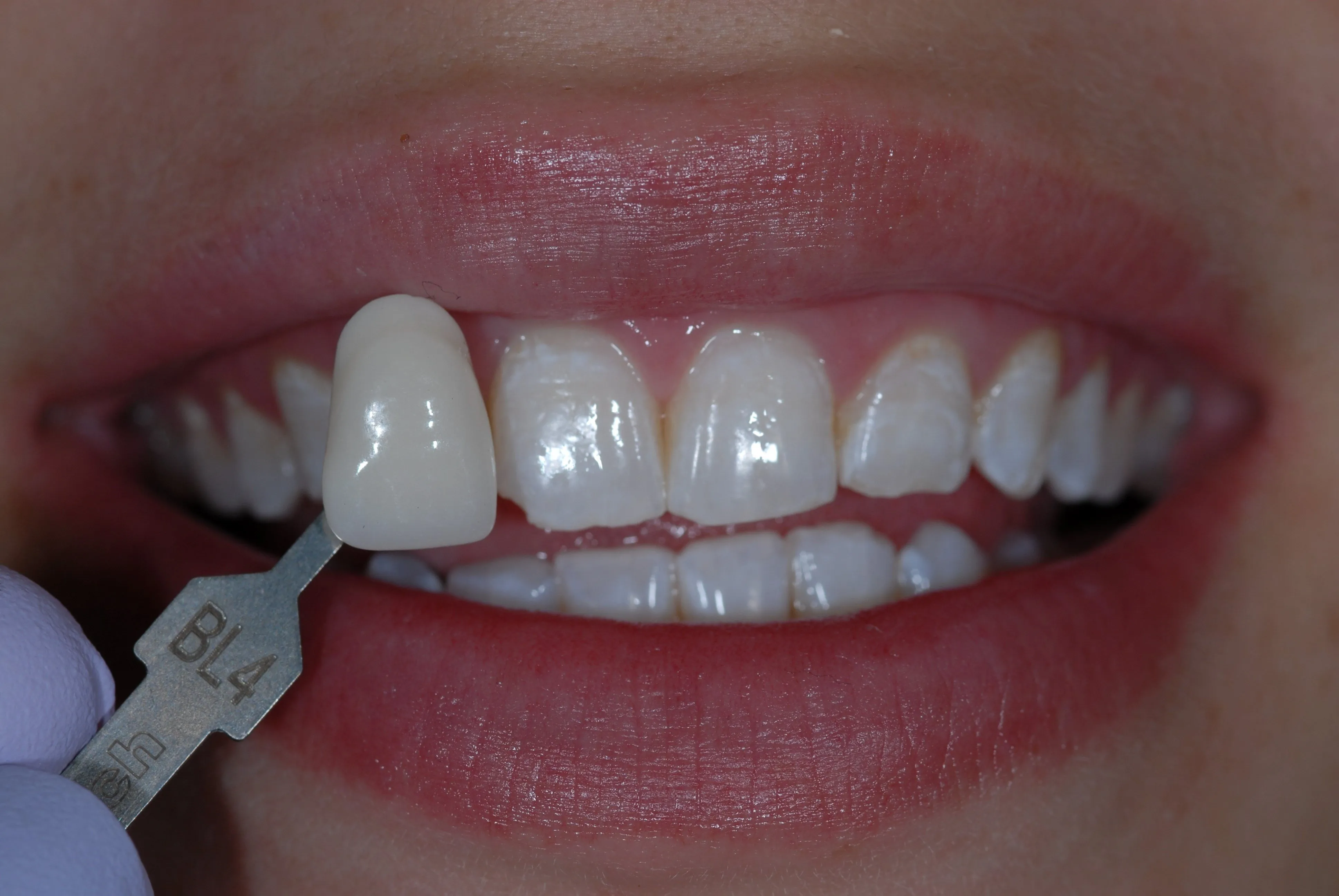
Understanding Pain After Zoom Teeth Whitening
Zoom teeth whitening is a popular cosmetic procedure designed to brighten your smile significantly. While it’s highly effective, many individuals experience some level of pain or discomfort after the treatment. This pain, often described as sensitivity or a dull ache, is a common side effect. Understanding the reasons behind this pain and knowing how to manage it can significantly improve your experience and ensure a comfortable recovery. The intensity and duration of the pain can vary widely, depending on individual factors such as tooth sensitivity and the overall health of your teeth and gums. Being prepared for potential discomfort and knowing what to expect can help you navigate the post-whitening period with ease and confidence.
Why Does Zoom Teeth Whitening Cause Pain
The pain associated with Zoom teeth whitening stems from several factors related to the procedure itself and individual tooth characteristics. The whitening process involves the use of a high-concentration hydrogen peroxide gel activated by a special light. This process can lead to temporary changes within the tooth structure, causing sensitivity and discomfort. Several factors contribute to the pain, ranging from direct effects on the teeth to potential irritation of the gums. Understanding these causes is crucial for effective management and reducing the likelihood of significant pain.
Tooth Sensitivity

Tooth sensitivity is the most prevalent cause of pain following Zoom teeth whitening. The whitening agents penetrate the enamel and dentin, the porous layers beneath the enamel, leading to temporary inflammation of the nerves within the teeth. This can cause sharp, shooting pains when exposed to cold, heat, or pressure. The degree of sensitivity varies from person to person, depending on factors such as the natural thickness of the enamel, the presence of any existing dental work, and the overall health of the teeth. The high concentration of the whitening agent used in Zoom treatments can exacerbate this sensitivity, making it a primary concern for many patients.
Gum Irritation
Another source of discomfort is gum irritation. During the Zoom whitening procedure, the gums can come into contact with the whitening gel, particularly if not properly protected. This can lead to inflammation, redness, and tenderness. In some cases, the gums may become swollen or even blister. Proper isolation of the gums is crucial during the procedure to minimize this risk. However, even with careful techniques, some level of gum irritation is possible. This discomfort is usually temporary and resolves within a few days with proper care.
Other Potential Causes
Beyond sensitivity and gum irritation, other factors can contribute to post-whitening pain. Pre-existing dental conditions, such as cavities, cracks, or gum disease, can intensify the discomfort. The whitening agents can penetrate these compromised areas, causing heightened sensitivity and pain. Individuals with a history of sensitive teeth or those who have undergone other dental procedures may be more prone to experiencing significant pain after Zoom whitening. Additionally, the pressure from the dental instruments or the prolonged exposure to the whitening light can, in some cases, contribute to discomfort. Always discuss your dental history with your dentist before the procedure.
Top 5 Facts About Pain After Zoom Teeth Whitening

Fact 1 Common Side Effect
Experiencing some level of pain or sensitivity is a common side effect of Zoom teeth whitening. It is important to remember that not everyone will experience the same level of discomfort. Some individuals may feel nothing at all, while others may experience sensitivity lasting a few days or a week. Understanding that pain is a normal part of the process can help alleviate anxiety and allow you to prepare accordingly. Being informed and having a plan for managing potential discomfort will contribute to a more positive experience.
Fact 2 Pain Duration
The duration of pain after Zoom teeth whitening typically varies. Most people experience peak sensitivity within the first 24 to 48 hours after the procedure. The discomfort often subsides within a few days to a week. However, in some cases, especially if the individual already has sensitive teeth, the sensitivity may last longer. Proper management, such as using desensitizing toothpaste and avoiding trigger foods, can help shorten the duration of the pain. If the pain is severe or persists for more than a week, it is essential to consult with your dentist.
Fact 3 Pain Intensity

The intensity of the pain can vary considerably. Some individuals experience mild sensitivity that they can easily manage, while others may experience more intense, throbbing pain. The level of sensitivity depends on factors like the concentration of the whitening agent used, the duration of the treatment, and your individual tooth structure. The use of a higher concentration of whitening gel may lead to more intense sensitivity. You can discuss your concerns about pain with your dentist to explore options to minimize discomfort during the procedure.
Fact 4 Individual Sensitivity
Individual tooth sensitivity plays a significant role in determining the level of pain experienced. Those with naturally thin enamel or pre-existing sensitivity issues may be more prone to discomfort. Factors like the presence of micro-cracks in the teeth, exposed root surfaces, or receding gums can increase the likelihood of sensitivity. Before the Zoom whitening procedure, discuss your sensitivity with your dentist to help them customize your treatment plan. They might suggest pre-treatment with fluoride or desensitizing toothpaste to reduce potential discomfort.
Fact 5 Management is Key
Effective pain management is crucial to a comfortable post-whitening experience. There are several strategies you can use to alleviate the pain. These include over-the-counter pain relievers, desensitizing toothpaste, and dietary adjustments. Following your dentist’s advice and being proactive in managing your pain can make a significant difference in your overall experience. Communication with your dentist and seeking professional guidance if needed are vital components of successful pain management after Zoom teeth whitening.
How to Manage Pain After Zoom Teeth Whitening

Managing pain after Zoom teeth whitening involves a combination of preventative measures and treatments to alleviate discomfort. Your dentist will likely provide specific recommendations. However, several general strategies can help reduce your pain levels and speed up your recovery. These methods primarily focus on reducing tooth sensitivity and minimizing potential irritants. Being prepared with these management techniques can greatly enhance your post-whitening experience. These are a collection of tried and tested methods that are often recommended to manage and minimize pain.
Over-the-Counter Pain Relievers
Over-the-counter pain relievers, such as ibuprofen (Advil, Motrin) or acetaminophen (Tylenol), can help manage the pain and inflammation associated with Zoom teeth whitening. Taking these medications as directed can provide relief from any discomfort. Always follow the dosage instructions on the product label and consult with your doctor or dentist if you have any concerns about potential side effects or interactions with other medications. Pain relievers are especially helpful in the initial 24 to 48 hours when sensitivity is likely at its peak. This approach can help you manage your pain.
Desensitizing Toothpaste
Desensitizing toothpaste, containing ingredients like potassium nitrate or stannous fluoride, can help reduce tooth sensitivity. These ingredients work by blocking the pathways to the tooth’s nerves, reducing pain signals. Begin using desensitizing toothpaste a week or two before your Zoom whitening treatment to build up protection. Continue using it after the procedure as directed by your dentist. Regular use can greatly reduce sensitivity. Apply a small amount directly to the sensitive areas, or gently brush your teeth twice daily to maximize its effectiveness. Consistent use is the key to long-term relief.
Dietary Adjustments

Making dietary adjustments can also help minimize pain after Zoom teeth whitening. Avoid foods and drinks that are extremely hot, cold, acidic, or sugary, as these can exacerbate sensitivity. Steer clear of coffee, tea, citrus fruits, and carbonated beverages. Opt for soft, bland foods. Drink plenty of water to stay hydrated. These measures help prevent further irritation of your teeth and gums. Avoid sticky foods, as they may adhere to the teeth and increase sensitivity. Eating a gentle diet will help reduce discomfort. Return to your regular diet gradually as your teeth become less sensitive.
Professional Advice
Always follow the specific advice and instructions provided by your dentist. They can recommend the best course of action based on your individual needs and sensitivity level. Your dentist may suggest using fluoride treatments, prescription-strength desensitizing toothpaste, or other methods to alleviate discomfort. They can also assess your teeth for any underlying issues that might be contributing to the pain. If the pain is severe or does not improve, contact your dentist. They can provide additional guidance or determine if further intervention is necessary. Your dentist can offer personalized advice.
When to Seek Professional Help
While some pain after Zoom teeth whitening is normal, certain situations warrant a visit to your dentist. If you experience severe, persistent pain that doesn’t improve with over-the-counter remedies, or if the pain is accompanied by swelling, bleeding, or other unusual symptoms, contact your dentist. These symptoms could indicate an underlying issue that needs professional attention. Additionally, if the sensitivity lasts longer than a week, it’s best to consult with your dentist. They can assess the situation and recommend appropriate treatment. Early intervention can prevent potential complications and ensure your oral health. Always prioritize your oral health.