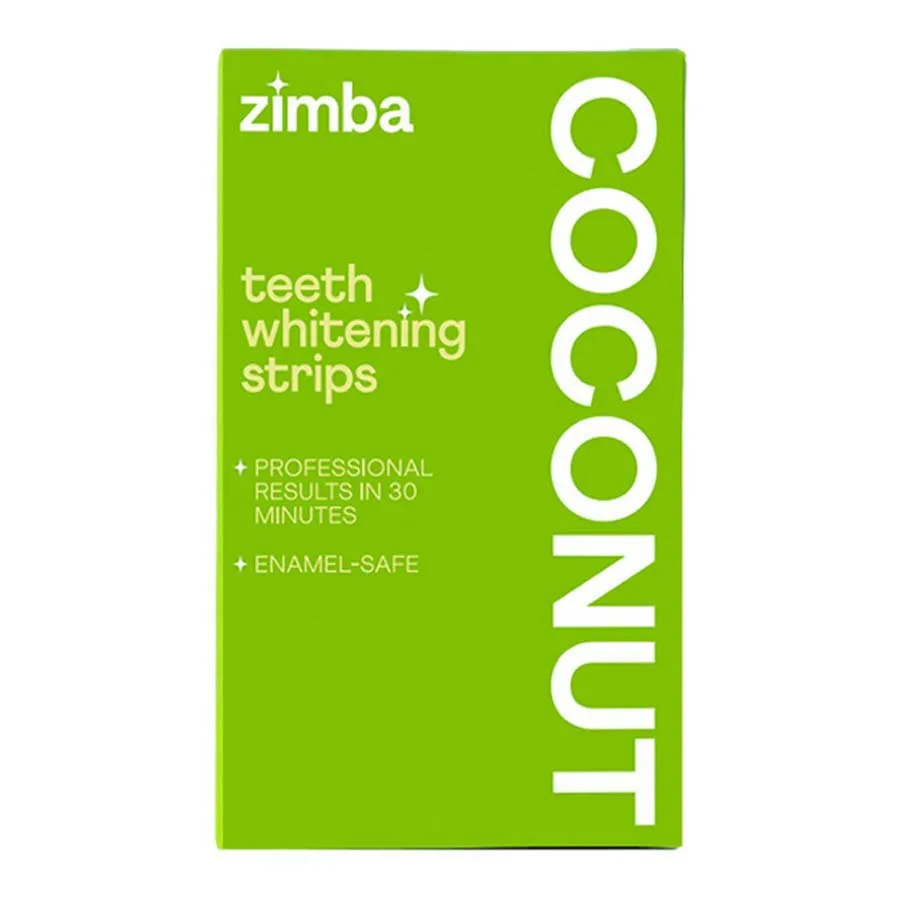
Understanding Zimba Whitening Strips
Zimba whitening strips have become a popular choice for people seeking a brighter smile. These strips offer a convenient and relatively inexpensive way to whiten teeth at home. They work by adhering to the surface of your teeth and delivering whitening agents directly to the enamel. But how effective are they, and more importantly, is it safe to use them twice a day? This article explores the use of Zimba strips, addressing their mechanism, potential benefits, risks, and best practices for achieving a whiter smile while maintaining oral health.
How Zimba Strips Work
Zimba whitening strips are designed to adhere to the surface of your teeth, allowing the active ingredients to penetrate the enamel and break down stains and discoloration. The strips typically contain a gel with a whitening agent, often hydrogen peroxide or carbamide peroxide. When the strip comes into contact with your teeth, these chemicals release oxygen molecules. These oxygen molecules then react with the stain molecules, breaking them down and lightening the overall color of your teeth. The duration and frequency of use, as well as the concentration of the active ingredient, influence the effectiveness of the whitening process. Proper application and consistent use are essential to achieve desired results, but it’s also crucial to consider the potential risks and adhere to recommended guidelines.
The Active Ingredients

The effectiveness of Zimba strips lies in their active ingredients. Hydrogen peroxide and carbamide peroxide are the most common. Hydrogen peroxide is a strong oxidizing agent, directly bleaching the teeth. Carbamide peroxide breaks down into hydrogen peroxide, providing a slower, sustained release. The concentration of these ingredients varies between products; higher concentrations often lead to faster results but can also increase the risk of sensitivity. Understanding the active ingredients in Zimba strips helps consumers make informed decisions. Always check the product label for the concentration of the active ingredient, and follow the manufacturer’s instructions for safe and effective use. If you have any concerns, consulting a dentist is always recommended.
Twice-Daily Use The Official Recommendation
Whether it’s safe to use Zimba strips twice a day depends heavily on the specific product and individual circumstances. While some products might explicitly state it is safe, most brands recommend using their strips only once daily. It’s essential to carefully read and follow the manufacturer’s instructions on the product packaging. Exceeding the recommended usage can increase the risk of side effects, such as increased tooth sensitivity and gum irritation. If you are considering using the strips twice a day, you should consult a dentist, as they can evaluate your oral health and determine the safety of such usage for your specific case. Furthermore, it is important to understand the reasons behind these recommendations and how they can impact the effectiveness and safety of the whitening process.
Potential Benefits of Using Zimba Strips Twice a Day
While not generally recommended, using Zimba strips twice a day, if the product allows and under the guidance of a dentist, might offer some perceived benefits. The primary advantage, if any, would be the potential for quicker whitening results. Increased frequency of exposure to the whitening agent could, in theory, accelerate the breakdown of stains and lead to a brighter smile in a shorter period. However, it is very important to note that the benefits must always be carefully weighed against the potential risks, because they can outweigh the benefits if done without proper consideration and professional advice. Always consider that individual responses to teeth whitening treatments vary, and what works for one person may not work for another.
Enhanced Whitening Results

Some individuals might experience enhanced whitening results by using Zimba strips twice daily, provided the product allows and the dentist agrees. The increased frequency of exposure to the whitening agent could lead to a more pronounced reduction of stains and discoloration on the teeth’s surface. The cumulative effect of two applications per day could potentially break down stain molecules more rapidly, contributing to a visibly whiter smile. However, this benefit is not guaranteed, and the increased potential for side effects means that the potential benefits must be carefully balanced with the risks. The sensitivity of your teeth, overall oral health, and the specific formulation of the Zimba strips should all be considered before attempting twice-daily use.
Faster Results
Theoretically, using Zimba strips twice a day could lead to faster results in achieving your desired level of whiteness. The accelerated exposure to the whitening agents might cause the teeth to become lighter more quickly than with once-daily use. This could be appealing to those who want to see a noticeable difference in their smile sooner rather than later. However, it’s crucial to remember that faster results do not necessarily equate to better results, and the increased risk of side effects, such as tooth sensitivity and gum irritation, must be carefully considered. Consult with a dentist before using Zimba strips more frequently than recommended.
Potential Risks and Side Effects
Using Zimba strips twice a day increases the risk of several side effects, and the risks often outweigh any potential benefits. The heightened exposure to the whitening agents can lead to a variety of oral health issues, so it’s important to be aware of these potential risks before considering using Zimba strips more frequently than recommended. The most common side effects include increased tooth and gum sensitivity. Always consult a dentist to discuss the potential risks and ensure that twice-daily use is suitable for your oral health.
Gum Sensitivity

Gum sensitivity is a common side effect of using Zimba strips, and this risk is significantly amplified by twice-daily use. The whitening agents can irritate the soft tissues of the gums, leading to inflammation, redness, and discomfort. This irritation can be more pronounced if the strips come into direct contact with the gums or if they are used too frequently. People with pre-existing gum issues, such as gingivitis or periodontitis, are at a particularly high risk of experiencing this side effect. If you notice any signs of gum sensitivity, it’s essential to stop using the strips and consult with a dentist.
Tooth Sensitivity
Tooth sensitivity is another common side effect associated with the use of Zimba strips, and it can be significantly intensified when used twice a day. The whitening agents in the strips can penetrate the enamel and reach the dentin, which contains nerve endings. This can cause a heightened sensitivity to hot, cold, sweet, or sour foods and drinks. For those with already sensitive teeth, this discomfort can be especially pronounced. If you experience increased tooth sensitivity, reduce the frequency of use or stop using the strips altogether and consult a dentist. Using desensitizing toothpaste can sometimes help to mitigate this issue, but it is best to talk to a dentist.
Enamel Erosion
Overuse of Zimba whitening strips, especially twice daily, can potentially lead to enamel erosion. The whitening agents can weaken the enamel over time, making the teeth more vulnerable to damage and decay. Enamel erosion also makes the teeth appear translucent and more prone to staining. The risk is higher with more frequent use and higher concentrations of the whitening agent. It’s essential to follow the manufacturer’s instructions and consult a dentist to assess your enamel health and discuss appropriate use of whitening strips.
Proper Application Technique

Correct application is crucial for both the effectiveness and safety of using Zimba whitening strips. Improper application can lead to uneven whitening, increased sensitivity, and other potential side effects. Always read the product instructions carefully before using the strips. It is crucial to prepare your teeth before applying the strips and to ensure correct placement. You must follow all instructions to minimize the risk of side effects and to achieve the best possible results. Consistent and proper technique is key to a brighter smile while minimizing potential risks.
Step-by-step guide
Before applying Zimba strips, brush and floss your teeth thoroughly to remove any food particles and plaque. Avoid brushing immediately before applying the strips, as this can irritate the gums. Ensure your teeth are dry before applying the strips. Gently peel the strip from its backing and apply the gel side to your teeth, aligning it with your gum line. Press the strip gently onto your teeth to ensure it adheres properly. Fold the excess strip behind your teeth to secure it in place. Leave the strips on for the recommended time as instructed by the manufacturer. After removing the strips, discard them and rinse your mouth with water. Avoid eating or drinking for at least 30 minutes after applying the strips. This allows the whitening agents to work without being disturbed. Following these steps ensures that you apply the strips correctly, minimizing the risks and optimizing the results.
Important Considerations and Alternatives
Before using Zimba strips twice a day, there are some important considerations to keep in mind, and also some alternative methods to whiten your teeth. Consulting a dentist is the most crucial step, as they can assess your oral health and provide personalized advice. Additionally, exploring other whitening options can help you find the most effective and safest solution for your needs. Understanding these considerations and alternatives allows you to make informed decisions about your teeth-whitening journey.
Consulting a Dentist

Before considering any teeth-whitening treatment, especially using Zimba strips twice a day, consulting a dentist is essential. A dentist can assess your oral health and determine if whitening is appropriate for you. They will examine your teeth for existing dental work, such as fillings or crowns, which do not whiten in the same way as natural teeth. The dentist can also identify any potential risks, such as gum disease or tooth sensitivity, and recommend the safest approach for your individual needs. Professional dental advice ensures your smile makeover is both effective and safe. Your dentist may offer in-office whitening treatments or provide guidance on the most suitable at-home whitening methods. Never take it upon yourself to double the dose without your dentist’s advice.
Alternatives to Twice-Daily Use
If you’re seeking a brighter smile but are concerned about the risks associated with using Zimba strips twice a day, several alternatives are available. Your dentist can suggest options like professional in-office whitening treatments, which offer immediate results under controlled conditions. They may also recommend custom-fitted whitening trays with a lower concentration of whitening agent for use at home, offering a safer alternative to more frequent strip use. Other options include whitening toothpastes, which can remove surface stains, and over-the-counter whitening gels. Always consult your dentist before starting any whitening treatment to ensure it’s suitable for your oral health and to discuss the best approach for achieving your desired results.
Conclusion
While Zimba whitening strips offer a convenient way to whiten your teeth, the question of whether to use them twice a day comes with significant considerations. Though the prospect of faster results may be appealing, the potential risks, including increased sensitivity, gum irritation, and enamel erosion, often outweigh the benefits. Always read and follow the manufacturer’s instructions and, most importantly, consult your dentist before changing the recommended usage. Your dentist can evaluate your oral health, address any concerns, and guide you toward the safest and most effective teeth-whitening strategy for your specific needs. Prioritizing your oral health and seeking professional advice is key to achieving a brighter, healthier smile.