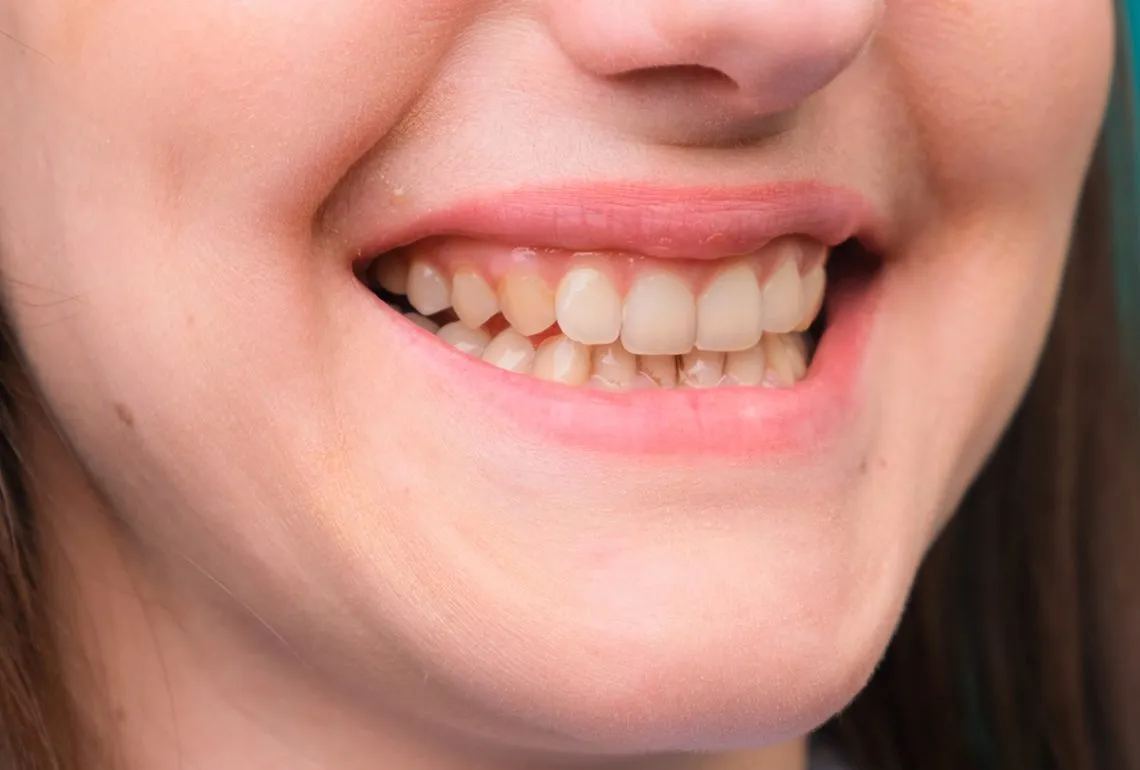
Understanding Yellow Teeth and Their Causes
Having a bright, white smile can significantly boost your confidence. However, many people struggle with yellowing teeth, which can be caused by a variety of factors. Understanding these causes is the first step in addressing the issue and finding effective whitening solutions. This article explores the primary reasons behind yellow teeth and offers natural methods to restore your pearly whites.
Common Causes of Yellowing
Several factors contribute to the discoloration of teeth. These causes can range from lifestyle choices to natural processes. Being aware of these factors can help you take preventative measures and make informed decisions about your oral hygiene. The following are some of the most prevalent causes of yellowing teeth, allowing you to address the root cause of the problem.
Dietary Choices

What you eat and drink plays a significant role in the color of your teeth. Certain foods and beverages contain pigments that can stain the enamel over time. Coffee, tea, red wine, and dark-colored berries are common culprits. The tannins in tea and wine, for instance, make it easier for stains to adhere to the teeth. Frequent consumption of these items can lead to noticeable yellowing.
Poor Oral Hygiene
Inadequate oral hygiene is a major contributor to yellow teeth. When plaque and tartar build up on the teeth, they can cause the enamel to erode, revealing the yellowish dentin underneath. Failing to brush and floss regularly allows these substances to accumulate, increasing the likelihood of discoloration and other dental problems. A consistent oral hygiene routine is vital for maintaining a white and healthy smile.
Ageing
As we age, the enamel on our teeth naturally wears down. This erosion exposes more of the yellowish dentin, the layer beneath the enamel. Furthermore, changes in the structure of the teeth can make them appear darker over time. This is a natural process, but it can be accelerated by other factors such as diet and lifestyle choices. Regular dental check-ups are critical in managing age-related dental changes.
Smoking and Tobacco Use

Smoking and the use of tobacco products are notorious for staining teeth. The nicotine and tar in these products leave behind yellowish stains that can be very difficult to remove. These substances not only discolor the teeth but also contribute to other oral health issues, such as gum disease and an increased risk of oral cancer. Quitting smoking is one of the best things you can do for your oral and overall health.
Natural Methods for Teeth Whitening
Fortunately, there are several natural methods you can employ to whiten your teeth and get a sparkling smile. These methods often use readily available ingredients and are gentler on the enamel than harsh chemical treatments. They also support overall oral health. Let’s explore some of the most effective and popular natural teeth-whitening techniques.
Oil Pulling
Oil pulling is an ancient Ayurvedic practice that involves swishing oil in your mouth to remove bacteria and toxins. It is believed to help whiten teeth, improve gum health, and freshen breath. While more research is needed, many people report positive results from this simple, natural method.
How to Perform Oil Pulling

To perform oil pulling, take a tablespoon of oil (usually coconut oil) and swish it around your mouth for 15-20 minutes. Make sure the oil reaches all parts of your mouth. After swishing, spit the oil into the trash (not down the sink, as it can clog pipes) and rinse your mouth with water. Brush your teeth as usual after oil pulling.
Benefits of Oil Pulling
Besides potentially whitening teeth, oil pulling can help reduce plaque and gingivitis, improve breath, and boost overall oral health. Coconut oil, in particular, has antibacterial properties that help kill bacteria in the mouth. The practice also helps in moisturizing the gums and preventing dryness.
Baking Soda and Hydrogen Peroxide
Baking soda and hydrogen peroxide are common household items with teeth-whitening properties. They are often used together to create a mild abrasive and bleaching agent. However, it is important to use these substances with caution to avoid damaging the enamel.
Using Baking Soda for Whitening

Baking soda is a mild abrasive that can help remove surface stains. You can make a paste by mixing baking soda with water. Gently brush your teeth with this paste for about two minutes, once or twice a week. Avoid excessive use to prevent enamel erosion.
Hydrogen Peroxide Application
Hydrogen peroxide is a mild bleaching agent. You can use it as a mouthwash (3% solution) or mix it with baking soda to create a whitening paste. When used as a mouthwash, swish it in your mouth for about a minute, then rinse with water. Avoid swallowing it. Make sure to use it occasionally as overuse can cause sensitivity.
Dietary Adjustments for a Brighter Smile
Your diet significantly impacts the color of your teeth. Making smart food choices can help prevent stains and promote a naturally whiter smile. By incorporating teeth-friendly foods and avoiding those that cause discoloration, you can maintain a brighter smile and improve your overall oral health.
Foods to Include

Certain foods act as natural teeth cleaners. Crunchy fruits and vegetables, such as apples, carrots, and celery, help scrub away plaque and stimulate saliva production, which neutralizes acids and protects teeth. Dairy products, like cheese and yogurt, are rich in calcium and help strengthen the enamel. Water is also crucial; it helps rinse away food particles and prevents staining.
Foods to Avoid
Foods and drinks that stain teeth include coffee, tea, red wine, and dark-colored berries. These contain strong pigments that can adhere to the enamel. Acidic foods, such as citrus fruits, can erode the enamel, making the teeth more susceptible to staining. Limiting your intake of these foods and rinsing your mouth with water after consumption can help minimize their effects.
Maintaining Oral Hygiene for Lasting Results
Consistent oral hygiene practices are essential for maintaining a bright, healthy smile. Proper brushing, flossing, and regular dental check-ups are the cornerstones of good oral health. Implementing these habits helps remove stains, prevent plaque buildup, and ensure the longevity of your teeth-whitening efforts.
Proper Brushing Techniques

Brush your teeth at least twice a day for two minutes each time. Use a soft-bristled toothbrush and apply gentle, circular motions to clean all surfaces of your teeth. Make sure to reach the back teeth. Replace your toothbrush every three months or sooner if the bristles become frayed. This ensures effective cleaning.
Flossing Regularly
Flossing removes plaque and food particles from areas that your toothbrush cannot reach, such as between teeth. Floss at least once a day, using a gentle sawing motion to clean the sides of each tooth. Flossing helps prevent plaque buildup, which can lead to staining and other oral health problems.
Regular Dental Check-ups
Visit your dentist for check-ups and cleanings at least twice a year. Professional cleanings remove plaque and tartar, and help prevent staining. Your dentist can also identify and address any underlying dental issues that might be contributing to tooth discoloration. Regular check-ups are essential for maintaining optimal oral health.
Conclusion
Achieving a sparkling smile from yellow teeth is possible through a combination of understanding the causes, adopting natural whitening methods, making dietary adjustments, and maintaining consistent oral hygiene. While natural methods may take longer than professional treatments, they are often gentler and more sustainable in the long run. By following these tips and being patient, you can achieve a brighter, healthier smile naturally. Remember to consult your dentist for personalized advice and any specific concerns.