Understanding Whitening Trays
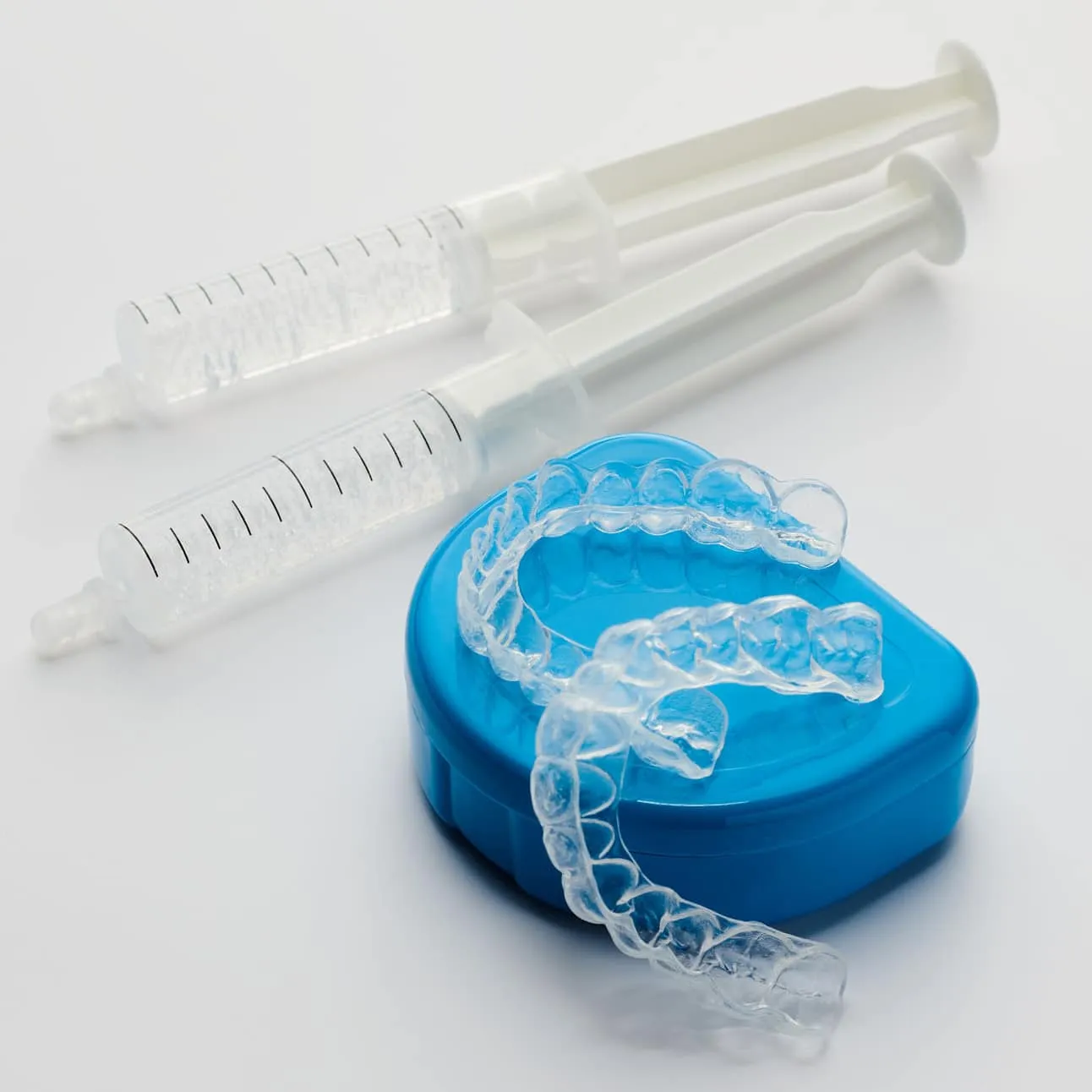
Whitening trays are a popular and effective method for achieving a brighter, whiter smile. These trays are designed to hold a bleaching agent, typically a hydrogen peroxide or carbamide peroxide solution, in close contact with your teeth. The bleaching agent penetrates the enamel, breaking down the stains and discoloration that have accumulated over time. The effectiveness of whitening trays, however, depends on several factors, including the type of tray, the concentration of the bleaching agent, and the duration of use. It is very important to understand the different types available and how to use them properly to achieve the best results while minimizing potential risks. This article will guide you through the essentials of whitening trays, from understanding their different types to providing you with key tips for safe and effective usage.
Types of Whitening Trays Available
There are two primary types of whitening trays available custom and over-the-counter (OTC) trays. Each type has its own set of advantages and disadvantages, and the best choice for you will depend on your specific needs and preferences. Custom trays are made by a dentist based on impressions of your teeth. This ensures a perfect fit, which can lead to more even whitening and reduce the risk of the bleaching agent leaking onto your gums. Because they are custom-made, these trays typically offer a more comfortable and effective whitening experience. In contrast, over-the-counter trays are pre-made and designed to fit a variety of mouths. They are readily available at drugstores and online, making them a convenient option for those seeking a quick and affordable solution.
Custom Whitening Trays

Custom whitening trays offer several advantages over OTC options. Firstly, they are precisely molded to fit your teeth, ensuring even coverage of the bleaching agent and minimizing the risk of gum irritation. This precise fit also helps to prevent the bleaching agent from leaking and causing uneven whitening. The custom trays are typically prescribed by a dentist, allowing for professional guidance on the appropriate concentration of the bleaching agent and the duration of treatment. This personalized approach often leads to more effective and predictable results. Moreover, custom trays are generally more comfortable to wear for extended periods. However, the initial cost of custom trays is higher than OTC options due to the need for dental appointments and the creation of a custom mold. This investment often pays off in the long run with superior results and reduced potential for side effects.
Over-the-Counter Whitening Trays
Over-the-counter (OTC) whitening trays provide a convenient and affordable option for teeth whitening. OTC trays are pre-made and come in various sizes to accommodate different mouth shapes. They are readily available in drugstores and online, eliminating the need for a dental appointment. However, OTC trays often lack the precision fit of custom trays, which can lead to uneven whitening and increased risk of gum irritation. Furthermore, the bleaching agents used in OTC trays typically have lower concentrations of hydrogen peroxide or carbamide peroxide, which may result in less dramatic whitening results compared to professional treatments. While OTC trays can be a viable option for those seeking a subtle improvement in their smile, it is crucial to carefully follow the product instructions and be aware of potential limitations. Always consult with a dentist if you experience persistent sensitivity or any other adverse effects.
How Often to Use Whitening Trays? Top 5 Tips
The frequency of whitening tray use is a critical factor in achieving optimal results while minimizing the risk of side effects. Overuse can lead to increased tooth sensitivity and gum irritation, whereas underuse may result in unsatisfactory whitening. The appropriate frequency depends on several factors, including the type of tray, the concentration of the bleaching agent, and your individual dental health. It’s essential to adhere to the instructions provided by your dentist or the product manufacturer. The following five tips will provide you with a comprehensive guide on how often and how to use whitening trays effectively.
Tip 1 Follow Dentist’s Instructions

When using custom whitening trays, it is crucial to follow the dentist’s instructions meticulously. Your dentist will assess your dental health, determine the appropriate concentration of the bleaching agent, and recommend the ideal frequency and duration of use. They will also monitor your progress and address any concerns or side effects that may arise. Adhering to the dentist’s instructions ensures that you receive the safest and most effective treatment. This includes wearing the trays for the prescribed amount of time each day, typically ranging from 30 minutes to several hours, or overnight, depending on the specific product and your dentist’s recommendation. Ignoring these instructions can lead to undesirable outcomes, such as uneven whitening, increased sensitivity, or gum irritation. Regular check-ups with your dentist also allow for professional monitoring of your progress and any potential issues.
Tip 2 Consider the Whitening Agent
The type and concentration of the bleaching agent significantly influence how often you should use whitening trays. The most common bleaching agents are hydrogen peroxide and carbamide peroxide. Hydrogen peroxide is a stronger agent and typically yields faster results, while carbamide peroxide breaks down into hydrogen peroxide over time. Higher concentrations of these agents may require shorter treatment times and less frequent use. Conversely, lower concentrations might necessitate more frequent application, but with a reduced risk of sensitivity. Always consult the product instructions or your dentist to understand the recommended usage frequency for the specific whitening agent you are using. Be cautious when using products with high concentrations, and be prepared to adjust your usage based on your teeth’s response and any sensitivity you experience. Remember, that more is not always better and overuse can lead to complications.
Tip 3 Monitor Tooth Sensitivity
Tooth sensitivity is a common side effect of teeth whitening, and it is an important factor in determining how often you can use whitening trays. Pay close attention to your teeth’s response to the treatment. If you experience increased sensitivity, such as sharp pain when consuming hot or cold foods and beverages, it might be necessary to reduce the frequency of use or the duration of each session. You can also try using a toothpaste designed for sensitive teeth, which can help to alleviate the discomfort. Consult your dentist immediately if the sensitivity persists or worsens. They might suggest adjusting the treatment plan, such as using a lower concentration of the bleaching agent or taking breaks between treatments to allow your teeth to recover. Ignoring tooth sensitivity can potentially cause more severe issues and can make the experience quite unpleasant.
Tip 4 Avoid Overuse
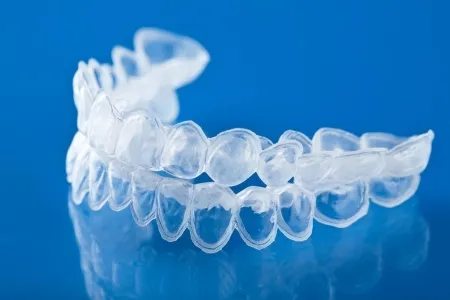
Overuse of whitening trays can lead to several adverse effects, including increased tooth sensitivity, gum irritation, and, in severe cases, damage to the tooth enamel. It is essential to adhere to the recommended usage frequency and duration provided by your dentist or the product manufacturer. Do not exceed the recommended treatment period, as this will not necessarily result in significantly whiter teeth and may increase the risk of side effects. If you achieve your desired level of whiteness before the end of the recommended treatment period, discontinue use and consult with your dentist. They can advise you on maintenance strategies to preserve your results without overusing the whitening trays. Regular check-ups will also help you to monitor your oral health and address any potential problems that may arise.
Tip 5 Maintain a Consistent Routine
Consistency is key to achieving and maintaining a brighter smile with whitening trays. Follow your dentist’s or product instructions to create a regular schedule for using the trays. This might involve using the trays for a set period each day or several times a week, depending on the product and your desired outcome. It is equally important to maintain a consistent oral hygiene routine to complement your whitening treatment. Brush your teeth twice a day with fluoride toothpaste and floss daily to remove plaque and food particles. Avoid consuming excessive amounts of staining foods and drinks, such as coffee, tea, red wine, and berries, especially during the whitening process. Regular dental check-ups and professional cleanings will further support your efforts to maintain a bright and healthy smile. Establishing and adhering to a consistent routine ensures that you maximize the effectiveness of your whitening treatment and enjoy long-lasting results.
Potential Risks and Side Effects
While whitening trays are generally safe, they are not without potential risks and side effects. It is essential to be aware of these potential issues and to take appropriate precautions to minimize their impact. Common side effects include tooth sensitivity and gum irritation, and in rare cases, more serious complications may arise. Being informed and proactive can help you mitigate the risks and ensure a comfortable and effective whitening experience.
Teeth Sensitivity and Irritation

Tooth sensitivity is one of the most common side effects of teeth whitening. It occurs when the bleaching agent penetrates the enamel and irritates the nerves within the teeth. This can result in sharp pain or discomfort when consuming hot or cold foods and drinks. Gum irritation, characterized by redness, swelling, and tenderness, can occur if the bleaching agent comes into contact with the gums. This is more common with custom trays that do not fit properly or with overuse. To manage these side effects, reduce the frequency or duration of whitening treatments, use a toothpaste designed for sensitive teeth, and ensure the whitening trays fit correctly. If the symptoms persist or worsen, consult your dentist. They can provide additional guidance and potentially recommend alternative treatment strategies.
Gum Irritation
Gum irritation is another potential side effect, often occurring if the whitening agent leaks from the tray or comes into direct contact with gum tissue. This can cause redness, swelling, and discomfort. To avoid this, ensure that custom trays fit snugly and that you are not overfilling them with the bleaching agent. Over-the-counter trays may not fit as well and can increase the risk of leakage. Make sure to wipe away any excess gel that may have leaked. If gum irritation occurs, rinse your mouth thoroughly with water and discontinue use until the irritation subsides. You might consider using a desensitizing toothpaste or consult with your dentist for professional advice. The correct fit of the trays and adherence to proper usage protocols are crucial to minimize the risk of gum irritation.
Other Considerations
In addition to the usage frequency and potential side effects, several other factors can affect the effectiveness and safety of whitening trays. These include your overall oral health, any existing dental work, and certain lifestyle choices. It’s important to take these factors into account when considering teeth whitening to ensure you achieve the best possible results and protect your oral health.
Maintaining Your Results

Once you achieve your desired level of whiteness, it is essential to take steps to maintain your results. This involves a combination of good oral hygiene practices and lifestyle choices. Regular check-ups with your dentist, and occasional touch-up treatments can also help to keep your smile bright for an extended period. These steps will not only preserve your white teeth but also maintain your overall oral health.
Oral Hygiene
Maintaining excellent oral hygiene is fundamental to preserving your whitening results. Brush your teeth twice a day with fluoride toothpaste to remove plaque and food debris. Floss daily to clean between your teeth, where a toothbrush cannot reach. Consider using an antimicrobial mouthwash to further reduce bacteria and freshen your breath. Regular professional cleanings by a dental hygienist are also essential for removing any stubborn stains or plaque that cannot be addressed at home. Proper oral hygiene not only keeps your teeth white, but also promotes overall oral health, preventing cavities and gum disease.
Regular Dental Checkups
Regular dental checkups play a vital role in both maintaining your whitening results and ensuring your overall oral health. Your dentist can assess your teeth for any signs of staining, decay, or other issues that may affect the appearance of your smile. They can also provide professional cleaning to remove any surface stains and polish your teeth, enhancing their brightness. During checkups, your dentist can also advise you on the best ways to maintain your white smile and address any concerns or questions you may have. By combining good oral hygiene practices with regular dental checkups, you can enjoy a bright and healthy smile for years to come. It also helps to catch any potential problems early, preventing them from becoming more severe and costly.