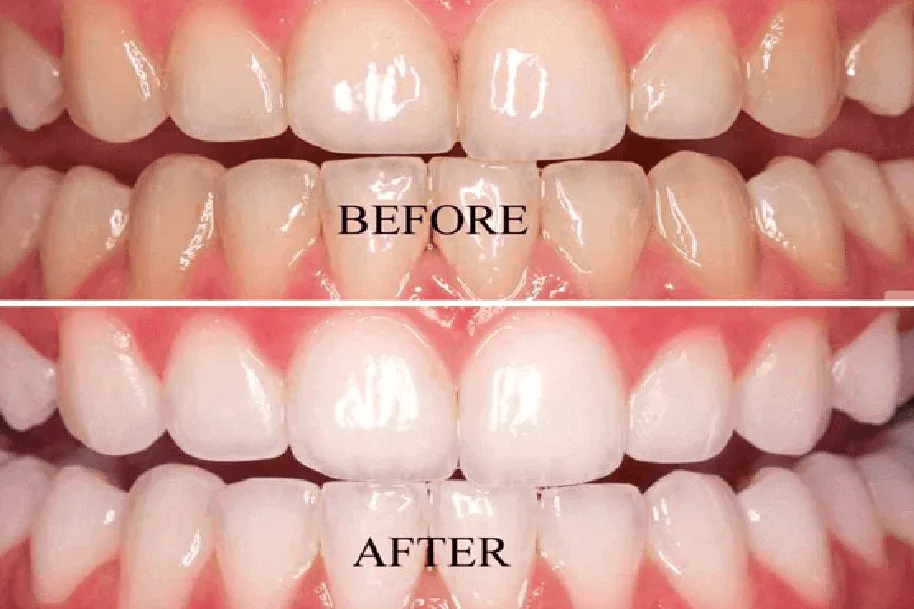
The Impact of Brushing on Whitening Strips
Using whitening strips is a popular method to achieve a brighter smile, but many users are unaware of how their daily oral hygiene routine, specifically brushing their teeth, can impact the effectiveness of these strips. Understanding this relationship is crucial to maximize the results and avoid common pitfalls that can diminish the whitening effect. This article dives deep into the relationship between brushing and whitening strips, providing insights and actionable advice to optimize your teeth whitening journey. We will explore the optimal timing for using the strips, the effect of toothpaste, and the best practices to follow for a dazzling, white smile. Proper usage not only enhances the aesthetic outcome but also helps maintain the health of your teeth and gums.
Why Timing Matters
The timing of when you brush your teeth in relation to using whitening strips can significantly influence the efficacy of the treatment. Brushing immediately before applying the strips might seem logical, but it could actually reduce their effectiveness. Similarly, brushing immediately after could also have negative consequences. The key is to find the right balance, allowing the active ingredients in the strips to work without interference from toothpaste or other oral hygiene products. Timing is not just about when, but also about what you do immediately before and after applying the strips, as these choices can have a big impact on your results.
Effect of Toothpaste

Toothpaste plays a critical role in the brushing process, but its composition can interfere with the whitening action of the strips. Most toothpastes contain detergents, abrasives, and other ingredients designed to clean and polish the teeth. While these are beneficial for oral hygiene, they can create a barrier on the enamel that prevents the whitening agents in the strips from properly adhering and penetrating the tooth surface. This barrier can significantly reduce the whitening effect. Furthermore, some toothpastes contain ingredients that could potentially interact negatively with the whitening agents, thus, diminishing their efficacy.
Brushing and the Whitening Process
The brushing process itself can affect how well whitening strips work. Vigorous brushing, especially with abrasive toothpastes, can wear down the enamel, making teeth more sensitive and potentially less receptive to whitening agents. Gentle brushing techniques are preferable, both before and after using whitening strips. It is imperative to avoid brushing too hard or using a toothpaste that is too abrasive, because it can impact not only the whitening results but also the overall health of your teeth. Remember that the goal is not just to remove surface stains but also to maintain the integrity of the enamel to promote long-lasting whiteness and dental health.
How Brushing Affects Whitening
Brushing affects whitening by creating a film on your teeth, especially immediately after brushing. The fluoride and other ingredients in toothpaste can interfere with the whitening agents in strips, reducing their ability to effectively penetrate the enamel. This interference can lead to less dramatic results. Brushing also removes the plaque and debris that can trap the whitening agent, but the timing is key. Brushing too close to strip application reduces effectiveness, while brushing too soon after can remove the whitening agents before they have fully worked.
The Science Behind It

The science behind how whitening strips work involves the oxidation of stain molecules within the enamel. The active ingredient, typically hydrogen peroxide or carbamide peroxide, breaks down these stain molecules, leading to a brighter appearance. However, the presence of toothpaste residue can act as a barrier, preventing the peroxide from effectively reaching and breaking down these molecules. This interference explains why the timing of brushing is critical to the success of the whitening process. Understanding these scientific principles allows you to make informed decisions about your oral care routine.
Optimal Timing for Whitening Strips
Achieving the best results with whitening strips depends on the timing of your brushing routine. It’s crucial to ensure that there’s no interference from toothpaste or other oral products. This section provides specific guidelines on when to brush your teeth in relation to using whitening strips to maximize their effectiveness and achieve a brilliant smile.
Before Brushing
Ideally, you should brush your teeth before applying whitening strips, but the timing is essential. It’s best to brush approximately 30 to 60 minutes before applying the strips. This allows any toothpaste residue to dissipate, minimizing the potential for interference. Make sure to rinse your mouth thoroughly with water after brushing to remove any remaining toothpaste. For those who prefer to brush immediately before applying the strips, a fluoride-free toothpaste option may be considered. The goal is to create a clean surface for the whitening agents to work effectively.
After Brushing

Brushing your teeth immediately after removing whitening strips is generally not recommended. The enamel is temporarily more porous, which can make your teeth more susceptible to staining from food and drinks. It is best to wait for at least 30 minutes to an hour after removing the strips before brushing. This allows the enamel to re-mineralize and become less vulnerable to staining. If you feel the need to brush, simply rinse your mouth with water and wait until the recommended time has passed before brushing with toothpaste.
Immediate After Brushing
Brushing directly after removing the strips can also lead to increased tooth sensitivity, as the whitening process temporarily alters the enamel structure. The abrasive action of brushing with toothpaste can exacerbate this sensitivity. For these reasons, it is always preferable to wait before resuming your regular brushing routine after using whitening strips. This delay helps to preserve your enamel and minimize any discomfort or sensitivity.
Waiting Period After Brushing
Allowing a waiting period after removing the strips and before brushing provides the best results. This period allows the enamel to stabilize and minimizes the chances of staining or sensitivity. It’s a small change in your routine that can significantly impact your teeth whitening experience. Sticking to this waiting period will significantly improve the overall results of your whitening strips.
Maximizing Results

Beyond the timing of brushing, several other factors influence the efficacy of whitening strips. Adhering to best practices not only ensures optimal results but also protects your teeth and gums. Understanding these elements will help you to maximize the impact of your whitening efforts and achieve a beautiful, healthy smile. This section will discuss how to use the strips correctly, avoid staining foods and drinks, and maintain good oral hygiene.
Proper Application
The correct application of whitening strips is crucial for success. Ensure your teeth are dry before applying the strips; moisture can reduce adhesion. Apply the strips carefully, following the product instructions, making sure that they are properly aligned and in contact with all surfaces of your teeth. It’s important to avoid touching the gums, as the whitening agents can cause irritation. Gently pressing the strips ensures a good fit. Consistently following these steps will make a difference in achieving your desired results.
Avoiding Staining Foods and Drinks
During and immediately after the whitening process, your teeth are more susceptible to staining. It’s vital to avoid foods and drinks that can stain your teeth, such as coffee, tea, red wine, berries, and dark sauces. Using a straw for beverages can help minimize contact with your teeth. The temporary porous nature of the enamel makes it easier for these substances to penetrate and stain the teeth. Choosing to avoid staining foods and drinks will safeguard the whiteness of your teeth and boost your results.
Maintaining Oral Hygiene

Maintaining excellent oral hygiene practices is essential for long-lasting results. Continue to brush your teeth at least twice a day, but remember the timing considerations. Regular flossing helps remove plaque and debris, and using mouthwash can further aid in keeping your mouth clean. Regular dental check-ups are also important. These habits will ensure your teeth stay bright and healthy. Following these hygiene steps will help enhance and maintain your beautiful white smile.
Choosing the Right Whitening Strips
The market offers a variety of whitening strips, each with unique features and formulations. Selecting the right product for your needs is essential to achieve optimal results. Several factors will affect your choice, including your current oral health, sensitivity levels, and desired outcome. The following information will help you navigate the options available, ensuring you choose a product that aligns with your individual requirements.
Ingredients to Look For
The active ingredient in most whitening strips is hydrogen peroxide or carbamide peroxide. Look for strips with a concentration appropriate for your sensitivity level; higher concentrations typically offer faster results but may increase sensitivity. Other ingredients, such as glycerin and sodium hydroxide, act as stabilizers and ensure even application. Choosing the right formulation and understanding the ingredients will maximize your results and reduce the risk of adverse reactions. These ingredients are responsible for the teeth-whitening effect.
Things to Avoid

Avoid products with high levels of abrasives, which can erode enamel. Be wary of strips with excessive additives or artificial colors. Always check for certifications from reputable dental organizations. Some strips also contain ingredients that may cause irritation if you have sensitive gums. Before using any product, be sure to read the label carefully. Doing so will help you to make informed decisions and avoid potentially harmful ingredients or formulations. This careful approach will help keep your teeth safe and healthy.
Alternative Whitening Methods
If whitening strips don’t suit your needs, explore other teeth whitening options. Professional whitening treatments by your dentist can offer faster and more dramatic results. Whitening toothpaste and mouthwashes can maintain brightness between treatments, but they are generally less effective than strips. Consult your dentist to determine the best whitening approach for your dental health and your personal goals. They can also guide you towards treatments that are safe and effective for your specific needs. Consider other options for the best teeth whitening experience.
In conclusion, understanding the relationship between brushing and whitening strips is critical for achieving the best possible results. By paying attention to the timing of your brushing routine, the types of products you use, and the foods and drinks you consume, you can significantly enhance the effectiveness of your whitening efforts and keep your smile bright. Incorporate the best practices described in this article into your oral hygiene plan, and enjoy the confidence of a brilliant, white smile.