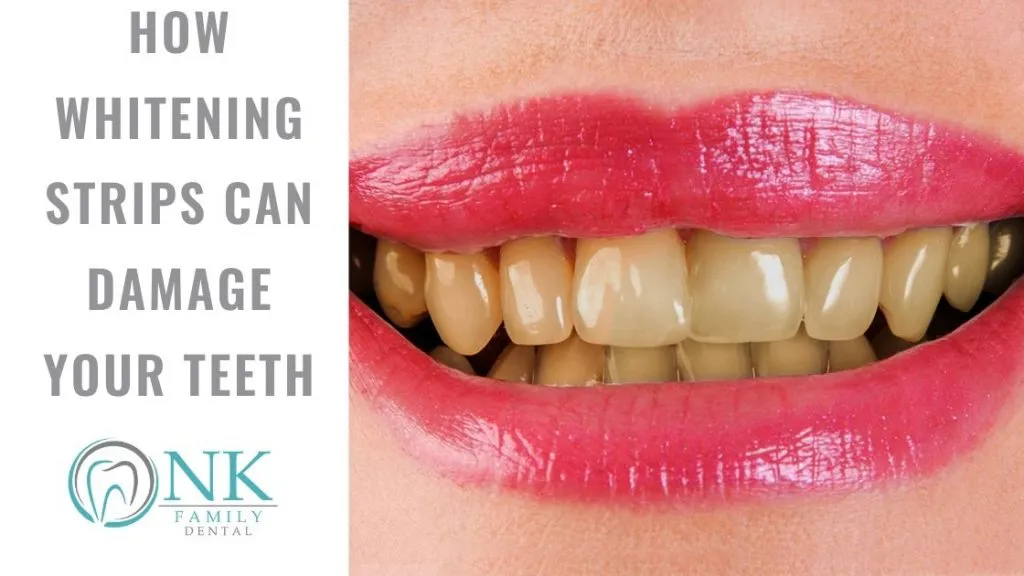
Understanding Whitening Strips and Brushing
Achieving a brighter smile often involves the use of whitening strips, a popular and convenient method for at-home teeth whitening. However, maximizing the effectiveness of these strips requires a comprehensive understanding of how they work and the best practices for their application. This includes knowing how to integrate them seamlessly into your existing oral hygiene routine, particularly in relation to brushing your teeth. Many people wonder whether to brush before or after using whitening strips, or even if brushing at all is necessary. The key is to understand the science behind the process and to follow a routine that optimizes the results of the whitening strips while also maintaining the health of your teeth and gums.
The Science Behind Whitening Strips
Whitening strips typically contain hydrogen peroxide or carbamide peroxide, which are the active bleaching agents. When applied to the teeth, these chemicals penetrate the enamel and break down the stain molecules that cause discoloration. The effectiveness of whitening strips depends on the concentration of the active ingredient, the duration of application, and the individual’s tooth structure. The process is not instantaneous; it requires consistent use over a period of days or weeks to achieve noticeable results. Understanding the science allows you to appreciate why timing and technique are so critical to the process, and why it is important to avoid practices that could hinder the effectiveness of these strips.
How Whitening Strips Work

Whitening strips are designed to adhere to the surface of your teeth, delivering the whitening agent directly to the enamel. The peroxide in the strips interacts with the stained molecules, causing them to break apart, which results in a lighter, brighter appearance. The strips are typically made of a flexible material that conforms to the shape of your teeth, ensuring that the whitening agent is in contact with the teeth. The duration of application varies depending on the product, so it’s important to follow the instructions carefully. Consistency is key; the more consistently you use the strips as directed, the better the results you are likely to achieve. Furthermore, understanding how whitening strips work can help you integrate them more effectively into your oral hygiene routine, optimizing the outcome.
Brushing Techniques Before Whitening Strips
Brushing before applying whitening strips can be beneficial, but the technique and timing matter. Brushing removes plaque and food particles from the surface of your teeth, which can interfere with the whitening agent’s ability to reach the enamel. However, it’s important to brush gently and thoroughly, avoiding any aggressive scrubbing that could irritate the gums. A soft-bristled toothbrush is recommended to minimize abrasion. Wait at least 30 minutes after brushing to apply the strips. This allows the enamel to re-mineralize, as brushing can temporarily weaken it. By following this approach, you prepare your teeth for optimal whitening while minimizing the potential for sensitivity or damage. This ensures that the whitening strips can work at their best without any interference from plaque and other debris.
Gentle Brushing for Optimal Results
When brushing before whitening strips, the emphasis should be on gentle cleaning rather than aggressive scrubbing. Use a soft-bristled toothbrush and apply minimal pressure to avoid damaging the enamel or irritating the gums. The goal is to remove surface debris without disrupting the protective layer of the teeth. Brush in a circular motion, paying attention to all surfaces of the teeth, including the front, back, and chewing surfaces. Avoid using too much toothpaste, as excess foam can hinder the effectiveness of the whitening strips. The careful approach ensures that your teeth are clean and ready for the whitening process, without compromising their health. By prioritizing gentleness, you’re effectively preparing your teeth for maximum results while simultaneously promoting good oral hygiene.
Timing Your Whitening Strips Application
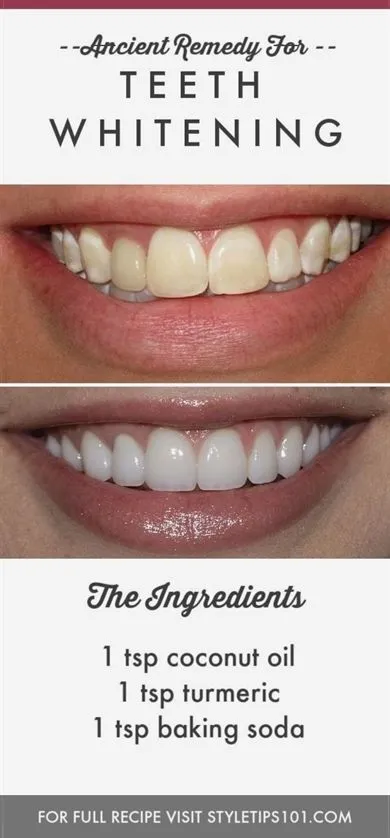
The timing of your whitening strip application is crucial for achieving the best results. Typically, you should brush your teeth before applying the strips, but wait at least 30 minutes to an hour before applying the strips. This allows the enamel to re-mineralize after brushing, making it less susceptible to sensitivity. Avoid brushing immediately before or after using whitening strips, as this can increase the risk of irritation. Carefully following the manufacturer’s instructions is crucial, as different brands may have specific recommendations. Paying close attention to these details will significantly enhance the effectiveness and comfort of the whitening process. Consider the timing and how it works with your schedule to make the most of your whitening routine.
Best Time for Application After Brushing
The ideal time to apply whitening strips after brushing is typically 30 minutes to an hour later. This waiting period allows the saliva to remineralize the enamel, which may have been slightly weakened by brushing. Applying the strips too soon after brushing can increase sensitivity because the enamel is still vulnerable. During the waiting period, you can go about your daily activities, but avoid eating or drinking anything except water. This ensures the whitening agent has direct contact with your teeth and will not get disturbed by any food or drink particles. By giving your teeth the time they need to recover after brushing, you can optimize the whitening process and improve your overall experience.
Benefits of Waiting to Apply
Waiting before applying whitening strips after brushing has several benefits. It reduces the risk of tooth sensitivity by allowing the enamel to remineralize and strengthen. It also ensures that the whitening agent can work effectively, without being diluted or blocked by toothpaste residue or other debris. This can lead to better whitening results and a more comfortable experience overall. By practicing this timing approach, you are creating a more effective and gentle environment for the teeth whitening process, which leads to a brighter smile and healthier teeth. This process underscores the importance of patience in achieving the best possible outcome while minimizing the likelihood of any negative effects.
Enhancing Whitening Strip Effectiveness

To enhance the effectiveness of whitening strips, several factors should be considered. First, ensure that your teeth are clean and free from plaque and debris before applying the strips, but wait the recommended time after brushing. Second, be consistent with the application as directed by the manufacturer. Third, avoid consuming foods and drinks that can stain your teeth, such as coffee, tea, and red wine, during the whitening process. Drinking through a straw can help minimize contact with teeth. Additionally, consider using a whitening toothpaste to maintain results. Follow all the instructions carefully and maintaining good oral hygiene, which can significantly improve the results of your whitening treatments. Maintaining a diligent approach will maximize the benefits and contribute to a brighter, healthier smile.
Ingredients and Their Impact
The ingredients in whitening strips play a crucial role in their effectiveness. The active ingredient, typically hydrogen peroxide or carbamide peroxide, breaks down stain molecules, and the concentration of these ingredients determines the strength of the whitening effect. Other ingredients include binders, which help the strips adhere to the teeth, and flavoring agents, which improve taste. Some strips also contain ingredients to reduce sensitivity, such as potassium nitrate. Understanding the role of each ingredient helps you choose the right product for your needs. Always check the ingredient list for any potential allergens or irritants. Knowing the impacts of each ingredient allows you to make informed choices. This can contribute to both the effectiveness of the whitening and the comfort of the experience.
Boosting Whitening Power
You can enhance the power of whitening strips by combining them with other oral hygiene practices. Using a whitening toothpaste can help maintain the results and remove surface stains. Avoiding stain-causing foods and drinks, such as coffee, tea, and red wine, is also essential. Regular dental check-ups and cleanings can further enhance the effectiveness of whitening treatments. Following all the instructions and maintaining a healthy lifestyle can all contribute to a brighter smile. Consider a comprehensive approach to oral care, including professional treatments and consistent home care, to maximize whitening results. This ensures a synergistic effect, where different methods work together to achieve optimal results.
Avoiding Common Mistakes

Avoiding common mistakes is crucial for successful and safe whitening with strips. One frequent error is applying the strips immediately after brushing, which can increase sensitivity. Another is using the strips for longer than the recommended time or more frequently than directed, which can damage the enamel. Skipping brushing before application is another mistake, as it can reduce effectiveness. Failing to follow the instructions can lead to unsatisfactory results or side effects. Always read and follow the manufacturer’s instructions. By learning and avoiding these common pitfalls, you can achieve a brighter smile with the best results and minimal risk. A better understanding of the process enables you to take the necessary precautions for both efficacy and safety.
Potential Risks and Side Effects
While whitening strips are generally safe, there are potential risks and side effects to be aware of. The most common side effect is tooth sensitivity, which can range from mild to moderate. Gum irritation can also occur, especially if the strips come into contact with the gums for extended periods. In rare cases, more severe side effects, such as enamel damage, can occur. It is therefore very important to follow the instructions, and if you experience any adverse effects, stop using the product and consult with a dentist. Knowing the risks helps you make an informed decision and take the necessary precautions. Awareness promotes the safety and well-being of your oral health.
Managing Sensitivity
If you experience tooth sensitivity while using whitening strips, there are several steps you can take to manage it. First, reduce the frequency or duration of the treatments. Using a toothpaste designed for sensitive teeth, which contains ingredients like potassium nitrate, can also help. Applying the strips for a shorter time or using them less often can help your teeth recover and reduce the risk of sensitivity. Consult with your dentist if the sensitivity is severe or persistent, as they may recommend alternative treatments or strategies. The goal is to achieve a brighter smile without compromising your comfort or oral health. Being proactive in managing sensitivity allows you to continue with the whitening process safely and effectively.
Alternative Teeth Whitening Methods

If whitening strips are not suitable for you, or if you’re looking for alternative options, various teeth whitening methods are available. Professional teeth whitening, performed by a dentist, can provide faster and more dramatic results. Another option is whitening toothpaste, which helps remove surface stains. Whitening gels, available over the counter or prescribed by a dentist, can also be used. Consider the pros and cons of each method. If your teeth are sensitive or if you have gum problems, consult your dentist before choosing a teeth whitening treatment. Exploring different options can lead you to a solution that best meets your specific needs and achieves your desired results. Making informed decisions, based on professional advice, will ensure that you choose the optimal approach for a brighter, healthier smile.
- Professional teeth whitening
- Whitening toothpaste
- Whitening gels