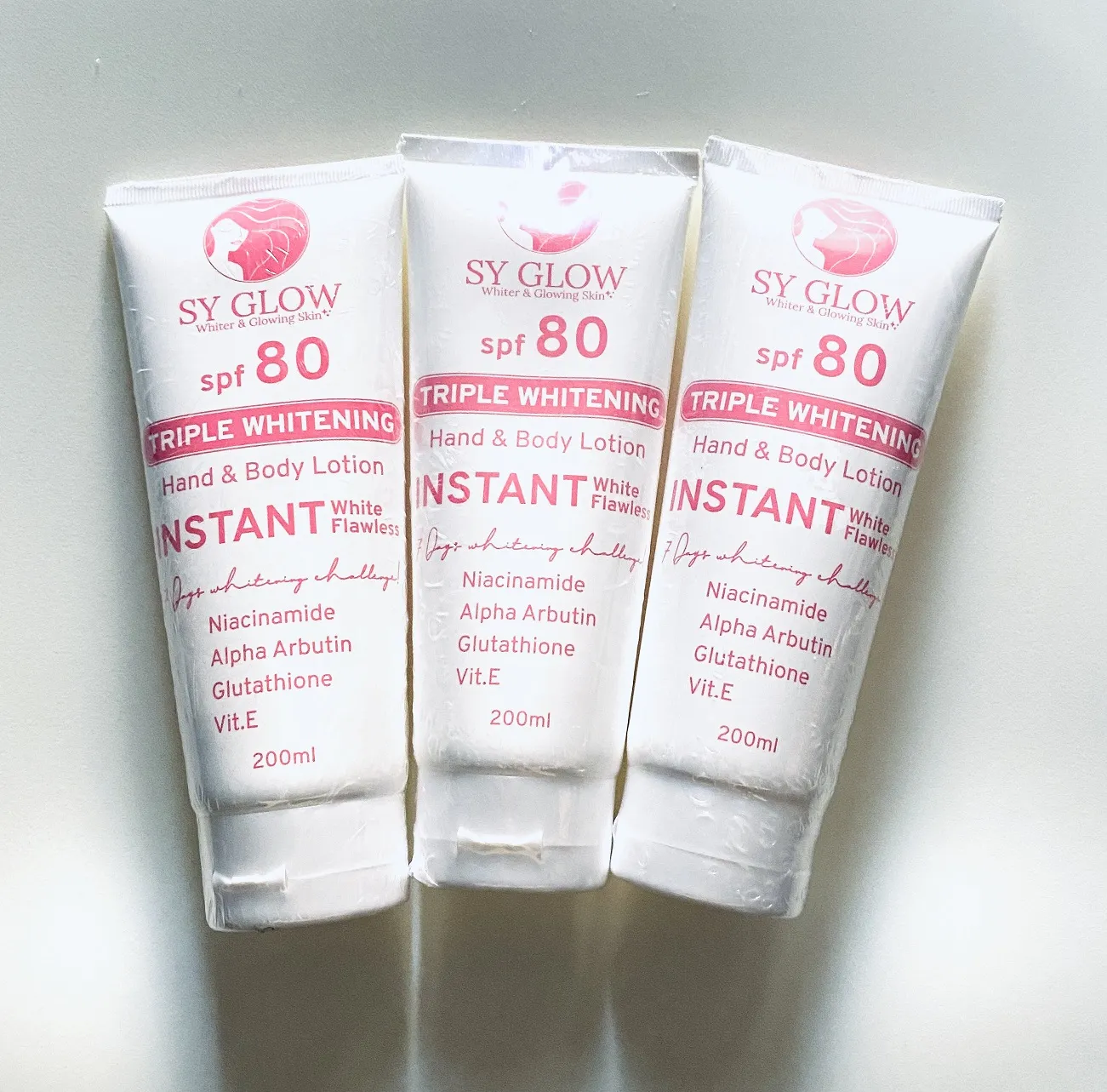
Choosing the right whitening lotion with SPF 50 can be a game-changer for your skincare routine. It’s a powerful combination of skin brightening and sun protection, helping you achieve a radiant complexion while shielding your skin from harmful UV rays. However, with numerous products on the market, selecting the perfect one can be overwhelming. This guide breaks down the key factors to consider, ensuring you make an informed decision and find a whitening lotion SPF 50 that best suits your needs. From understanding ingredients to application techniques, we’ll cover everything you need to know to choose wisely and protect your skin effectively.
Whitening Lotion SPF 50 What to Look For
When selecting a whitening lotion SPF 50, several aspects deserve your attention. It’s not just about picking the first product you see; a well-informed choice is essential. The right lotion should address your skin concerns while providing adequate sun protection. Consider your skin type, the specific ingredients, and the product’s overall formulation to ensure it aligns with your skincare goals. Always prioritize products that are dermatologically tested and free from potential irritants. Look for products that offer broad-spectrum protection to shield your skin from both UVA and UVB rays, minimizing sun damage.
Ingredients to Prioritize
The ingredients in a whitening lotion SPF 50 play a crucial role in its efficacy. A careful examination of the product label is necessary to determine if the lotion suits your needs. Look for ingredients known for their skin-brightening properties and those that provide sun protection. The blend of these active components directly impacts the lotion’s effectiveness and its suitability for your skin. Choosing the correct formulation can drastically improve your skin’s appearance and safeguard it from environmental stressors.
Key Whitening Ingredients

Look for ingredients like Vitamin C, niacinamide, and kojic acid, which are celebrated for their ability to reduce hyperpigmentation and even out skin tone. Vitamin C is an antioxidant that also helps protect against free radical damage. Niacinamide, a form of vitamin B3, can improve skin elasticity and reduce inflammation, and kojic acid inhibits melanin production. Always conduct a patch test before applying a new product to your entire face to ensure you do not have any adverse reactions.
Sun Protection Factors
Ensure your whitening lotion has a minimum SPF of 30, but SPF 50 is preferable, as it blocks approximately 98% of UVB rays. Also, look for “broad-spectrum” protection, indicating that it guards against both UVA and UVB rays. UVA rays contribute to premature aging, and UVB rays are the primary cause of sunburn. Mineral-based sunscreens containing zinc oxide and titanium dioxide offer excellent protection and are generally suitable for sensitive skin. Chemical sunscreens can also be effective; however, some individuals may experience sensitivities.
Skin Type Considerations
Your skin type is a pivotal factor when selecting a whitening lotion SPF 50. The ideal product varies depending on whether you have oily, dry, or sensitive skin. A one-size-fits-all approach will likely lead to unsatisfactory results. The wrong formulation can cause breakouts, dryness, or irritation. Therefore, understanding your skin’s specific needs is key to achieving the best possible outcome and maintaining healthy, glowing skin.
Oily Skin and Whitening Lotion

If you have oily skin, opt for lightweight, oil-free, and non-comedogenic lotions. Look for formulations that contain ingredients like salicylic acid, which can help control oil production and prevent breakouts. Gels and serums are excellent choices, as they absorb quickly and leave no greasy residue. Avoid heavy creams that can clog pores and exacerbate oiliness. Regular cleansing and exfoliation will complement your lotion, promoting a clearer complexion. Choose a product that provides both sun protection and addresses oil control.
Dry Skin and Whitening Lotion
For dry skin, rich and hydrating lotions are essential. Look for lotions with moisturizing ingredients such as hyaluronic acid, ceramides, and glycerin. These ingredients help to hydrate the skin and lock in moisture. Creams and lotions with a thicker consistency will provide better protection and nourishment. Avoid products with alcohol or harsh chemicals, as these can further dry out your skin. Regular moisturizing is crucial, especially after cleansing or exfoliating, to maintain your skin’s suppleness. Ensure the lotion provides broad-spectrum sun protection to prevent further damage.
Sensitive Skin and Whitening Lotion
Sensitive skin requires gentle, fragrance-free, and hypoallergenic products. Look for lotions that are specifically formulated for sensitive skin, often containing soothing ingredients like aloe vera and chamomile. Mineral-based sunscreens containing zinc oxide or titanium dioxide are usually a good choice, as they are less likely to cause irritation. Always perform a patch test before applying the lotion to your entire face. Avoid products with harsh chemicals, such as parabens and sulfates, which can cause redness and irritation. Always choose the most gentle option.
Understanding SPF and PA Ratings

Understanding SPF and PA ratings is crucial for effective sun protection. These ratings provide valuable information about how a product shields your skin from the sun’s harmful rays. Knowing the difference between SPF and PA ratings will allow you to select a product that offers comprehensive protection against both UVB and UVA radiation, safeguarding your skin from sun damage, premature aging, and potential skin conditions. By grasping the basics of these ratings, you can confidently choose a whitening lotion SPF 50 that truly benefits your skin.
SPF Explained
SPF, or Sun Protection Factor, measures the protection against UVB rays, which cause sunburn. The number indicates how long it would take for your skin to burn compared to not using any sunscreen. For instance, SPF 30 means it would take 30 times longer to burn than without sunscreen. It’s essential to apply the correct amount of lotion and reapply it frequently to maintain the stated protection level. Ensure you are using an adequate amount of lotion to ensure proper coverage. Using a higher SPF, like SPF 50, offers increased protection.
PA Ratings Explained
PA ratings measure the protection against UVA rays, which contribute to skin aging and can also increase the risk of skin cancer. PA ratings range from PA+ to PA++++, with PA++++ providing the highest level of protection. Choose lotions with a PA rating of at least PA+++ to ensure effective protection against UVA rays. This rating system, commonly used in Asian countries, helps consumers understand the level of protection a product offers against long-wave UVA rays. Look for this rating to ensure comprehensive protection from the sun.
Application and Reapplication

Correct application and reapplication are vital for the effectiveness of your whitening lotion SPF 50. Regardless of how well-formulated the product is, improper use can significantly reduce its protective benefits. Following recommended guidelines ensures that your skin receives the full sun protection it needs. Always be mindful of the amount you apply and the frequency of reapplication, particularly when exposed to the sun, to maximize the lotion’s performance. This is as important as the ingredients themselves.
Amount of Lotion to Apply
Use a generous amount of whitening lotion to ensure adequate coverage. Generally, apply about a teaspoon of lotion for your face and neck, or a shot glass full for your entire body. Apply the lotion evenly to all exposed skin areas, including often-missed spots like the ears, the back of the neck, and the tops of your feet. Remember, the goal is to create a protective barrier against the sun’s rays. Inadequate application compromises the SPF and reduces its efficacy. Ensure a consistent and thorough application for optimal protection.
Frequency of Reapplication
Reapply your whitening lotion SPF 50 every two hours, or more frequently if you’re swimming, sweating, or engaging in outdoor activities. Even waterproof lotions can wear off over time. Regularly reapplying ensures continuous protection and maintains the stated SPF level. Make reapplication a consistent part of your daily routine, especially when you spend extended periods in the sun. This practice maximizes the effectiveness of your sunscreen, protecting your skin from potential damage. Make it a habit to reapply, setting a reminder if necessary.
Choosing the Right Texture and Formulation

The texture and formulation of a whitening lotion SPF 50 significantly impact its effectiveness and your overall experience. The right consistency will feel comfortable on your skin and encourage consistent use. The formula should also suit your skin type and lifestyle. Experimenting with different textures and formulations is essential to find the best match for your skin. You can adjust your choice based on the season and your skin’s changing needs. The correct formulation helps you maintain a healthy skin routine with ease.
Lotions vs Creams
Lotions are generally lighter and easier to apply, making them ideal for everyday use and for those with oily or combination skin. Creams are richer and provide more hydration, which is best suited for dry or mature skin. Creams are often thicker, offering more intensive moisture. Consider your skin’s needs and the climate when choosing. If you live in a humid environment, a lotion might be sufficient. In a dry climate, a cream could be preferable. The choice between lotion and cream impacts the product’s absorption and feel.
Gel and Serum Options
Gels and serums are lightweight and quickly absorbed, making them a good choice for those with oily or acne-prone skin. They often have a non-greasy feel and can be layered under makeup. Serums typically contain concentrated active ingredients, which can provide additional benefits. These formulations are especially beneficial in warm weather because they are less likely to feel heavy on the skin. They combine sun protection with other skin-enhancing benefits.
Additional Features to Consider

Beyond the core ingredients and SPF level, other features can influence your choice of whitening lotion SPF 50. These extras can enhance the product’s benefits and make it more suitable for your lifestyle. Considering these factors ensures that the lotion meets your specific needs and preferences, optimizing your skincare routine. Evaluating these additional features will help you refine your choices.
Water Resistance
If you plan to swim or sweat, choose a water-resistant lotion. Look for products labeled as water-resistant (for up to 40 minutes) or very water-resistant (for up to 80 minutes). Be sure to reapply after swimming or excessive sweating, even if the lotion is water-resistant. Water resistance helps maintain protection, reducing the need for frequent reapplication in these conditions. Always follow the product’s instructions for the best results and optimal sun protection.
Hypoallergenic Properties
If you have sensitive skin, consider a hypoallergenic lotion. These products are formulated to minimize the risk of allergic reactions and irritation. They often contain fewer chemicals and fragrances. Always read the ingredient list carefully, avoiding products with known irritants. Choose a hypoallergenic lotion to help maintain your skin’s health and reduce the likelihood of adverse reactions. This will offer peace of mind.
Choosing the right whitening lotion SPF 50 requires careful consideration of your skin type, the ingredients, and the product’s overall formulation. By understanding these aspects and following the guidelines, you can select a product that effectively brightens your skin while providing essential sun protection. Remember, consistency in application and reapplication is key to achieving optimal results. With the right whitening lotion SPF 50, you can protect your skin and achieve a radiant, healthy complexion.