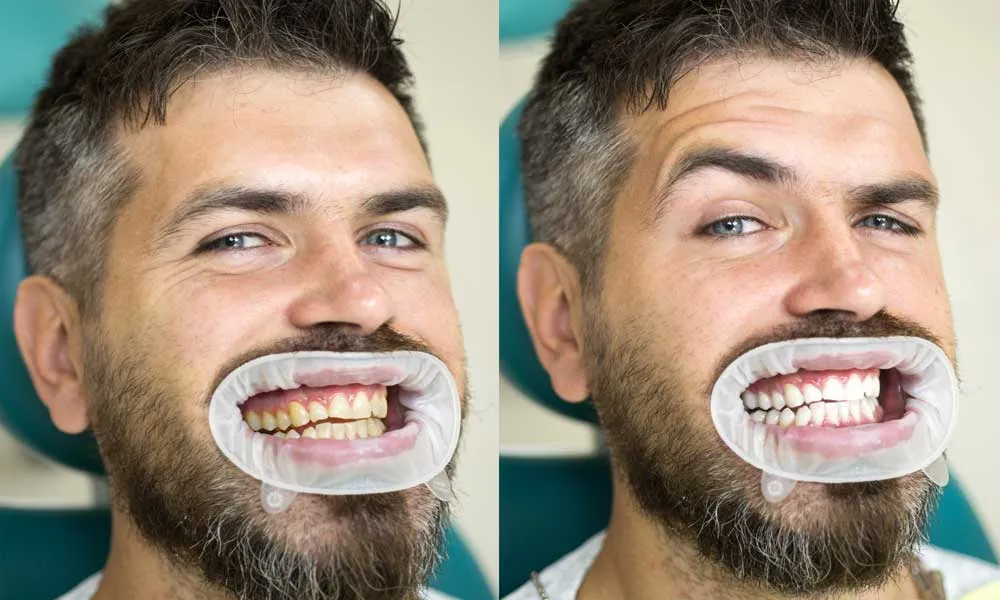
Understanding Teeth Whitening
Teeth whitening is a popular cosmetic dental procedure aimed at lightening the shade of your teeth and removing stains and discoloration. It involves the use of bleaching agents, typically hydrogen peroxide or carbamide peroxide, to break down the stains that have accumulated on the enamel surface. The effectiveness of teeth whitening can depend on several factors, including the type of stains, the concentration of the whitening agent, and the duration of the treatment. There are various methods available, ranging from over-the-counter products like whitening strips and toothpastes to professional treatments performed by a dentist. Understanding the fundamentals of teeth whitening is essential for achieving a brighter smile safely and effectively.
How Whitening Works
The process of teeth whitening is a chemical reaction. Whitening agents penetrate the enamel and dentin, breaking down the stain molecules. These molecules are smaller than before, thus reflecting less light, leading to a brighter appearance. The bleaching agents used in teeth whitening are designed to oxidize the stain molecules, causing them to become less concentrated and appear less visible. The duration of the treatment, whether it’s at-home or in-office, plays a vital role in the effectiveness. Professional treatments often use higher concentrations of whitening agents and can provide quicker results. Different whitening methods use varying concentrations of active ingredients, which dictates the time necessary to achieve desired results.
The Role of Enamel

Tooth enamel is the outermost layer of the tooth and is the hardest substance in the human body. It’s a porous substance, which means it has microscopic pores that can absorb stains from foods, drinks, and tobacco. The health of your enamel is crucial for the effectiveness and safety of teeth whitening. A healthy enamel surface allows for better penetration of the whitening agents and reduces the risk of sensitivity. Enamel thickness also influences the final outcome of whitening, as thicker enamel may require more treatments. Maintaining healthy enamel through proper oral hygiene practices, such as regular brushing and flossing, is essential to maximize the benefits of teeth whitening.
The Impact of Brushing
Brushing is a fundamental part of oral hygiene, playing a vital role in removing plaque, food particles, and surface stains. Brushing before whitening removes surface debris and allows the whitening agent to better contact the tooth enamel. Brushing after whitening, on the other hand, can help to remove any remaining whitening product and prevent the re-staining of teeth. The timing of brushing, whether before or after the whitening treatment, can affect the overall results. It’s important to note that brushing too aggressively can damage enamel, especially immediately after a whitening treatment. The choice of toothpaste also matters, with certain formulations potentially enhancing or hindering the whitening process.
Why Brush After Whitening? Top 5 Reasons
Brushing your teeth after a whitening treatment is often the more beneficial approach. Here are five key reasons why brushing after whitening is recommended
Reason 1 Enhancing Whitening

Brushing after whitening helps to remove any residual whitening product from your teeth. This can help to ensure that the whitening agent has the maximum opportunity to work on the enamel. Removing excess product can prevent any potential irritation. This also allows for a more even distribution of the whitening agent, contributing to a more uniform whitening effect.
Reason 2 Reducing Sensitivity
Teeth whitening can sometimes cause temporary sensitivity. Brushing with a toothpaste designed for sensitive teeth after whitening can help to alleviate this discomfort. These toothpastes often contain ingredients like potassium nitrate, which helps to block pain signals from the nerves in your teeth. This will help you to stay comfortable.
Reason 3 Removing Stains
Brushing removes any new stains that may have formed on the tooth surface. After whitening, your teeth may be more susceptible to staining. This is because the enamel pores are slightly opened during the process. Brushing after whitening helps to remove any food particles or beverages that could stain your teeth. This will make it easier for you to keep your teeth white.
Reason 4 Maintaining Freshness

Brushing after whitening refreshes your mouth and leaves your teeth feeling clean. It helps to remove any bad breath-causing bacteria. The use of a minty toothpaste also provides a pleasant sensation. This helps keep your mouth feeling fresh. Good oral hygiene is always important, especially after whitening.
Reason 5 Preventing Plaque Buildup
Brushing helps to remove plaque, a sticky film of bacteria that can lead to tooth decay and gum disease. After whitening, it’s even more important to keep your teeth clean. You want to ensure that your teeth are healthy and free from plaque. This helps to maintain the results of the whitening treatment and promote overall oral health. Regular brushing will ensure the best outcome.
Best Practices for Teeth Whitening
To achieve the best results and maintain a bright smile, it’s important to follow some best practices. These include choosing the right whitening method, using proper brushing techniques, flossing regularly, and making dietary considerations. It’s essential to consult with a dentist before starting any whitening treatment to ensure it’s suitable for your specific needs and oral health conditions. Following these guidelines will help you achieve the desired results while minimizing potential side effects and maintaining overall oral health.
Choosing the Right Whitening Method

The market offers various teeth whitening options, including over-the-counter products and professional treatments. Over-the-counter options include whitening strips, toothpastes, and gels. Professional whitening involves in-office treatments and custom-fitted trays provided by a dentist. Professional treatments are generally more effective and offer faster results. Choosing the right method depends on your individual needs. Always follow the product instructions and consult with a dentist. This will help you select the most suitable and effective method for achieving the desired shade of white.
Proper Brushing Technique
Proper brushing technique is key to effective oral hygiene. Use a soft-bristled toothbrush and brush your teeth in a gentle, circular motion. Make sure you’re covering all surfaces of each tooth. Brush for two minutes, twice a day. Replace your toothbrush every three months or sooner if the bristles become frayed. Avoid brushing too hard, as this can damage enamel. Proper brushing will help to remove plaque and stains. You can also protect your teeth from sensitivity, particularly after a whitening treatment. Careful and consistent brushing habits are vital for maintaining a bright and healthy smile.
The Importance of Flossing
Flossing is an essential part of oral hygiene. It helps to remove food particles and plaque from areas that a toothbrush cannot reach, such as between teeth and under the gum line. Flossing daily helps prevent gum disease and tooth decay. After brushing, flossing ensures that your mouth is thoroughly cleaned. Use a gentle sawing motion to avoid damaging your gums. Consistent flossing helps maintain good oral health. It will also promote a brighter smile. In addition to these tips, see your dentist for a more thorough cleaning.
Additional Tips for a Brighter Smile

Besides brushing and flossing, other habits can help to maintain a brighter smile. Regular dental checkups and cleanings are essential for removing plaque and tartar. Avoiding stain-causing foods and drinks like coffee, tea, and red wine can also help. Using a whitening toothpaste can boost your results. Drinking plenty of water helps keep your mouth clean. Avoid smoking and tobacco products. These can stain your teeth. Consider using a straw when consuming dark-colored beverages. This will help minimize contact with your teeth.
Dietary Considerations
Diet plays a significant role in the appearance of your teeth. Certain foods and drinks can stain teeth, while others can help to keep them white. Minimize consumption of stain-causing substances. This includes coffee, tea, red wine, and dark-colored berries. Incorporate teeth-friendly foods into your diet. Crunchy fruits and vegetables, like apples and carrots, can help clean your teeth naturally. Dairy products like milk and cheese can strengthen enamel. Maintaining a balanced diet and avoiding excessive sugars will support both your overall health and the brightness of your smile.
Professional Dental Checkups
Regular dental checkups are crucial for maintaining a healthy and bright smile. During these visits, your dentist can detect and treat any oral health issues early. They can also perform professional cleanings to remove plaque and tartar. Professional cleanings can brighten your smile. Your dentist can also recommend appropriate whitening treatments. This can help determine if a whitening treatment is suitable for your individual needs. Regular checkups will help to ensure that your teeth stay healthy and beautiful.