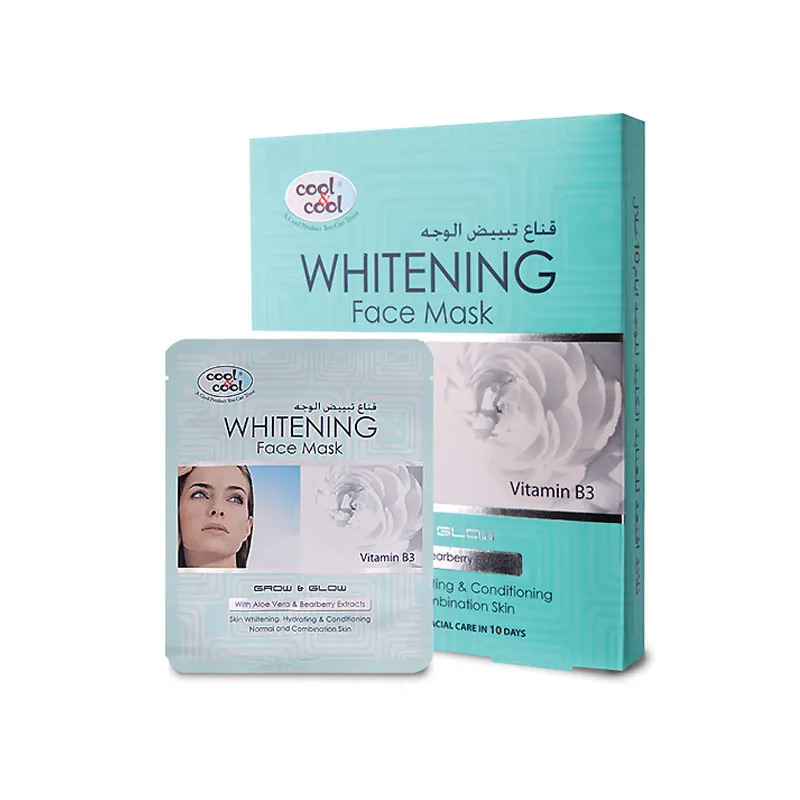
The Power of Whitening Facial Masks
Whitening facial masks have become a staple in many skincare routines, promising a brighter, more even-toned complexion. These masks work by targeting hyperpigmentation, reducing the appearance of dark spots, and promoting a more radiant glow. However, the effectiveness of a whitening facial mask largely depends on the ingredients used, the user’s skin type, and consistent application. This guide will provide you with 10 essential tips to maximize the benefits of your whitening facial mask and achieve the luminous skin you desire. Whether you’re battling sunspots, acne scars, or simply seeking a more youthful appearance, incorporating these tips into your skincare regimen can make a significant difference. Remember that patience and consistency are key, as noticeable results may take time. The journey to radiant skin is a marathon, not a sprint, so embrace the process and enjoy the transformation.
Tip 1 Choose the Right Mask Type
Not all whitening facial masks are created equal. The first step to success is selecting a mask that suits your skin type. If you have oily or acne-prone skin, opt for masks that contain ingredients like clay or charcoal, which help absorb excess oil and impurities. For dry or sensitive skin, look for hydrating masks infused with ingredients like hyaluronic acid, aloe vera, or honey. Combination skin requires a balanced approach; consider masks that target both oil control and hydration. Reading product reviews and researching ingredients is crucial before making a purchase. Pay attention to the product’s formulation to ensure it aligns with your specific skin needs. Choosing the right mask type can prevent irritation and ensure you’re getting the maximum benefit from the product.
Understanding Skin Types and Mask Compatibility

Understanding your skin type is fundamental to selecting the right facial mask. Oily skin produces excessive sebum, making it prone to breakouts, whereas dry skin lacks moisture and can feel tight and flaky. Combination skin presents a mix of both, with an oily T-zone and drier cheeks. Sensitive skin is easily irritated and may react to harsh ingredients. Masks designed for oily skin often contain ingredients like salicylic acid or tea tree oil to unclog pores, while dry skin benefits from masks with hydrating ingredients. Combination skin masks often address specific areas, balancing hydration and oil control. Sensitive skin requires gentle, fragrance-free formulas with soothing ingredients such as chamomile or calendula. Always perform a patch test before applying a new mask to your entire face to check for adverse reactions.
Tip 2 Exfoliate Before Masking
Exfoliation is a crucial step that often gets overlooked but significantly enhances the effectiveness of your whitening facial mask. Exfoliating removes dead skin cells, dirt, and oil that can clog pores and prevent the mask’s active ingredients from penetrating deeply. This ensures that the mask’s whitening agents can work more efficiently. Use a gentle exfoliator 1-2 times a week, depending on your skin’s sensitivity. Avoid harsh scrubs that can cause micro-tears and irritation. Chemical exfoliants, such as those containing AHAs (alpha hydroxy acids) or BHAs (beta hydroxy acids), are excellent for sloughing off dead skin cells and promoting cell turnover. This prepares your skin to better absorb the nutrients and whitening agents in your mask, leading to improved results.
Benefits of Exfoliation for Whitening
Exfoliation provides multiple benefits that complement the whitening process. First, it clears the way for the mask’s active ingredients to penetrate deeper, maximizing their effectiveness. Second, it smooths the skin’s surface, creating a more even texture and enhancing the mask’s ability to address uneven pigmentation. Third, regular exfoliation stimulates cell turnover, promoting the growth of new, healthy skin cells that contribute to a brighter complexion. By removing the top layer of dead skin, exfoliation also reveals the newer, more radiant skin beneath, making your whitening efforts more noticeable and effective. Remember to moisturize after exfoliating to prevent dryness.
Tip 3 Select Whitening Ingredients

The effectiveness of a whitening facial mask heavily depends on the ingredients it contains. Look for masks with ingredients known for their skin-brightening properties. Vitamin C is a powerful antioxidant that brightens skin, protects against environmental damage, and stimulates collagen production. Niacinamide (Vitamin B3) reduces inflammation, minimizes pores, and improves skin tone. Arbutin and kojic acid are effective in reducing melanin production, which helps lighten dark spots and even out skin tone. Licorice root extract and azelaic acid are also beneficial for their whitening and anti-inflammatory properties. Be sure to read the ingredient list carefully and choose masks that contain a combination of these proven whitening agents. Avoid masks with harsh chemicals or irritating fragrances that could counteract the whitening effects.
Key Ingredients for Skin Brightening
Certain ingredients stand out for their effectiveness in skin brightening. Vitamin C not only brightens but also protects against free radicals, making it a must-have in any whitening routine. Niacinamide is another powerhouse, reducing inflammation and improving skin texture. Arbutin is a natural compound derived from the bearberry plant and is known for its ability to inhibit melanin production. Kojic acid, a byproduct of fermented foods, lightens dark spots and reduces discoloration. Licorice root extract, a natural extract, contains glabridin, which inhibits tyrosinase, the enzyme responsible for melanin production. Azelaic acid, another effective ingredient, is a naturally occurring acid that helps reduce inflammation and hyperpigmentation. When selecting a whitening facial mask, look for products that contain a combination of these ingredients to enhance results.
Tip 4 Apply the Mask Correctly
Proper application is key to getting the most out of your whitening facial mask. Start with a clean, dry face. Use a soft brush or your fingertips to apply an even layer of the mask, avoiding the eye and lip areas. Follow the product instructions for the recommended thickness. Applying too much mask won’t necessarily yield better results and could lead to waste. Ensure even coverage to address all areas of concern, such as dark spots or uneven skin tone. Avoid pulling or tugging on your skin during application. Allow the mask to sit for the recommended time, typically 10-20 minutes, depending on the product. Carefully remove the mask by rinsing with lukewarm water and gently patting your face dry with a soft towel.
Techniques for Even Application

Even application is crucial for the mask to work effectively. Uneven application can result in patchy results. Use a soft brush or clean fingertips to apply the mask in a smooth, consistent layer. Start at the center of your face and work outwards. Ensure that the mask covers all areas you wish to treat, paying extra attention to areas with hyperpigmentation or uneven skin tone. Avoid applying the mask too thickly, as this can make it difficult to remove and may cause irritation. Conversely, applying too thin of a layer may not yield the desired results. Apply the mask evenly across the face, using gentle, upward motions to avoid pulling on the skin. Consider using a mirror to ensure even coverage, particularly around the hairline and jawline.
Tip 5 Time Your Masking Sessions
Knowing how long to leave a whitening facial mask on is crucial for achieving the best results without causing irritation. Always follow the product’s instructions for the recommended duration. Over-masking can lead to dryness, redness, and irritation. Generally, most masks should be left on for 10-20 minutes. If you have sensitive skin, start with a shorter time and gradually increase it as tolerated. When you remove the mask, use lukewarm water to rinse gently. Avoid using hot water, which can strip your skin of its natural oils. Pat your face dry with a soft towel. Observe your skin for any signs of irritation after each use and adjust the masking time accordingly. Consistency is key to success, but always prioritize the health of your skin.
Optimal Masking Duration
The optimal time to leave a whitening facial mask on depends on the specific product and your skin’s sensitivity. Always adhere to the manufacturer’s instructions on the packaging. Typically, masking times range from 10 to 20 minutes. For those with sensitive skin or those trying a new mask for the first time, starting with a shorter duration (e.g., 10 minutes) is advisable. As you become more familiar with the product and observe how your skin reacts, you can gradually increase the masking time, if necessary. It’s essential to avoid leaving the mask on for too long, as this can lead to dryness, irritation, and even redness. Regular monitoring of your skin’s condition is crucial to ensure that you’re getting the benefits without any adverse effects.
Tip 6 Moisturize After Masking

Following up with a moisturizer after using a whitening facial mask is essential for maintaining skin hydration and maximizing the mask’s benefits. Many whitening masks contain ingredients that can potentially dry out your skin. Applying a moisturizer helps to replenish moisture, lock in the active ingredients, and protect your skin barrier. Choose a moisturizer that suits your skin type. If you have oily skin, opt for a lightweight, oil-free moisturizer. For dry skin, use a rich, emollient cream. For combination skin, use a moisturizer that balances both hydration and oil control. Apply the moisturizer immediately after rinsing and patting your face dry. This ensures that your skin stays hydrated and that the whitening effects of the mask are sustained.
Importance of Post-Mask Hydration
Hydration is essential for healthy, radiant skin, and moisturizing after a whitening facial mask is an important step to maintain hydration levels. Whitening masks can sometimes strip the skin of its natural oils, leading to dryness and irritation. A good moisturizer replenishes this lost moisture, preventing dryness and promoting a more supple and youthful complexion. It also helps to create a protective barrier that shields the skin from environmental stressors. Choose a moisturizer that is free of harsh chemicals and fragrances. Look for ingredients like hyaluronic acid, ceramides, and glycerin, which are excellent for attracting and retaining moisture. Regularly moisturizing helps to enhance the effects of the whitening mask by supporting overall skin health and resilience.
Tip 7 Consistency is Key
Consistency is vital for achieving noticeable results with a whitening facial mask. Incorporate the mask into your skincare routine regularly, usually 1-3 times a week, depending on your skin’s tolerance and the product’s instructions. Do not expect overnight results; consistent use over time is what leads to improvement. Track your progress by taking photos of your face before you start and then periodically throughout your routine. This allows you to monitor the changes in your skin and adjust your routine as needed. Remember that results may vary depending on factors such as your skin type, the severity of your concerns, and the ingredients in the mask. Patience and persistence are key to achieving your desired results.
Establishing a Masking Routine

Creating a consistent routine will help you achieve the best results. Start by determining how frequently you’ll use the mask – usually 1-3 times a week. Choose the days and times that best fit your schedule. Integrate the mask into your existing skincare regimen. Make sure you cleanse and exfoliate your face before applying the mask. After rinsing off the mask, apply a hydrating moisturizer. Set reminders on your phone or calendar to ensure you don’t miss masking sessions. Track your progress by taking photos and documenting any changes you observe. Be patient and stick to your routine. Over time, you’ll notice improvements in your skin’s tone and texture. Remember that consistency is one of the most crucial factors for success when using a whitening facial mask.
Tip 8 Protect Your Skin from Sun
Sun protection is absolutely critical when using a whitening facial mask. Many whitening ingredients make your skin more susceptible to sun damage. Exposure to the sun can undo the progress you’ve made with the mask and even worsen hyperpigmentation. Always apply a broad-spectrum sunscreen with an SPF of 30 or higher every morning, even on cloudy days. Reapply sunscreen every two hours, especially if you’re spending time outdoors. Wear protective clothing, such as a hat and sunglasses, to further shield your skin. Avoid direct sun exposure during peak hours, typically between 10 AM and 4 PM. Consistent sun protection will help maintain your results and prevent new dark spots from forming.
The Role of Sunscreen in Skin Whitening
Sunscreen is an indispensable part of any skin-whitening routine. UV rays stimulate melanin production, which is the body’s natural defense against sun damage. This can lead to the darkening of existing dark spots and the formation of new ones. Sunscreen prevents UV rays from reaching the skin, thereby reducing melanin production and preventing further hyperpigmentation. Choose a broad-spectrum sunscreen that protects against both UVA and UVB rays. Apply a generous amount of sunscreen every morning, and reapply throughout the day. Even if you are not directly exposed to the sun, sunscreen is still recommended. By incorporating sunscreen into your daily routine, you can significantly enhance the effectiveness of your whitening facial mask and maintain a brighter, more even complexion.
Tip 9 Consider Professional Advice

While whitening facial masks can be highly effective, it’s always a good idea to consult with a dermatologist or skincare professional. They can assess your skin type, identify any underlying issues, and recommend the most suitable products and treatments. A professional can also provide personalized advice based on your specific concerns and goals. They may recommend other treatments, such as chemical peels or laser therapy, to complement your mask routine. If you experience any adverse reactions, such as persistent redness, irritation, or breakouts, consult a dermatologist immediately. They can help you determine the cause and recommend appropriate solutions. Seeking professional guidance ensures that you’re using the most effective and safe approach for your skin.
When to Seek a Dermatologist
It’s important to know when to seek professional advice from a dermatologist. If you have significant hyperpigmentation, such as melasma or deep acne scars, a dermatologist can provide more advanced treatments. If you experience persistent skin irritation, redness, or breakouts after using a whitening facial mask, consult a professional. They can identify the cause of the problem and recommend alternative products or treatments. If you are unsure about your skin type or the best products for your needs, a dermatologist can provide an assessment. If you are not seeing any improvement after several weeks of using a whitening facial mask, it may be time to seek professional advice. A dermatologist can offer personalized recommendations and ensure you achieve the best possible results for your skin.
Tip 10 Embrace a Holistic Approach
For optimal results, consider a holistic approach to skin whitening. This includes not only using a whitening facial mask but also adopting a healthy lifestyle. Stay hydrated by drinking plenty of water, as this helps keep your skin hydrated and glowing. Eat a balanced diet rich in antioxidants, vitamins, and minerals, which supports overall skin health. Get adequate sleep, as this allows your skin to repair and regenerate. Manage stress, as stress can worsen skin conditions. Avoid smoking and excessive alcohol consumption, as these habits can damage your skin. By combining a good skincare routine with a healthy lifestyle, you can enhance the effects of your whitening facial mask and achieve radiant, healthy skin from the inside out.
Lifestyle Factors for Radiant Skin
Several lifestyle factors can significantly impact the effectiveness of your whitening facial mask and the overall health of your skin. Diet plays a critical role. Consume a diet rich in fruits, vegetables, and antioxidants. Vitamins A, C, and E, found in many fruits and vegetables, are essential for skin health. Ensure adequate sleep. During sleep, your body repairs and regenerates skin cells. Aim for 7-8 hours of quality sleep per night. Manage stress, as stress can trigger inflammation and exacerbate skin conditions. Incorporate stress-reducing activities, such as yoga or meditation. Avoid smoking and excessive alcohol consumption. Both can accelerate aging and damage the skin. Staying hydrated is crucial. Drink plenty of water to keep your skin moisturized and glowing. By incorporating these lifestyle changes, you can boost the effects of your whitening facial mask and achieve a radiant complexion.