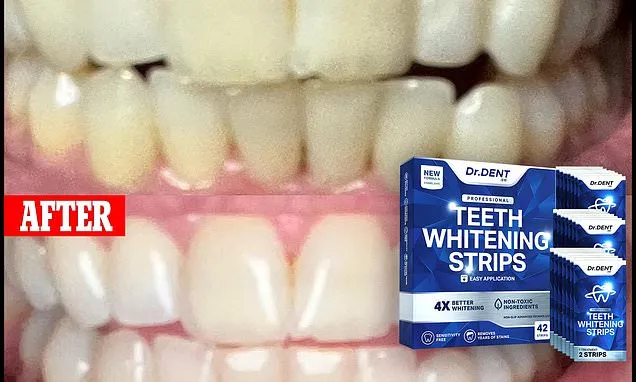
What is Peroxide Teeth Whitening
Teeth whitening using peroxide is a popular cosmetic dental procedure designed to lighten the color of your teeth and remove stains. Peroxide-based whitening products, such as hydrogen peroxide and carbamide peroxide, are the active ingredients responsible for this process. These compounds work by breaking down stain molecules, which helps to lift discoloration from the enamel of your teeth. This method can be administered by dental professionals or used at home with various products, offering a convenient way to enhance your smile. The effectiveness and safety of peroxide teeth whitening depend on the concentration of the peroxide used, the method of application, and individual factors like the initial shade of your teeth and the type of stains present. It’s important to consult with a dental professional to determine the best approach for your specific needs and to understand the potential risks and benefits associated with this cosmetic procedure.
How Peroxide Works to Whiten Teeth
Peroxide whitens teeth through a process of oxidation. When hydrogen peroxide or carbamide peroxide comes into contact with the teeth, it releases oxygen molecules. These oxygen molecules penetrate the enamel and dentin of the teeth, reacting with the stain molecules embedded within the tooth structure. This reaction breaks down the bonds of these stain molecules, effectively dispersing them and making the teeth appear lighter. The concentration of peroxide influences the speed and intensity of the whitening process. Higher concentrations typically yield faster results but also increase the risk of side effects like tooth sensitivity and gum irritation. The whitening effect is not permanent, and the longevity of the results depends on several factors, including oral hygiene practices, diet, and lifestyle choices such as smoking. Regular dental check-ups and maintenance can help prolong the benefits of peroxide teeth whitening.
The Science Behind Peroxide

The science behind peroxide teeth whitening involves understanding the chemical reactions at play. Hydrogen peroxide (H2O2) is the primary active ingredient, which decomposes into water (H2O) and oxygen (O). The oxygen molecules are what break down the stain molecules. Carbamide peroxide is another common compound, which breaks down into hydrogen peroxide and urea. This slow release of hydrogen peroxide makes carbamide peroxide a popular choice for at-home whitening treatments because it provides a gentler, sustained whitening effect. The effectiveness of peroxide depends on its concentration, the duration of application, and the overall health of the teeth. The porous nature of tooth enamel allows the peroxide to penetrate and act on the stain molecules. It’s important to note that peroxide only works on natural teeth and not on dental restorations like crowns or fillings. Therefore, a thorough understanding of the science behind this process helps in making informed decisions about teeth whitening and managing expectations.
Types of Peroxide Used for Whitening
There are two primary types of peroxide used in teeth whitening: hydrogen peroxide and carbamide peroxide. Hydrogen peroxide is the more potent of the two and is often used in professional dental treatments due to its faster-acting whitening properties. It comes in higher concentrations, resulting in quicker results but also a greater risk of sensitivity. Carbamide peroxide, on the other hand, breaks down into hydrogen peroxide and urea. It is commonly used in at-home whitening kits because it is gentler and releases hydrogen peroxide more slowly, reducing the likelihood of side effects. Different concentrations of these peroxides are available, ranging from low percentages in over-the-counter products to higher concentrations used by dentists. The choice between hydrogen peroxide and carbamide peroxide, and the concentration used, depends on factors such as the severity of the staining, the desired speed of results, and the individual’s sensitivity levels. Consulting with a dentist is crucial to determine the most appropriate type and concentration for your specific needs.
Hydrogen Peroxide vs Carbamide Peroxide
The main difference between hydrogen peroxide and carbamide peroxide lies in their chemical composition and how they’re used in teeth whitening. Hydrogen peroxide is a direct bleaching agent, providing immediate whitening action. It is often used in professional dental treatments due to its high concentration and faster results. However, because of its potency, it can cause more sensitivity and gum irritation. Carbamide peroxide is a milder alternative. It breaks down into hydrogen peroxide and urea. The urea acts as a moisturizing agent and helps stabilize the peroxide, which is released more gradually. This slower release makes carbamide peroxide a common ingredient in at-home whitening products like strips and trays, which minimizes sensitivity. The concentration of each type also plays a significant role; professional treatments use higher concentrations, offering faster results compared to at-home kits. Both are effective, but the best choice depends on individual needs, tolerance, and the guidance of a dental professional.
Top 7 Facts About Peroxide Teeth Whitening

Fact 1 Safe Usage Guidelines
Following safe usage guidelines is paramount when using peroxide-based teeth whitening products. Always consult a dentist before starting any whitening treatment to ensure it is appropriate for your oral health. Adhere strictly to the product instructions regarding application time, frequency, and concentration. Avoid using excessive amounts of the product, as this can increase the risk of sensitivity and gum irritation. If you experience any discomfort, such as increased tooth sensitivity or gum irritation, stop using the product and consult your dentist immediately. Be cautious with over-the-counter products, as they may contain different concentrations and application methods. Regularly monitor your teeth and gums for any adverse reactions. Following these guidelines helps to minimize risks and maximize the effectiveness of the whitening treatment while preserving your oral health.
Fact 2 Effectiveness of Peroxide
The effectiveness of peroxide in teeth whitening can vary based on several factors. Peroxide-based treatments can effectively lighten teeth by several shades, depending on the concentration of the peroxide, the duration of the treatment, and the type and severity of the stains. Professional treatments with higher concentrations usually yield faster and more dramatic results compared to at-home kits. However, the initial shade of your teeth plays a significant role; individuals with naturally darker teeth may require multiple treatments to achieve their desired results. The type of stains also influences effectiveness; stains from coffee, tea, and tobacco often respond well to peroxide whitening. The outcome is also affected by the porosity of the enamel, the age of the individual, and adherence to the treatment protocol. Maintaining the results requires good oral hygiene, avoiding staining foods and drinks, and potentially undergoing touch-up treatments.
Fact 3 Sensitivity Considerations

Tooth sensitivity is a common side effect of peroxide teeth whitening. The peroxide can penetrate the enamel and reach the dentin, which contains nerve endings. This can lead to temporary sensitivity, particularly to hot or cold foods and drinks. The level of sensitivity depends on the concentration of the peroxide used, the duration of the treatment, and individual tooth sensitivity. High-concentration treatments performed by dentists tend to have a higher incidence of sensitivity than at-home treatments. To manage sensitivity, dentists may recommend using desensitizing toothpaste containing potassium nitrate before, during, and after the whitening treatment. Reducing the application time, using lower concentrations, and avoiding extreme temperatures can also help alleviate sensitivity. In most cases, sensitivity subsides within a few days after completing the treatment. Consulting with your dentist about managing sensitivity is crucial to ensure a comfortable whitening experience.
Fact 4 Cost-Effectiveness
The cost-effectiveness of peroxide teeth whitening varies based on the chosen method. Professional teeth whitening, performed by a dentist, typically involves a higher upfront cost due to the use of stronger concentrations and the expertise of the dental professional. While this option can be more expensive, it often provides quicker and more dramatic results. At-home whitening kits, such as strips, trays, and toothpastes, are generally more affordable. However, these products often contain lower concentrations of peroxide and may require more frequent use and longer treatment durations to achieve similar results. Considering the long-term benefits, such as improved self-esteem and oral health, the cost of teeth whitening can be justified. The investment is often seen as worthwhile, particularly for those who want to enhance their smiles. Assessing your budget, desired outcomes, and the potential for maintenance is crucial to determine the best value for your investment.
Fact 5 Types of Application
Peroxide teeth whitening can be administered in several ways, each offering different advantages and levels of convenience. Professional whitening, done by a dentist, typically involves applying a high-concentration peroxide gel to the teeth, often in conjunction with a special light or laser to accelerate the whitening process. These treatments are performed in a controlled environment, minimizing the risk of irritation and ensuring optimal results. At-home methods include whitening strips, custom-fitted trays, and over-the-counter toothpastes and rinses. Whitening strips are thin, flexible strips coated with a peroxide-based solution that is applied directly to the teeth. Custom trays involve taking impressions of your teeth to create a tray, which is then filled with a whitening gel and worn for a specific amount of time. Whitening toothpastes and rinses contain lower concentrations of peroxide and are designed for daily use to maintain brightness. The best method depends on individual preferences, the desired level of whitening, and the advice of your dentist.
Fact 6 Potential Side Effects

Peroxide teeth whitening, while generally safe, can have potential side effects. Tooth sensitivity is the most common, ranging from mild discomfort to sharp pain when consuming hot or cold foods and drinks. Gum irritation is another potential side effect, which can manifest as redness, swelling, or tenderness of the gums. This often occurs if the whitening product comes into contact with the gum tissue. In rare cases, more severe reactions, such as allergic reactions or chemical burns, can occur. Most side effects are temporary and resolve within a few days after the treatment. The risk of side effects is often minimized by using the product as directed, avoiding over-application, and consulting with a dentist before starting any whitening procedure. If severe side effects arise, such as prolonged sensitivity or significant gum irritation, seeking professional dental advice is crucial.
Fact 7 Maintaining Results
Maintaining the results of peroxide teeth whitening requires a combination of good oral hygiene practices and lifestyle choices. Regular brushing with fluoride toothpaste, flossing, and professional dental cleanings help remove surface stains and plaque. Avoiding or limiting the consumption of staining foods and drinks, such as coffee, tea, red wine, and berries, is essential. Smoking and tobacco use should be avoided as they are major contributors to tooth discoloration. Periodic touch-up treatments may be necessary to maintain the desired level of brightness. Using a whitening toothpaste can also help to remove surface stains and maintain the whiteness of the teeth. The longevity of the results depends on how well these maintenance practices are followed. Regular dental check-ups and consultations with your dentist can help you establish an effective oral health plan and prevent future discoloration.
Peroxide Teeth Whitening Risks and Precautions
Potential Side Effects

The potential side effects of peroxide teeth whitening should be carefully considered. Tooth sensitivity is a frequent occurrence, often manifesting as discomfort when consuming hot or cold foods and drinks. Gum irritation, characterized by redness, swelling, or tenderness, can result from the peroxide coming into contact with gum tissues. In rare cases, more severe reactions, such as allergic responses or chemical burns, may occur. The intensity and duration of these side effects depend on factors like the concentration of peroxide used, the application method, and individual sensitivity levels. It’s important to discuss these risks with your dentist before starting any whitening treatment, and report any adverse reactions immediately. Using the product as directed, avoiding over-application, and maintaining good oral hygiene are crucial in minimizing potential side effects. Knowing the risks and precautions helps patients to make informed decisions and manage expectations effectively.
Proper Usage and Safety Measures
Proper usage and safety measures are essential for a successful and safe peroxide teeth whitening experience. Before starting, consult with your dentist to ensure teeth whitening is suitable for your oral health condition. Follow the product instructions meticulously, paying close attention to application time, frequency, and concentration. Avoid using excessive amounts of the whitening agent, which can increase the risk of sensitivity and gum irritation. Protect your gums by avoiding direct contact with the whitening product, using a tray that fits properly or applying petroleum jelly to the gum line to create a barrier. If you experience any discomfort or adverse reactions, such as severe sensitivity or gum irritation, stop using the product and consult your dentist immediately. Regular dental check-ups are essential to monitor your oral health and address any potential issues promptly. Prioritizing proper usage and safety measures will minimize risks and maximize the benefits of teeth whitening, promoting a healthy and radiant smile.
Alternatives to Peroxide Whitening
Professional Whitening Options

Professional teeth whitening offers superior results due to the higher concentration of peroxide used and the expertise of dental professionals. In-office whitening procedures, often using a combination of a strong whitening gel and a special light or laser, can lighten teeth by several shades in a single visit. Dentists can also create custom-fitted trays for at-home whitening using a prescription-strength peroxide gel, providing a balance of effectiveness and convenience. Professional whitening ensures the gums are protected, minimizing the risk of irritation. Another option is the use of porcelain veneers or dental bonding, which provides a permanent solution for whitening and addressing other cosmetic issues. These options offer greater control and faster results compared to over-the-counter products, making them a reliable choice for those seeking significant improvements in the appearance of their smiles. Consulting with a dentist can help determine which option is best suited for your specific needs and desired outcomes.
At-Home Whitening Products
Numerous at-home whitening products are available, offering a convenient and affordable alternative to professional treatments. These include whitening strips, which are easy to apply and contain a peroxide-based solution that adheres directly to the teeth. Whitening toothpastes and rinses are designed for daily use and contain lower concentrations of peroxide or other whitening agents to remove surface stains. Custom-fit whitening trays can be purchased from your dentist. These trays are designed to fit your teeth perfectly and are filled with a whitening gel. While at-home products are generally less potent than professional treatments, they can still effectively lighten teeth over time, especially for mild to moderate staining. It is important to follow the product instructions and to be aware of the potential for tooth sensitivity or gum irritation. Consulting with your dentist before using any at-home whitening product can help ensure it is safe and appropriate for your specific oral health needs. This allows for better results and the best smile.
Maintaining a Bright Smile
Maintaining a bright smile after teeth whitening involves a combination of consistent oral hygiene practices and lifestyle adjustments. Brushing your teeth twice daily with a fluoride toothpaste and flossing regularly helps remove surface stains and prevent the buildup of plaque. Limiting the consumption of staining foods and beverages, such as coffee, tea, red wine, and berries, can help preserve your whitened teeth. Avoiding smoking and tobacco products is crucial, as these substances are major contributors to tooth discoloration. Periodic touch-up treatments may be necessary to maintain the desired level of brightness. The longevity of the results depends on adherence to these maintenance practices. Regular dental check-ups and professional cleanings are also essential to monitor your oral health and address any potential issues promptly, ensuring you maintain a bright, healthy smile for years to come. Consistent effort and good habits will help maintain the results of teeth whitening.