What is Baking Soda & Peroxide Teeth Whitening?
Teeth whitening at home using baking soda and hydrogen peroxide is a popular DIY method for achieving a brighter smile. It involves using a paste made from these two common household ingredients to help remove surface stains and potentially lighten the overall shade of your teeth. This method has gained traction due to its accessibility and low cost compared to professional treatments. However, it’s crucial to understand the science behind it and use it safely to avoid any potential risks. The effectiveness can vary depending on the type and severity of the stains and the individual’s tooth enamel.
How Baking Soda Whitens Teeth
Baking soda, or sodium bicarbonate, acts as a mild abrasive. When used in teeth whitening, it helps scrub away surface stains caused by things like coffee, tea, and tobacco. The abrasive action is gentle enough not to damage the enamel when used sparingly and correctly. Furthermore, baking soda has slight whitening properties that can contribute to a brighter smile. It also creates an alkaline environment in the mouth, which can help inhibit the growth of bacteria. However, its effectiveness is limited to surface stains, and it cannot change the intrinsic color of your teeth.
The Role of Hydrogen Peroxide in Whitening

Hydrogen peroxide is a mild oxidizing agent that penetrates the enamel and helps break down stain molecules. It’s the primary active ingredient in many professional and over-the-counter teeth-whitening products. When combined with baking soda, hydrogen peroxide can enhance the whitening effect. The concentration of hydrogen peroxide is crucial; higher concentrations can lead to more noticeable results but also increase the risk of sensitivity and other side effects. For home use, it’s essential to use the correct concentration and follow the recommended application guidelines to minimize potential risks.
Step-by-Step Guide to Baking Soda & Peroxide Whitening
Here’s a simple guide to using baking soda and peroxide for teeth whitening at home. Before you start, it’s essential to consult with a dentist, especially if you have sensitive teeth, cavities, or other oral health issues. This guide assumes you have no pre-existing conditions and are cleared by a dentist for this DIY method. Remember that results may vary, and this method is not a substitute for professional dental care.
Gathering Your Supplies
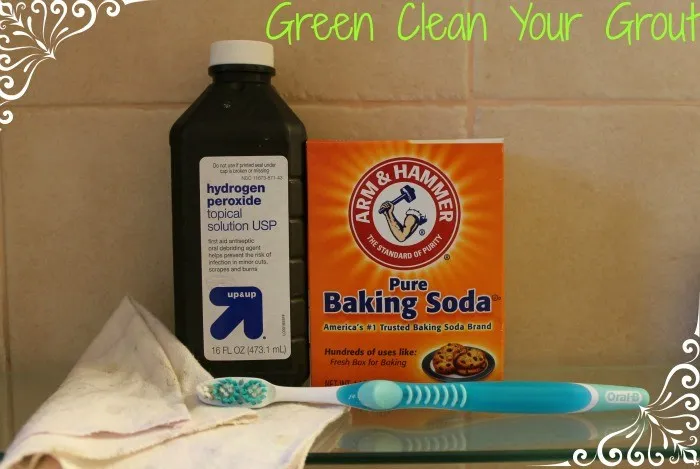
You’ll need a few readily available items. These include baking soda (ensure it’s food-grade), hydrogen peroxide (3% concentration, commonly found in drugstores), a small bowl, a spoon or mixing tool, and a soft-bristled toothbrush. Make sure the bowl and spoon are clean to prevent any contamination. Also, it’s useful to have a timer to monitor the application time, which should be short to minimize the risk of enamel damage or gum irritation.
Mixing the Baking Soda and Peroxide

In the small bowl, mix a small amount of baking soda (about one teaspoon) with hydrogen peroxide. Add just enough peroxide to create a paste; the consistency should be similar to toothpaste. Avoid making the paste too runny or too thick; a slightly grainy texture is ideal for gentle abrasion. Ensure that the mixture is well combined before applying it to your teeth. It’s crucial to make a fresh batch each time you whiten your teeth.
Applying the Mixture to Your Teeth
Using your soft-bristled toothbrush, apply the paste to your teeth. Make sure to cover all surfaces, but avoid brushing aggressively. Gentle, circular motions are best to prevent enamel damage. Let the mixture sit on your teeth for about one to two minutes. Do not leave it on longer than recommended, as prolonged exposure can increase the risk of sensitivity. After the designated time, rinse your mouth thoroughly with water to remove all traces of the paste.
Rinsing and Aftercare
After rinsing, brush your teeth with regular fluoride toothpaste to remineralize the enamel and provide additional protection. Avoid consuming staining foods or drinks, such as coffee, tea, and red wine, for at least an hour after whitening to maximize the effects. It’s also advisable to use a mouthwash for added protection. Maintain a regular oral hygiene routine, including brushing twice a day and flossing daily, to keep your teeth healthy and bright.
Tips for Successful Teeth Whitening

- Use the correct concentration of hydrogen peroxide (3%).
- Avoid excessive brushing pressure.
- Be consistent with your oral hygiene routine.
- Limit the frequency of whitening treatments.
- Consult your dentist for any concerns.
Frequency of Use
It’s best to limit the use of baking soda and hydrogen peroxide to once or twice a week. Overuse can lead to enamel erosion and increased tooth sensitivity. If you experience any discomfort, discontinue use immediately. Remember that consistency in your regular oral hygiene routine is more important than frequent whitening treatments.
Potential Risks and Side Effects
Using baking soda and hydrogen peroxide for teeth whitening carries potential risks. These can include increased tooth sensitivity, gum irritation, and enamel erosion. Sensitivity can occur due to the abrasive nature of baking soda or the oxidizing properties of hydrogen peroxide. Gum irritation may result from the chemicals coming into contact with the soft tissues. Enamel erosion can make your teeth more susceptible to cavities and other dental issues. If you experience any adverse effects, discontinue use and consult your dentist immediately.
Alternatives to Baking Soda and Peroxide

If you’re looking for alternatives to baking soda and peroxide, consider using whitening toothpaste, whitening strips, or other over-the-counter whitening products. These products often contain milder abrasives and whitening agents, making them a safer option for some individuals. Always follow the product instructions carefully. Another alternative is activated charcoal, which can help remove surface stains, but it also has the potential to damage enamel. Always consult with your dentist before trying any new teeth whitening methods.
Professional Teeth Whitening Options
Professional teeth whitening offers the most effective and safest way to brighten your smile. Your dentist can provide in-office whitening treatments using stronger concentrations of hydrogen peroxide, which deliver faster and more dramatic results. They can also create custom-fitted trays for at-home whitening treatments. Professional options are safer because the dentist can monitor the process and address any potential issues. Additionally, your dentist can assess your oral health and determine the best whitening approach for your specific needs.
In conclusion, while baking soda and hydrogen peroxide can be a cost-effective method for teeth whitening at home, it’s essential to approach this with caution and a clear understanding of the potential risks. Always prioritize your oral health and consult with your dentist before starting any DIY whitening treatments. Regular dental check-ups and a consistent oral hygiene routine are vital for maintaining a healthy and bright smile.