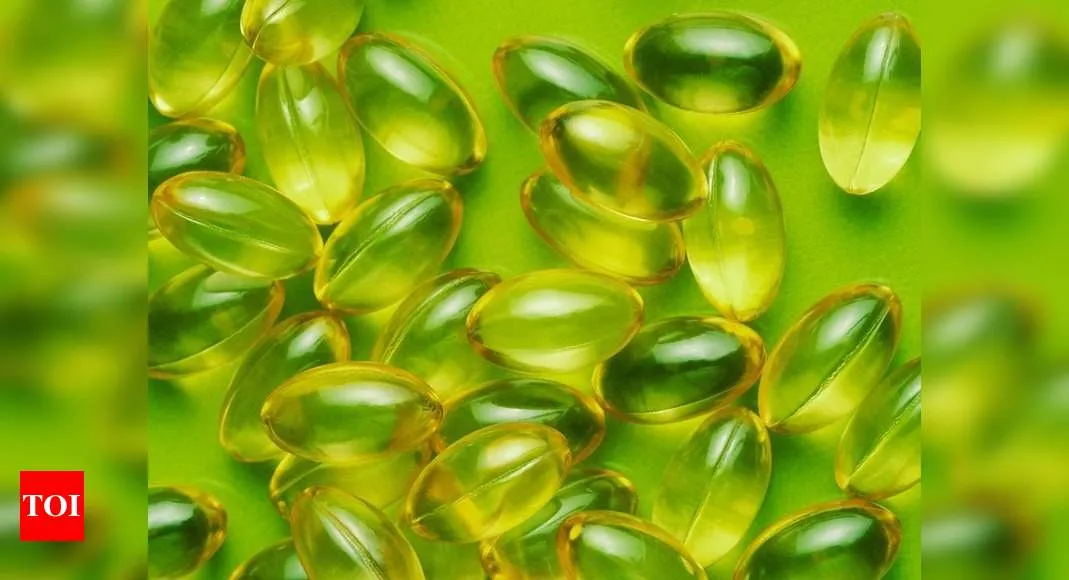
What is Vitamin E and What Does It Do for Skin?
Vitamin E is a fat-soluble nutrient with potent antioxidant properties, crucial for maintaining overall health. It’s found naturally in many foods and is also available as a supplement. For skin, vitamin E is celebrated for its ability to protect against free radical damage, which can accelerate aging and lead to various skin issues. It is one of the key ingredients that provides support for maintaining skin health and its natural glow. This involves providing protective measures that can strengthen the skin barrier. Additionally, vitamin E supports in maintaining the moisture balance of the skin, keeping it hydrated and preventing dryness. The vitamin also promotes skin cell regeneration, which is significant for repairing and renewing damaged skin. Regular usage of vitamin E can provide several advantages, and it is a versatile component in any skincare regimen.
Understanding the Science Behind Vitamin E and Skin
The effectiveness of Vitamin E in skincare is rooted in its antioxidant properties. Antioxidants, like Vitamin E, neutralize free radicals—unstable molecules that can harm skin cells and accelerate the aging process. By neutralizing these free radicals, Vitamin E helps to protect the skin from oxidative stress. It is critical to know that oxidative stress plays a major part in the formation of wrinkles, age spots, and other signs of aging. Moreover, Vitamin E assists in preventing damage from environmental factors such as UV radiation and pollution. This protection is important for maintaining the skin’s integrity and promoting overall health. In addition to its antioxidant functions, vitamin E also contributes to the skin’s moisture balance by reinforcing the skin’s natural barrier.
The Role of Antioxidants in Skin Whitening

Antioxidants play a vital role in skin whitening by combating the root causes of discoloration and uneven skin tone. Free radicals, generated by UV exposure, pollution, and other environmental stressors, can trigger melanogenesis—the process that produces melanin, the pigment responsible for skin color. Excessive melanin production leads to hyperpigmentation, resulting in dark spots, sunspots, and uneven skin tone. Antioxidants, such as vitamin E, neutralize free radicals, thus inhibiting the overproduction of melanin. This action reduces existing dark spots and prevents new ones from forming. By incorporating antioxidants into skincare, individuals can achieve a brighter, more even complexion. It is a way to not only protect but also to enhance the skin’s natural radiance. This approach promotes a healthier and more vibrant skin appearance.
How Vitamin E Helps Reduce Hyperpigmentation
Vitamin E tackles hyperpigmentation through several mechanisms. First, its antioxidant activity directly combats free radicals that can trigger excess melanin production. By reducing oxidative stress, vitamin E helps prevent dark spots and uneven skin tone from developing. Secondly, vitamin E has anti-inflammatory properties. Inflammation can worsen hyperpigmentation, so reducing inflammation can help lessen the appearance of dark spots. Furthermore, vitamin E is believed to aid in the repair and regeneration of skin cells. This helps to fade existing hyperpigmentation. Regular usage of vitamin E can lead to a more even skin tone. By incorporating vitamin E into a skincare regimen, individuals can effectively address and minimize hyperpigmentation concerns. This can result in a brighter, more luminous complexion, improving overall skin appearance and health. It is a comprehensive approach to dealing with skin discoloration.
Does Vitamin E Capsule Effectively Whitening Skin?
The effectiveness of Vitamin E capsules for skin whitening is a topic of considerable interest and debate. While Vitamin E is a powerful antioxidant and offers several skin benefits, its direct whitening effects are not definitively proven. Vitamin E can improve skin health, reduce inflammation, and protect against environmental damage, which can contribute to a clearer complexion. However, it does not directly inhibit melanin production, which is the primary mechanism for skin whitening. Many skincare formulations combine Vitamin E with other active ingredients, like Vitamin C or retinol, which are known for their skin-brightening properties. These combinations often yield more noticeable results than Vitamin E alone. Therefore, while Vitamin E capsules can support overall skin health, expectations should be realistic regarding their whitening capabilities.
Topical vs Oral Vitamin E for Skin Whitening

Both topical and oral forms of Vitamin E offer distinct benefits for skin health, but their approach to skin whitening differs. Topical Vitamin E, often found in creams and serums, is directly applied to the skin, allowing for targeted treatment of specific areas. It works locally to protect against free radicals and reduce inflammation, which can improve skin tone and texture. Oral Vitamin E supplements, on the other hand, are ingested and work systemically. They provide antioxidant protection throughout the body and support overall skin health. When choosing between the two, consider your skin concerns and preferences. Topical Vitamin E is ideal for directly addressing localized issues like dark spots, while oral supplements support skin health from within. Combining both methods can provide a comprehensive approach, but it’s essential to consult with a dermatologist before starting any new supplement regimen.
Comparing Vitamin E with Other Skin Whitening Agents
When assessing Vitamin E for skin whitening, it’s helpful to compare it with other popular agents. Vitamin C is another potent antioxidant that also inhibits melanin production, making it a more direct approach to skin whitening. Retinoids, derived from Vitamin A, promote cell turnover and reduce hyperpigmentation, yielding visible results. Hydroquinone is a strong skin-lightening agent that inhibits melanin production, often used to treat stubborn dark spots. Kojic acid is a natural skin brightener that inhibits melanin production. Compared to these agents, Vitamin E has a more indirect role in skin whitening. While it doesn’t directly lighten skin, it supports overall skin health, reduces inflammation, and protects against environmental damage. For targeted skin whitening, Vitamin E is often combined with other active ingredients. The most effective strategy depends on individual skin concerns, with Vitamin E playing a supportive role in a broader skincare routine.
How to Incorporate Vitamin E into Your Skincare Routine
Incorporating Vitamin E into your skincare routine can be done in several ways to optimize its benefits. One common method is using Vitamin E oil or serums, which can be applied directly to the skin. Start with a small amount to avoid irritation and apply it after cleansing and toning. Look for products that also contain other antioxidants, such as Vitamin C, for enhanced effects. Vitamin E is often found in moisturizers, so choosing a product that contains it is a practical way to benefit from its properties. For a comprehensive approach, consider oral supplements of Vitamin E. This will support skin health from within. Remember to consult a dermatologist before starting any new skincare regimen, especially if you have sensitive skin or specific concerns. Integrating Vitamin E into your skincare routine consistently can contribute to healthier, more radiant skin over time. The key is to be patient and consistent for best results.
Potential Risks and Side Effects of Vitamin E Use

While Vitamin E is generally safe, understanding potential risks and side effects is essential. Topical application of Vitamin E can sometimes cause skin irritation, redness, or itching, especially in individuals with sensitive skin. To minimize risks, perform a patch test before widespread use. In rare cases, excessive oral intake of Vitamin E supplements can lead to adverse effects such as nausea, fatigue, or even increased bleeding risk. Those taking blood-thinning medications should consult their doctor before starting Vitamin E supplements. It’s crucial to adhere to recommended dosages and not exceed them. Additionally, Vitamin E products can sometimes be comedogenic, meaning they can clog pores and potentially lead to breakouts. When introducing Vitamin E into your skincare regimen, monitor your skin closely for any adverse reactions and adjust usage accordingly. Consulting a dermatologist can provide personalized advice to ensure the safe and effective use of Vitamin E.
The Best Vitamin E Capsules for Skin Whitening
Choosing the best Vitamin E capsules involves several factors. Look for high-quality products from reputable brands that use pure Vitamin E (d-alpha-tocopherol) and minimal additives. Consider capsules that are specifically formulated for skin health, as they may contain other beneficial ingredients. Check the dosage to ensure it aligns with recommended guidelines. It’s also essential to read reviews and research the brand’s reputation. Some brands also offer Vitamin E in oil form, which can be directly applied to the skin. If using Vitamin E capsules topically, ensure you puncture the capsule carefully and apply the oil sparingly to avoid skin irritation. The best product will also depend on your individual skin type and concerns. Consulting a dermatologist before starting any new supplement or skincare routine is highly recommended for tailored advice. Ensure the capsules are stored properly to preserve their potency and efficacy.
Other Benefits of Vitamin E for Skin Health
Beyond its potential benefits for skin whitening, Vitamin E offers a range of other advantages. It acts as a powerful moisturizer, helping to hydrate and soften the skin. Vitamin E’s antioxidant properties protect against environmental damage, reducing premature aging signs like fine lines and wrinkles. It can help soothe and heal skin, making it beneficial for dry or irritated skin conditions. Vitamin E’s anti-inflammatory properties can reduce redness and calm the skin. It also supports collagen production, which contributes to skin elasticity and firmness. By strengthening the skin’s barrier function, Vitamin E helps to retain moisture and protects against external irritants. Its benefits extend to wound healing, with Vitamin E promoting faster healing and reducing the appearance of scars. Regular use of Vitamin E contributes to a healthy, radiant complexion, providing overall skin well-being.
The Bottom Line Vitamin E for Skin Whitening

Vitamin E offers significant benefits for skin health and indirectly supports a clearer, more even complexion. While it is not a direct skin-whitening agent, its antioxidant and anti-inflammatory properties combat the factors that contribute to uneven skin tone and discoloration. For effective skin whitening, Vitamin E is often best used in conjunction with other active ingredients, such as Vitamin C or retinoids. Incorporating Vitamin E into a comprehensive skincare routine can improve overall skin health, leading to a brighter and more radiant appearance. Regular use of Vitamin E can improve skin’s natural defenses and enhance its ability to heal and regenerate. Remember to manage expectations. While Vitamin E is beneficial for skin, other agents are designed to whiten skin more effectively. Consult a dermatologist to create the best skincare strategy for your needs.