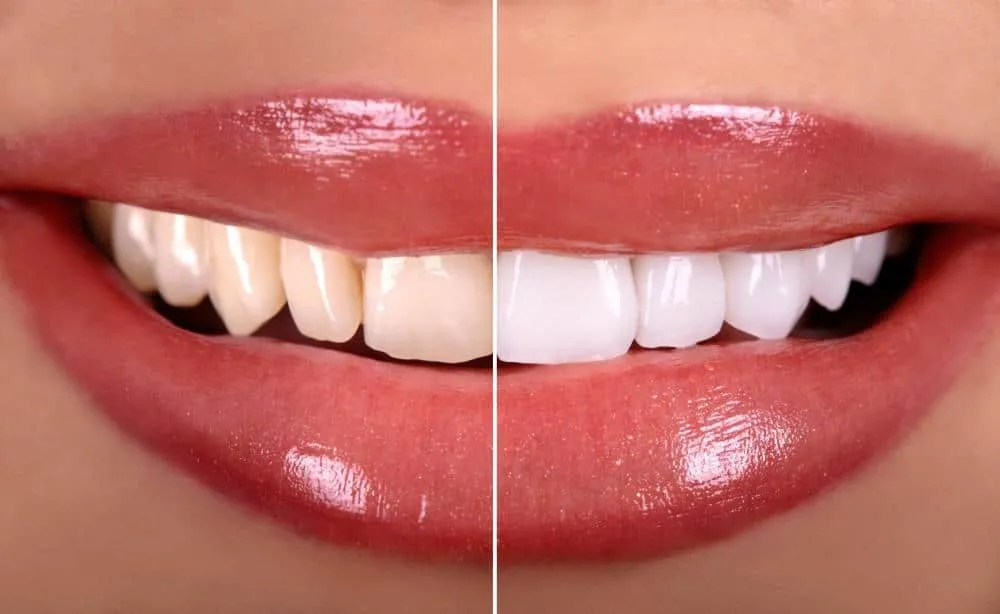
What Causes Tooth Sensitivity After Whitening
Tooth sensitivity is a common side effect of teeth whitening, but it doesn’t mean you have to suffer. Understanding the causes is the first step toward finding relief. Whitening products contain ingredients like hydrogen peroxide or carbamide peroxide, which penetrate the enamel to break down stains. This process can sometimes irritate the nerves within the teeth, leading to temporary sensitivity. The degree of sensitivity varies depending on factors like the concentration of the whitening agent, the duration of application, and individual tooth structure. Taking steps to mitigate the sensitivity can make a significant difference in your comfort and experience with whitening treatments, ensuring you can still achieve that brighter smile without the discomfort.
The Science Behind Whitening Sensitivity
The science behind teeth whitening sensitivity involves the interaction between the whitening agents and the tooth’s structure. The active ingredients in whitening products, primarily peroxides, work by oxidizing the stain molecules embedded in the enamel. This process, while effective at removing discoloration, can also make the teeth more porous, and susceptible to external stimuli. The dentin, a layer beneath the enamel, contains microscopic tubules that connect to the tooth’s nerve center. When the enamel’s protective layer is temporarily weakened, these tubules can become exposed, allowing hot, cold, or acidic substances to stimulate the nerves, which results in the sensation of sensitivity. Knowing this helps you understand why certain remedies are effective.
How Whitening Products Affect Teeth

Whitening products affect teeth by temporarily altering the structure of the enamel. The peroxides in these products break down stain molecules, but they also lead to the loss of minerals from the enamel surface. This demineralization can make the teeth more vulnerable to sensitivity. The degree to which the teeth are affected depends on the strength and duration of the whitening treatment. The effects are typically reversible; the enamel remineralizes over time with proper care. While whitening is generally safe, it’s important to follow the directions carefully, and to be aware of the potential for temporary side effects. It’s important to realize that the tooth’s reaction to the whitening process can vary, underscoring the importance of tailored solutions.
Understanding the Role of Enamel
Enamel, the hard, outermost layer of your teeth, plays a critical role in protecting against sensitivity. It acts as a barrier against temperature changes, acidic foods, and bacteria. When enamel is healthy and intact, it shields the underlying dentin and the tooth’s nerve center from irritation. However, the whitening process can temporarily weaken the enamel, making it more porous and susceptible to external stimuli. Maintaining healthy enamel is vital not only for preventing sensitivity but also for the overall health of your teeth. This is why dental professionals recommend a good oral hygiene routine that focuses on remineralization and strengthening the enamel following a whitening treatment. Protecting the enamel is the key to a comfortable whitening experience.
Top Ways to Stop Tooth Sensitivity
Fortunately, several effective strategies can help stop and alleviate tooth sensitivity caused by whitening. Many of these methods can be incorporated into your daily oral hygiene routine. From using specialized toothpastes to modifying your whitening schedule, these practical tips can significantly improve your comfort level during and after the whitening process. The goal is to reduce the exposure of the tooth’s nerves to irritants while giving your teeth a chance to recover. Choosing the right combination of these methods depends on the severity of your sensitivity and individual needs. Prioritizing the health of your teeth will let you enjoy the benefits of a brighter smile without the discomfort.
Use Sensitivity Toothpaste

Sensitivity toothpastes are specially formulated to provide relief by blocking the pathways to the tooth’s nerves. These toothpastes typically contain ingredients like potassium nitrate or stannous fluoride, which help reduce sensitivity over time. Using these toothpastes a few weeks before starting a whitening treatment can create a protective barrier and reduce the likelihood of sensitivity. Continued use of the toothpaste during and after the whitening treatment can provide ongoing relief and promote remineralization of the enamel. Consistency is key, as it can take a few weeks of regular use to experience the full benefits. Combining this with other methods, such as avoiding acidic foods, can significantly boost its effectiveness.
How Sensitivity Toothpaste Works
Sensitivity toothpaste works through a few different mechanisms to alleviate pain. Potassium nitrate, a common ingredient, penetrates the tooth to calm the nerve. It creates a barrier that prevents the nerve from firing when exposed to stimuli. Stannous fluoride is another effective ingredient; it helps block the tubules in the dentin that lead to the nerve. Fluoride also helps to remineralize the enamel, reinforcing the tooth’s natural defenses. For best results, apply the toothpaste to a soft-bristled brush and gently brush all tooth surfaces, allowing the toothpaste to sit on the teeth for a few minutes before rinsing. Remember, sensitivity toothpaste is a preventative measure, and consistent use is essential to realize the full benefits.
Apply Fluoride Treatments
Fluoride treatments are highly effective in reducing tooth sensitivity by strengthening the enamel and blocking the dentinal tubules. Fluoride remineralizes the enamel, making it more resistant to acid and reducing the tooth’s permeability. There are several fluoride treatment options available, ranging from professional applications by a dentist to at-home products. Choosing the right option depends on the severity of your sensitivity and professional guidance. Combining fluoride treatments with other strategies, like using sensitivity toothpaste and avoiding acidic foods, can provide enhanced relief and promote long-term oral health. Fluoride treatments are a proactive approach to managing sensitivity and protecting your teeth.
Professional Fluoride Treatments

Professional fluoride treatments, administered by a dentist, provide a concentrated dose of fluoride directly to the teeth. These treatments are typically in the form of a gel, foam, or varnish that is applied to the teeth. The higher concentration of fluoride in professional treatments ensures maximum efficacy in strengthening the enamel and blocking the tubules. Dentists may also recommend these treatments after teeth whitening to help remineralize the enamel and reduce sensitivity. The process is quick and painless, often involving a simple application and a short waiting period before eating or drinking. Regular professional fluoride treatments can be an effective way to manage sensitivity and promote overall oral health. It’s best to consult your dentist.
At-Home Fluoride Options
At-home fluoride options provide a convenient way to incorporate fluoride into your daily routine. These options include fluoride toothpaste, mouth rinses, and gels. Fluoride toothpastes are available over the counter and offer a moderate amount of fluoride. Fluoride mouth rinses provide an added layer of protection and can be used after brushing. Fluoride gels, often available by prescription, contain a higher concentration of fluoride and are applied to the teeth with a brush or tray. Be careful not to swallow the gel or rinse. It is always important to follow the instructions and consult with your dentist to determine the best at-home fluoride treatment for your needs. Using these treatments consistently can help strengthen the enamel and reduce sensitivity.
Modify Your Whitening Routine
Adjusting your teeth whitening routine can make a significant difference in reducing sensitivity. This involves carefully monitoring the frequency, concentration of products, and timing of the application. Adjusting your routine allows you to balance the benefits of whitening with the potential for discomfort. Listening to your teeth and paying attention to any signs of sensitivity will help you find the right balance. Adjusting your routine requires patience, and you may need to experiment with different methods to find what works best for your teeth. Consult your dentist for personalized advice on your whitening plan, to keep your teeth healthy while also achieving the smile you want.
Reduce Whitening Frequency

Reducing the frequency of your whitening treatments is a simple yet effective strategy to minimize sensitivity. If you are using at-home whitening kits, follow the instructions carefully, and do not exceed the recommended frequency. For example, if your kit suggests using the product daily, consider using it every other day or only a few times a week. By giving your teeth more time to recover between treatments, you can reduce the risk of sensitivity. This approach is particularly helpful if you have a history of sensitive teeth. It’s always better to err on the side of caution, especially if you experience discomfort. If you are using professional whitening, consult your dentist to adjust the treatment schedule as necessary. This will ensure you achieve the desired results without unnecessary discomfort.
Use Lower-Concentration Products
Opting for lower-concentration whitening products can significantly reduce the likelihood of experiencing sensitivity. The concentration of the active ingredient, typically hydrogen peroxide or carbamide peroxide, directly influences the intensity of the whitening process. Using a lower concentration means a slower, more gentle approach to whitening. At-home whitening kits come in various strengths; if you are prone to sensitivity, choose a product with a lower concentration, like 3% or 6%. These lower concentrations are still effective but may require more frequent use. The goal is to find a balance that delivers the results you want without causing excessive sensitivity. If you’re not sure which product is right for you, speak to your dentist, to get the best advice.
Avoid Whitening Products Immediately Before and After Meals
Avoiding the use of whitening products immediately before and after meals can reduce the potential for tooth sensitivity. Foods and beverages, especially those that are acidic, can affect tooth sensitivity. If you whiten your teeth immediately before eating, the whitening agents can interact with these substances and potentially increase sensitivity. Similarly, whitening immediately after eating can also expose your teeth to foods. To minimize sensitivity, it is best to whiten your teeth at a time when you are unlikely to consume anything for at least an hour before or after treatment. This simple adjustment can help protect your teeth during the whitening process. Follow this routine to maintain a healthy mouth.
Use Desensitizing Gels

Desensitizing gels can provide immediate relief from tooth sensitivity caused by whitening. These gels contain ingredients that block the tubules in the dentin, which reduces the stimulation of the nerve. Using desensitizing gels before and after whitening treatments can create a protective barrier, making the process more comfortable. You can apply these gels at home or your dentist might apply them professionally. These gels are particularly helpful if you have a history of tooth sensitivity. They’re a practical addition to your whitening routine. Always read and follow the product instructions carefully, and consult with your dentist for the best usage.
Over-the-Counter Desensitizing Gels
Over-the-counter desensitizing gels offer a convenient and accessible way to manage tooth sensitivity. These gels often contain potassium nitrate or other active ingredients that help to block the nerve endings. Over-the-counter gels are easy to apply and can be integrated into your daily routine. They are a great option for those who experience mild to moderate sensitivity. Always follow the instructions carefully. If your sensitivity is severe or persistent, it’s a good idea to consult with your dentist. Over-the-counter gels can be an effective component of a comprehensive strategy to reduce sensitivity and enjoy the benefits of whitening.
Professional Desensitizing Treatments
Professional desensitizing treatments, performed by your dentist, offer a more potent solution for severe sensitivity. Dentists can apply stronger desensitizing agents directly to the teeth. These treatments often provide immediate and longer-lasting relief. They are especially beneficial for those who experience extreme sensitivity. The process involves a quick and painless application. In addition to the gels, your dentist may also recommend in-office fluoride treatments. These professional treatments are tailored to your specific needs and can be combined with at-home care for the best results. Consulting with your dentist can make a significant difference in ensuring a comfortable whitening experience.
Maintain Good Oral Hygiene

Maintaining good oral hygiene practices is critical in both preventing and managing tooth sensitivity. This includes brushing gently, using a soft-bristled toothbrush, and flossing regularly. Proper oral hygiene helps to strengthen the enamel. This shields the underlying dentin and reduces the risk of sensitivity. Brushing your teeth at least twice a day with a fluoride toothpaste is essential. Make sure to brush gently and avoid excessive pressure, as this can wear down the enamel. Flossing helps remove plaque and bacteria. It is a key component of oral hygiene. Regular dental check-ups and cleanings also help to identify and address any potential oral health issues. Combining these practices with other strategies can help you achieve and maintain a healthy and bright smile.
Brush Gently
Brushing gently is essential for protecting your enamel and preventing sensitivity. Aggressive brushing can erode the enamel and lead to sensitivity over time. The right way to brush is with a soft-bristled toothbrush and use gentle, circular motions. Don’t apply too much pressure. This technique helps clean your teeth effectively without causing harm. Be sure to brush all surfaces of each tooth. Gentle brushing ensures that your teeth and gums remain healthy. It helps keep your smile bright without triggering sensitivity. It is a simple habit with long-term benefits.
Use a Soft-Bristled Toothbrush
Using a soft-bristled toothbrush is a key part of maintaining good oral hygiene. A soft brush is gentler on your teeth and gums. It minimizes the risk of enamel erosion and gum recession, which can lead to sensitivity. Replace your toothbrush every three months, or sooner if the bristles become frayed. This ensures that the brush remains effective at cleaning your teeth without causing harm. The soft bristles are excellent for removing plaque and debris from the tooth surfaces. Use the right technique and combine it with gentle brushing to get the best results for oral health. Selecting the right toothbrush is critical in the fight against tooth sensitivity.
Avoid Acidic Foods and Drinks
Avoiding acidic foods and drinks is a crucial step in reducing tooth sensitivity. Acidic substances can erode tooth enamel. That exposes the underlying dentin. This can lead to sensitivity. Some foods and drinks, such as citrus fruits, soda, and sports drinks, are particularly high in acidity. Limiting your consumption of these items, especially during and after teeth whitening, can help protect your teeth. Rinsing your mouth with water after consuming acidic foods can help to neutralize the acids. Maintaining a balanced diet that is low in acidity will help keep your enamel strong. Be sure to pay attention to your diet and your teeth will be happy.
Foods to Avoid During Whitening
During teeth whitening, there are certain foods that you should avoid to minimize the risk of sensitivity. Acidic foods such as citrus fruits (lemons, oranges, grapefruits), tomatoes, and pickles can contribute to discomfort. Foods high in sugar, such as candies and sugary snacks, can also exacerbate sensitivity. To protect your teeth and gums, it’s wise to limit your intake of these foods. Focusing on a diet that is gentle on your teeth will help keep your enamel healthy. Also, remember to drink plenty of water to stay hydrated and maintain good oral health. A conscious food selection can make a significant difference in managing sensitivity and getting your whitening results.
Drinks to Avoid During Whitening
When undergoing teeth whitening, it is essential to watch out for drinks that might trigger sensitivity. Acidic drinks, such as sodas, fruit juices, and sports drinks, should be avoided as they can erode the enamel. Coffee and tea can stain your teeth and also contribute to discomfort. It’s important to stick to water. You can also have milk to help maintain a healthy mouth. Limiting these drinks will help to protect your teeth and maintain the results of your whitening treatment. It’s important to prioritize your oral health and adjust your beverage consumption during the whitening process. This can help make the experience more comfortable.
Consult Your Dentist
Consulting your dentist is a crucial step for effectively managing tooth sensitivity from whitening. Your dentist can assess the cause of your sensitivity and recommend tailored solutions. They can provide professional treatments like fluoride applications or desensitizing agents. During your visit, you can discuss your whitening routine and learn how to adjust it to minimize discomfort. Dentists can identify any underlying dental issues contributing to sensitivity. They can provide personalized advice on the best practices for maintaining oral health. Regular check-ups and professional guidance will help you keep your smile bright. Never hesitate to seek professional guidance; it is a key aspect of achieving a comfortable and effective whitening experience.
When to Seek Professional Help
Knowing when to seek professional help for tooth sensitivity is important for protecting your oral health. If you experience severe or persistent sensitivity, or if it interferes with your daily activities, it is best to consult your dentist. If the sensitivity is accompanied by other symptoms such as pain, swelling, or bleeding gums, it could indicate an underlying issue. If the sensitivity does not improve after trying at-home remedies, or if it worsens over time, seek professional assistance. Your dentist can diagnose the cause of your sensitivity and recommend appropriate treatments. Timely intervention can prevent potential complications and help you maintain a healthy smile.
Potential Dental Procedures to Alleviate Sensitivity
Several dental procedures can alleviate tooth sensitivity and improve your oral health. Fluoride treatments, as mentioned earlier, are a common and effective option. Your dentist might also recommend bonding, where a tooth-colored resin is applied to the sensitive areas to protect them. In some cases, if sensitivity is due to gum recession, a gum graft might be necessary to cover the exposed root surfaces. Dentists can also apply desensitizing agents directly to the affected teeth. These procedures can provide significant relief and long-term benefits. Consulting with your dentist is the best way to determine the most appropriate treatment for your specific needs. The goal is to restore the comfort and health of your teeth.