Are you dreaming of a brighter, more confident smile? Teeth whitening trays offer a convenient and accessible way to achieve a dazzling grin. But do they actually work? This article dives into the facts, exploring how these trays function, what to expect, and how to use them safely. We’ll uncover the science behind teeth whitening, the different types of trays available, and the potential benefits and risks. Get ready to learn everything you need to know about teeth whitening trays and whether they are the right choice for you.
What are Teeth Whitening Trays
Teeth whitening trays are custom-fitted or pre-formed plastic trays designed to hold a bleaching agent against the teeth. These trays are a popular method for at-home teeth whitening, offering a more controlled and often more effective approach than whitening toothpastes or strips. The trays work by creating a close seal around the teeth, ensuring the whitening agent, typically a peroxide-based solution, remains in contact with the enamel for the desired amount of time. The effectiveness and safety of teeth whitening trays depend significantly on the type of tray used and the concentration of the whitening agent.
Types of Teeth Whitening Trays
There are two primary types of teeth whitening trays available: custom trays and over-the-counter trays. Each type offers a different level of fit, effectiveness, and cost, influencing the overall teeth whitening experience. Understanding the differences between these two types of trays is crucial in making an informed decision. Consider your specific needs, budget, and the level of whitening you desire when choosing between custom and over-the-counter options. The choice will significantly impact your results and overall satisfaction.
Custom Trays

Custom trays are made by a dentist, ensuring a perfect fit for your teeth. The process begins with your dentist taking impressions of your teeth, which are then used to create a mold. This mold is then used to fabricate a tray that fits snugly over your teeth. Because of their precise fit, custom trays provide optimal contact between the whitening agent and the tooth surface, preventing the bleaching solution from leaking out and minimizing gum irritation. Custom trays are generally more effective than over-the-counter options because they facilitate better whitening agent contact and allow for a higher concentration of whitening agent. This professional approach provides the most controlled and effective at-home teeth whitening method.
Over-the-Counter Trays
Over-the-counter (OTC) trays are pre-formed trays that are available without a prescription. These trays come in a variety of shapes and sizes, but they are not custom-fitted to your teeth. This means they may not fit as precisely as custom trays, which could result in uneven whitening and increase the chance of the whitening agent leaking and causing gum irritation. OTC trays often contain a lower concentration of the whitening agent, which might lead to less dramatic whitening results compared to professional treatments. Despite these limitations, OTC trays can still provide noticeable improvements in tooth brightness, making them an accessible option for those seeking a budget-friendly whitening solution.
How Teeth Whitening Trays Work
The effectiveness of teeth whitening trays stems from a chemical process involving the whitening agent, typically hydrogen peroxide or carbamide peroxide. When the whitening agent comes into contact with the stained tooth enamel, it breaks down into oxygen molecules. These oxygen molecules penetrate the enamel and dentin layers, reacting with the stain molecules and breaking them down. This process is designed to remove the stains and discolouration caused by food, drinks, and other factors, resulting in a visibly brighter smile. The concentration of the whitening agent and the duration of application will determine the degree of whitening achieved.
The Whitening Process

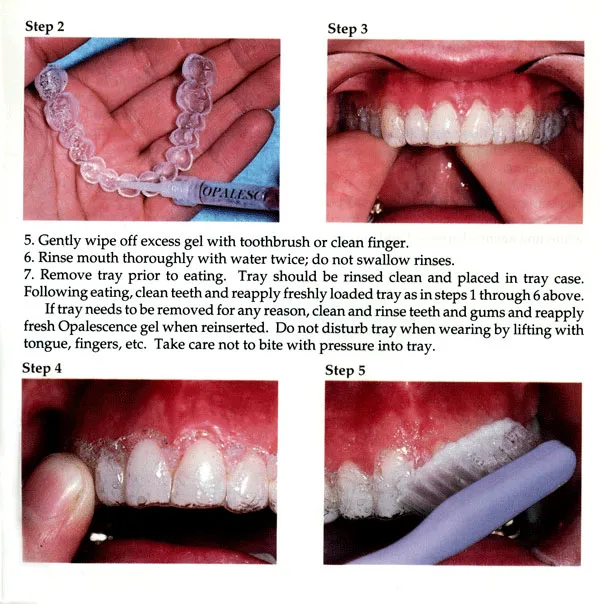
The teeth whitening process with trays involves applying the whitening agent to the tray and inserting the tray into the mouth, ensuring the agent is in contact with the teeth. The tray is worn for the prescribed amount of time, which can range from a few minutes to several hours, depending on the product and the dentist’s instructions. During this time, the whitening agent penetrates the enamel and reacts with the stain molecules. After the recommended treatment time, the tray is removed, and the teeth are rinsed to remove any remaining agent. This process is usually repeated daily for several days or weeks until the desired level of whitening is achieved. Consistency and adherence to instructions are critical for optimal results.
The Role of the Whitening Agent
The whitening agent is the core of the teeth whitening process. The most common agents used are hydrogen peroxide and carbamide peroxide. Hydrogen peroxide is a powerful bleaching agent that directly breaks down stain molecules, while carbamide peroxide breaks down into hydrogen peroxide and urea. The concentration of the whitening agent affects the whitening power and the treatment duration. Higher concentrations typically lead to faster results but may also increase the risk of sensitivity. The effectiveness of the whitening agent is also influenced by the type of tray used. Custom trays, with their better fit, can help maximize the agent’s effectiveness by ensuring optimal contact with the teeth.
Effectiveness of Teeth Whitening Trays
Teeth whitening trays can be highly effective in brightening teeth and removing stains. The degree of whitening varies depending on the type of tray used, the concentration of the whitening agent, and the individual’s oral health. Custom trays, made by a dentist, are generally the most effective because they provide a better fit and allow for a higher concentration of whitening agent. Over-the-counter trays can also produce results, but they might not be as dramatic. It is important to remember that teeth whitening trays are most effective on stains caused by food, drinks, and aging. The results of whitening can be affected by the type of stain, the concentration of the whitening agent and the treatment duration.
Factors Influencing Effectiveness

Several factors influence the effectiveness of teeth whitening trays. The type of stain is an important consideration. Surface stains, caused by coffee, tea, and smoking, respond well to whitening treatments. Internal stains, such as those caused by medications or genetics, may be more resistant. The concentration of the whitening agent plays a crucial role; higher concentrations often yield quicker and more significant results, but may increase the risk of side effects. The duration of treatment, including the time the tray is worn each day and the total treatment period, also influences the outcome. Consistency and adherence to the dentist’s or product instructions are essential for optimal results. Furthermore, the condition of the teeth, including the presence of fillings or crowns, can also influence the whitening outcome.
Benefits of Using Teeth Whitening Trays
Teeth whitening trays offer several benefits, making them a popular choice for people looking to enhance their smiles. The convenience of at-home treatments, improved aesthetics, and potential for increased confidence are key advantages. Compared to professional treatments, at-home tray systems offer more affordability and flexibility, and the process is often more comfortable for the patient. These factors contribute to the trays’ popularity and widespread use. The ability to whiten teeth in the comfort of your home, coupled with significant aesthetic improvements, provides a compelling incentive for many individuals considering cosmetic dentistry options.
Improved Aesthetics
One of the primary benefits of using teeth whitening trays is the improvement in aesthetics. Whitening trays effectively remove stains and discolouration, leading to a brighter, more youthful smile. This cosmetic enhancement can boost self-esteem and make a noticeable difference in overall appearance. A whiter smile can create a positive first impression, making individuals feel more confident in social and professional settings. The transformation achieved through teeth whitening can be dramatic, with results visible in just a few weeks. The improved aesthetics of a whiter smile contribute significantly to a more confident and attractive appearance.
Convenience and Comfort

Teeth whitening trays offer the convenience of at-home treatment, which is a major advantage for many users. Unlike in-office treatments that require multiple visits to the dentist, whitening trays can be used at your convenience, fitting seamlessly into your daily routine. The comfort of using trays at home, without the need to travel or spend extended time in a dental office, makes them a practical option for busy individuals. The ability to whiten your teeth while you’re relaxing at home, watching TV, or working on other tasks makes the process extremely user-friendly and non-intrusive. This flexibility and convenience make teeth whitening trays a preferred choice for many seeking a brighter smile.
Potential Risks and Side Effects
While teeth whitening trays are generally safe, they may have potential side effects and risks. Sensitivity to the whitening agent and gum irritation are the most commonly reported issues. Understanding these potential downsides helps users to make informed decisions and take necessary precautions. Careful adherence to the dentist’s or product instructions is crucial for minimizing these risks and achieving the best possible outcomes. Being aware of potential side effects allows users to manage expectations and seek professional advice if any adverse reactions occur. The risks associated with teeth whitening trays can usually be managed effectively with proper care and guidance.
Sensitivity
Tooth sensitivity is a common side effect of teeth whitening. The bleaching agents in the trays can penetrate the enamel and reach the dentin, causing sensitivity to cold, heat, or pressure. This sensitivity is usually temporary and subsides once the whitening treatment is completed or the concentration of the whitening agent is reduced. Using toothpaste designed for sensitive teeth, avoiding very hot or cold foods and drinks, and using the trays less frequently can help manage this side effect. Your dentist can also recommend products to reduce sensitivity. Proper care and management can help alleviate this side effect and ensure a more comfortable teeth whitening experience.
Gum Irritation

Gum irritation is another potential side effect of teeth whitening trays. This can occur when the whitening agent comes into contact with the gums, causing redness, swelling, and tenderness. Custom trays that fit properly minimize the risk of the whitening agent leaking onto the gums. Over-the-counter trays may not fit as well and may increase the risk of gum irritation. To prevent gum irritation, carefully follow the instructions, avoid overfilling the trays, and ensure the tray fits properly. Rinsing the mouth after each treatment and brushing gently can also help. If irritation occurs, discontinue use and consult your dentist for advice and potential remedies.
How to Use Teeth Whitening Trays Safely
Using teeth whitening trays safely involves following several important steps to ensure effective whitening while minimizing risks. Consulting with your dentist before starting any whitening treatment is the first step. Following instructions, including the recommended duration and frequency of use, is also essential. Taking these precautions ensures that you get the best possible results while protecting your oral health. Proper use of teeth whitening trays contributes to the success of the treatment and helps prevent potential complications. Being informed and careful about the process ensures a positive teeth whitening experience.
Consulting Your Dentist
Consulting your dentist before starting any teeth whitening treatment is strongly recommended. Your dentist can assess your oral health, determine if teeth whitening is suitable for you, and recommend the best treatment option. They can also provide custom-fitted trays, which offer a more effective and safer whitening experience. The dentist can identify any existing dental issues, such as cavities or gum disease, which need to be addressed before whitening. They can also advise on the appropriate concentration of the whitening agent and the duration of treatment, based on your specific needs. A professional consultation ensures that the whitening process is tailored to your individual situation, maximizing results while minimizing risks.
Following Instructions

Following the instructions provided by your dentist or the product packaging is critical for safe and effective use of teeth whitening trays. This includes the recommended application time, frequency of use, and the concentration of the whitening agent. Overuse or exceeding the recommended treatment duration can increase the risk of sensitivity and gum irritation. Proper application techniques, such as ensuring the tray is correctly fitted and avoiding excessive amounts of whitening agent, are important. Adhering to the instructions ensures the best possible whitening results while minimizing potential side effects. If you experience any adverse reactions, such as increased sensitivity or gum irritation, stop using the trays and consult your dentist.
Maintaining Results
Maintaining the results of teeth whitening requires ongoing care and attention. This involves adopting healthy oral hygiene habits and making lifestyle choices to prevent stains and discolouration from returning. Regular dental check-ups and professional cleanings play a vital role in preserving the results of your teeth whitening treatment. Avoid consuming excessive amounts of stain-causing foods and drinks, such as coffee, tea, red wine, and dark-colored berries. The results of teeth whitening are influenced by factors such as diet and oral care, and maintaining the results ensures your brighter smile stays radiant for a long time.
- Brush your teeth twice daily with a whitening toothpaste.
- Floss daily to remove plaque and food particles.
- Consider using a straw for beverages that can stain your teeth.
- Quit smoking to prevent stains.
- Schedule regular dental check-ups and cleanings.
In conclusion, teeth whitening trays can be an effective way to brighten your smile. Custom trays, made by your dentist, typically offer the best results, but even over-the-counter options can make a noticeable difference. By understanding the types of trays, how they work, and the potential benefits and risks, you can make an informed decision about whether teeth whitening trays are right for you. Always consult your dentist before starting any whitening treatment and follow instructions carefully for safe and effective results. With proper care and maintenance, you can enjoy a brighter, more confident smile for years to come.