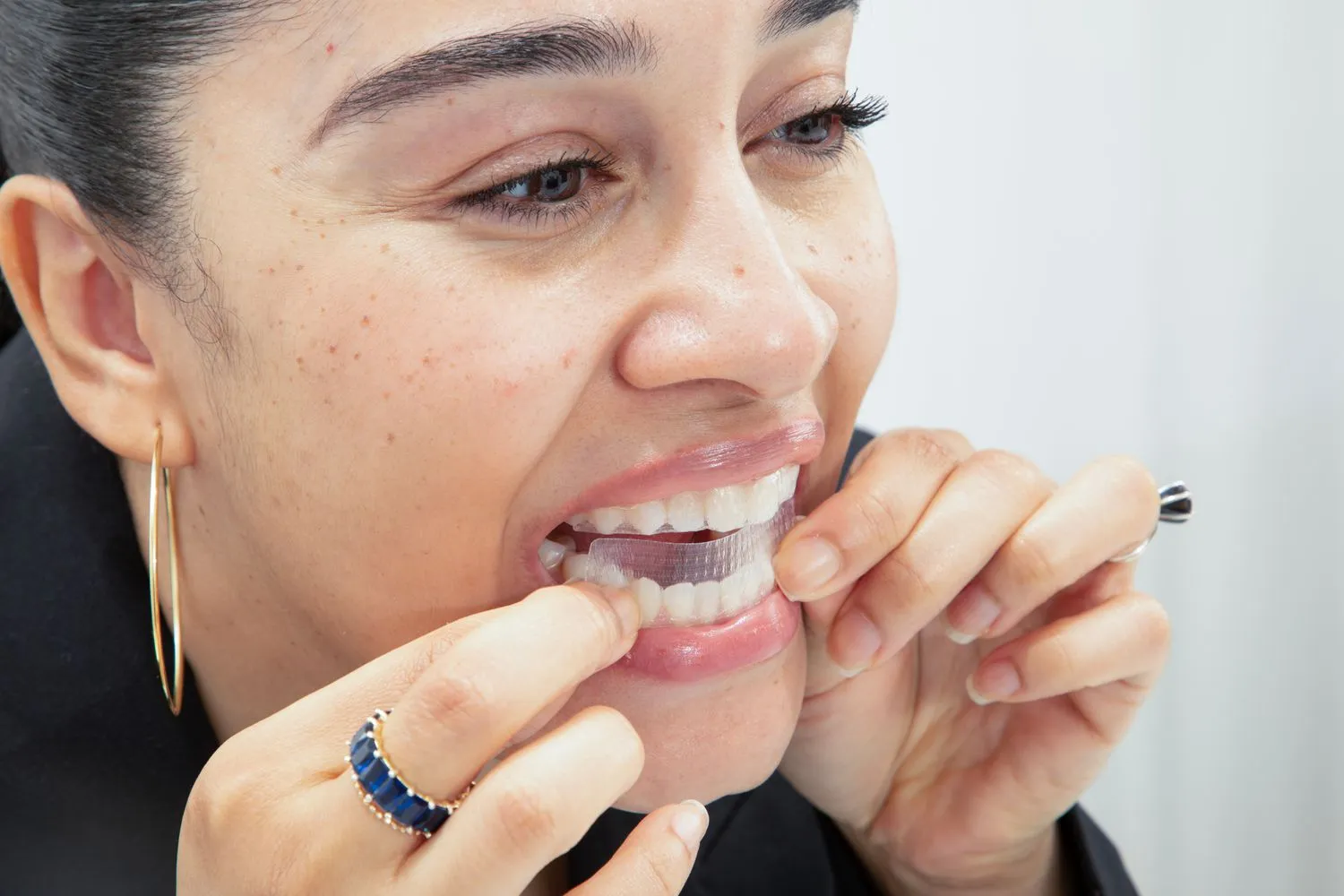
Teeth Whitening Strips What They Are
Teeth whitening strips have revolutionized the way people approach at-home teeth whitening. These thin, flexible strips are coated with a whitening agent and are designed to be applied directly to the teeth. They offer a convenient, affordable, and relatively easy-to-use method for achieving a brighter smile. The popularity of these strips stems from their accessibility and the promise of noticeable results within a short period. Unlike professional whitening treatments, whitening strips can be purchased over the counter, making them readily available to anyone looking to enhance their smile. The strips typically adhere to the teeth, ensuring the whitening agent comes into direct contact with the enamel. This direct application helps to break down stains and discoloration caused by various factors like coffee, tea, tobacco, and aging, leading to a visibly whiter appearance.
The Active Ingredients in Whitening Strips
The effectiveness of teeth whitening strips largely depends on the active ingredients they contain. The two primary agents responsible for the whitening action are hydrogen peroxide and carbamide peroxide. These chemicals work by penetrating the enamel and breaking down the stain molecules that cause discoloration. The concentration of these ingredients varies depending on the brand and the strength of the strips. Higher concentrations often lead to faster results, but they can also increase the likelihood of side effects like tooth sensitivity. Understanding the role of these active ingredients is crucial for anyone considering using teeth whitening strips, as it helps in setting realistic expectations and making informed choices about the product. It’s also important to consider the overall formulation of the strips, as the inactive ingredients play a significant role in the strip’s adherence to the teeth and the uniform distribution of the active whitening agents.
Hydrogen Peroxide The Powerhouse Whitening Agent

Hydrogen peroxide is one of the most common active ingredients found in teeth whitening strips, acting as a powerful oxidizing agent. It works by releasing oxygen molecules that penetrate the enamel and dentin, the layers beneath the enamel, to break down stain molecules. This process effectively lightens the color of the teeth and reduces the appearance of discoloration. The concentration of hydrogen peroxide can vary, with over-the-counter strips typically containing lower concentrations compared to professional treatments. Higher concentrations can provide quicker whitening results, but they may also increase the risk of tooth sensitivity and gum irritation. The efficacy of hydrogen peroxide is well-established, making it a go-to ingredient for many teeth whitening products. Users should carefully follow the instructions provided with the strips to minimize any potential side effects and maximize the whitening benefits.
Carbamide Peroxide An Alternative Whitening Agent
Carbamide peroxide is another active ingredient used in teeth whitening strips, functioning as a precursor to hydrogen peroxide. When carbamide peroxide comes into contact with water, it breaks down into hydrogen peroxide and urea. This slow release of hydrogen peroxide offers a gentler approach to whitening, which can be beneficial for individuals with sensitive teeth. While carbamide peroxide may take slightly longer to produce visible results compared to hydrogen peroxide, it often results in less sensitivity. The concentration of carbamide peroxide also varies in whitening strips, impacting the overall effectiveness and the potential for side effects. This ingredient provides an alternative option for those seeking a balance between effective whitening and the minimization of tooth sensitivity, making it a versatile choice for various users.
Other Ingredients in Whitening Strips
Besides the active whitening agents, teeth whitening strips also contain a range of inactive ingredients that play crucial roles in the product’s functionality and safety. These ingredients contribute to the strip’s structure, adhesion to the teeth, and the overall user experience. Some of these ingredients help the strip adhere to the teeth, ensuring the whitening agent remains in contact with the enamel for the required duration. Others act as stabilizers or preservatives, prolonging the shelf life and maintaining the efficacy of the active ingredients. Furthermore, some ingredients are included to enhance the flavor of the strips, making the whitening process more palatable for the user. The combination and proportion of these inactive ingredients can vary depending on the brand and the specific formulation, influencing factors like strip flexibility, taste, and the potential for irritation.
The Role of Polyethylene in Whitening Strips

Polyethylene is a common ingredient in teeth whitening strips, acting primarily as a film-forming agent. This polymer is used to create the thin, flexible strip that adheres to the teeth and holds the whitening agent in place. Polyethylene’s flexibility allows the strip to conform to the shape of the teeth, ensuring even distribution of the whitening agent and maximum contact with the enamel. This material is also known for its inert nature, meaning it doesn’t react with the active ingredients or the tooth enamel. It provides a stable and reliable base for the whitening formula. The choice of polyethylene and the way it’s formulated significantly impact the comfort of the user and the effectiveness of the whitening process. Well-designed strips provide a secure and comfortable fit, allowing the active ingredients to work efficiently while minimizing any irritation.
How Whitening Strips Work
The whitening process with strips involves several key steps, beginning with the application of the strip to the teeth. Once the strip is correctly placed, the active whitening agent, either hydrogen peroxide or carbamide peroxide, starts to penetrate the enamel. These agents break down the stain molecules that cause discoloration, effectively lightening the teeth. The length of time the strips remain on the teeth and the frequency of use depend on the product’s instructions and the desired level of whitening. Over time, the repeated application of the whitening agent leads to a noticeable change in the shade of the teeth. The process works best on surface stains and is less effective on intrinsic stains caused by certain medications or dental conditions. Consistent use, as directed, is key to achieving and maintaining the desired results. It’s crucial to follow the instructions carefully to avoid over-whitening or other potential side effects, ensuring both effectiveness and safety.
The Whitening Process Unveiled
The whitening process begins with the application of the strip to the teeth, ensuring good contact with the enamel surface. The active ingredients then start to penetrate the enamel, the outer layer of the tooth, and break down the stain molecules. This process is essentially an oxidation reaction, where the oxygen molecules released by hydrogen peroxide or carbamide peroxide disrupt the bonds that hold the stain molecules together. This action effectively lightens the color of the teeth, reducing the appearance of yellowing or other discoloration. The intensity of the process depends on the concentration of the active ingredient and the duration of the application. Over the course of a few days or weeks, regular use of the strips leads to a brighter, whiter smile. The effectiveness can vary based on the type and severity of the stains, as well as individual factors such as tooth enamel thickness and porosity.
The Effectiveness of Whitening Strips

The effectiveness of teeth whitening strips is a significant factor when considering their use. Generally, these strips are quite effective at removing surface stains caused by factors such as coffee, tea, and tobacco. They can significantly improve the shade of your teeth, leading to a brighter and more attractive smile. The results often become noticeable within a few days of consistent use, with maximum whitening achieved after several weeks. However, it’s important to manage your expectations. Whitening strips are most effective on extrinsic stains, or stains that occur on the surface of the teeth. They may not be as effective on intrinsic stains, which are stains within the tooth structure, often caused by certain medications or dental conditions. Also, the degree of whitening varies from person to person, depending on factors like the natural shade of your teeth and the severity of the existing stains. The key to getting the best results is to follow the instructions provided carefully and maintain good oral hygiene.
Factors Influencing Results
Several factors can influence the effectiveness of teeth whitening strips. The type and severity of the stains present on your teeth are critical. Surface stains, often caused by food and drinks, respond well to whitening strips. Deeper, intrinsic stains may be more resistant. The concentration of the active whitening agent also plays a significant role; higher concentrations often lead to faster and more dramatic results, but also potentially increase sensitivity. The duration of use, as specified in the product instructions, is also important. Consistent and correct application is essential to achieving the desired level of whitening. Individual factors, such as the natural shade of your teeth, the porosity of your enamel, and your oral hygiene habits, also have an impact. Genetics and lifestyle choices, like smoking and diet, can affect the longevity of the whitening results. Understanding these factors helps in setting realistic expectations and optimizing your whitening experience.
Safety and Side Effects of Teeth Whitening Strips
While generally safe when used as directed, teeth whitening strips can sometimes cause side effects. The most common side effect is tooth sensitivity, which can manifest as a sharp, temporary pain when consuming hot or cold foods and drinks. This sensitivity usually subsides shortly after you stop using the strips. Gum irritation is another potential side effect, appearing as redness or soreness along the gumline where the strips come into contact. This irritation is often caused by the whitening agent leaking onto the gums. Following the product instructions carefully and avoiding contact with the gums can help minimize these side effects. It’s also recommended to consult with a dentist before using whitening strips, especially if you have sensitive teeth, gum disease, or any other underlying dental issues. Using the strips incorrectly or excessively can increase the risk of adverse effects.
Potential Side Effects

The most common side effects associated with teeth whitening strips are tooth sensitivity and gum irritation. Tooth sensitivity can be caused by the hydrogen peroxide or carbamide peroxide penetrating the enamel and affecting the nerves within the teeth. This can lead to temporary discomfort when consuming hot or cold items. Gum irritation, on the other hand, can occur if the whitening agent comes into contact with the gum tissue, causing redness, swelling, or soreness. Both of these side effects are usually temporary and subside after discontinuing the use of the strips. In rare cases, some users may experience other side effects, such as changes in the texture or color of their teeth. It’s important to consult with a dentist if you experience any severe or persistent side effects to rule out any underlying dental issues.
Are Teeth Whitening Strips Right for You?
Deciding whether teeth whitening strips are right for you involves considering several factors. These strips are a convenient and affordable option for many, particularly those looking to improve their smile at home. However, if you have sensitive teeth or gum disease, you should consult with your dentist before starting. Whitening strips are most effective for surface stains caused by everyday consumption of coffee, tea, or smoking. If you have intrinsic stains, the result may not be as dramatic. It’s also important to consider your lifestyle and commitment to oral hygiene. The best results are achieved with consistent use and following the instructions carefully. If you’re looking for a quick and easy way to brighten your smile and are not prone to sensitivity, teeth whitening strips can be a suitable choice. Always prioritize your oral health, and seek professional advice when in doubt.