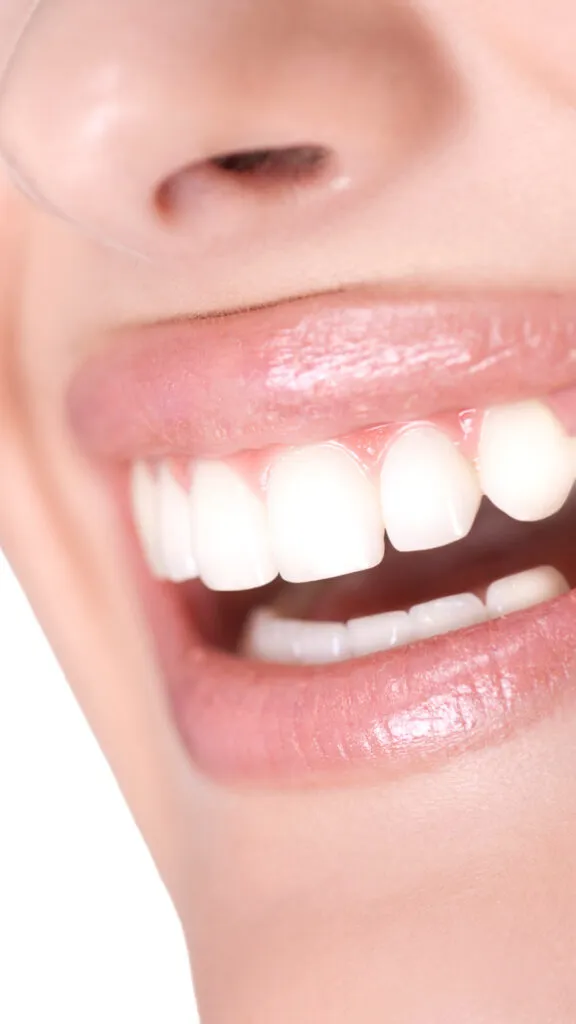
Teeth whitening is a popular cosmetic procedure that can dramatically improve your smile. However, a common side effect is teeth sensitivity. This discomfort can range from mild twinges to sharp, intense pain. Fortunately, there are numerous effective ways to manage and stop teeth sensitivity after whitening, allowing you to enjoy your brighter smile without the added pain. This article explores the causes of teeth sensitivity, immediate relief methods, long-term strategies, and when to seek professional help.
Understanding Teeth Whitening Sensitivity
Teeth sensitivity after whitening is a temporary condition where your teeth become more susceptible to sensations like cold, heat, sweets, and pressure. This occurs because the whitening agents, typically hydrogen peroxide or carbamide peroxide, penetrate the enamel to break down stain molecules. This process can cause irritation to the nerves and blood vessels inside your teeth, leading to sensitivity. Understanding the underlying causes of sensitivity is the first step in finding effective solutions and preventing future issues. The intensity of the sensitivity can vary greatly from person to person and is often related to individual tooth structure, existing dental conditions, and the whitening method used.
What Causes Sensitivity After Whitening
The Whitening Process and Tooth Sensitivity

The primary cause of sensitivity is the bleaching agents used in teeth whitening. These agents, which are designed to break down stain molecules, can also affect the enamel and dentin. Enamel is the hard outer layer of your teeth, while dentin is the layer beneath the enamel containing microscopic tubules that lead to the nerve center of the tooth. When the whitening agent penetrates these layers, it can irritate the nerves and cause sensitivity. The higher the concentration of the whitening agent and the longer it is in contact with the teeth, the greater the potential for sensitivity. Furthermore, individuals with naturally thin enamel or existing dental issues are often more prone to experiencing sensitivity.
Common Symptoms of Teeth Sensitivity
The symptoms of teeth sensitivity after whitening can vary in intensity, but they often include sharp, sudden pain when exposed to cold air, cold or hot foods and drinks, or sweets. Some individuals also experience sensitivity when brushing their teeth or flossing. The pain may be intermittent or constant, depending on the severity of the sensitivity and the individual’s pain threshold. Other symptoms can include a dull ache in the teeth or gums, especially after the whitening treatment. Being aware of these symptoms can help you take the necessary steps to manage the discomfort and ensure the health of your teeth.
Immediate Relief Methods
When you experience teeth sensitivity after whitening, immediate relief is crucial for comfort. Several methods can provide quick respite from the discomfort, allowing you to continue enjoying your brighter smile. These immediate solutions are designed to soothe the nerves and reduce inflammation, providing temporary relief until more long-term strategies can take effect. The key is to act quickly and consistently when sensitivity flares up to minimize its impact and maintain oral comfort.
Using Desensitizing Toothpaste

Desensitizing toothpastes are specifically designed to block the pathways that transmit pain signals from your teeth to your brain. They typically contain ingredients like potassium nitrate or stannous fluoride, which help to plug the dentinal tubules, reducing sensitivity. To use desensitizing toothpaste effectively, brush your teeth with it twice a day, and allow the toothpaste to stay on your teeth for a few minutes before rinsing. Consistent use is key to experiencing the full benefits of these toothpastes. You may start noticing an improvement in your sensitivity within a few days, but it can take several weeks for the full effect to become apparent. Choose a toothpaste that is made for sensitive teeth and consult your dentist for the best recommendation.
How Desensitizing Toothpaste Works
Desensitizing toothpastes work by either blocking the nerve signals directly or by plugging the small tubules in your dentin that lead to the tooth’s nerve. Potassium nitrate is a common ingredient that helps to calm the nerve endings, reducing the sensation of pain. Stannous fluoride, another popular ingredient, helps to block the tubules, preventing stimuli from reaching the nerve. These toothpastes create a protective barrier, making your teeth less reactive to external stimuli like temperature changes or pressure. Regular use of these toothpastes helps to strengthen the teeth and reduce sensitivity over time, providing lasting comfort. Be sure to check for any allergens or other ingredients that might cause irritation.
Proper Brushing Techniques for Sensitive Teeth
The way you brush your teeth can significantly impact sensitivity. Using a soft-bristled toothbrush is essential, as hard bristles can wear away enamel and irritate the gums, increasing sensitivity. Brush gently, using small circular motions, and avoid applying excessive pressure. Brushing too hard can also push the gums back, exposing more of the sensitive root surfaces of your teeth. Brush for about two minutes, ensuring you reach all areas of your mouth. Consider using a toothbrush with a built-in timer and pressure sensor to help you maintain the proper brushing technique. Avoid brushing immediately after consuming acidic foods or drinks, as your enamel is more vulnerable during that period. This careful approach to oral hygiene will minimize irritation and help alleviate sensitivity.
Avoiding Irritants

Certain substances can exacerbate teeth sensitivity. Avoid or limit the consumption of acidic foods and drinks, such as citrus fruits, carbonated beverages, and vinegar-based products. These items can erode enamel, making your teeth more sensitive. Also, avoid whitening toothpastes and mouthwashes, especially those containing alcohol, which can irritate the mouth and increase sensitivity. If you use a mouthwash, opt for an alcohol-free version that is specifically designed for sensitive teeth. Be cautious with whitening products and follow the instructions carefully. Any product that is causing irritation should be stopped immediately to prevent worsening sensitivity. By avoiding these irritants, you provide your teeth the best chance to recover and minimize discomfort.
Long-Term Strategies for Managing Sensitivity
While immediate relief methods can provide temporary comfort, long-term strategies are essential for managing and preventing teeth sensitivity after whitening. These strategies focus on choosing the right products, maintaining good oral hygiene, and making lifestyle adjustments. Adopting these practices will not only help alleviate current sensitivity but also protect your teeth from future issues, ensuring a healthier, more comfortable smile. Consistency and discipline are crucial to seeing lasting benefits. Consulting with your dentist regularly will help you keep your teeth in the best condition.
Choosing the Right Whitening Products
The type of whitening products you use can greatly influence the level of sensitivity you experience. If you’re prone to sensitivity, consider using lower-concentration whitening agents or products specifically designed for sensitive teeth. Look for products containing potassium nitrate or fluoride, as these ingredients help to strengthen enamel and reduce sensitivity. Before you begin any whitening treatment, consult your dentist to determine the best approach for your individual needs. They can advise on the most suitable products and methods to minimize sensitivity while still achieving the desired results. Be wary of products that promise extremely quick results, as they may contain higher concentrations of whitening agents, leading to more significant sensitivity.
Professional Whitening vs At-Home Kits

Professional teeth whitening, performed by a dentist, often uses stronger whitening agents but also includes protective measures to minimize sensitivity. Your dentist can apply a fluoride treatment or desensitizing agents immediately after the whitening procedure. They can also monitor your teeth and gums for any signs of irritation. At-home whitening kits, which are available over-the-counter or prescribed by your dentist, typically contain lower concentrations of whitening agents. These kits often come with custom-fitted trays to ensure even application and reduce the risk of sensitivity. If you choose an at-home kit, follow the instructions carefully and consult with your dentist if you experience significant sensitivity. Your dentist can guide you on the best way to use the kit, and monitor your progress to provide you with the best result with minimal sensitivity.
Maintaining Good Oral Hygiene
Proper oral hygiene is crucial for overall dental health, and it plays a significant role in managing teeth sensitivity. Brush your teeth twice a day with a soft-bristled toothbrush, using gentle, circular motions to avoid damaging enamel. Floss daily to remove plaque and food particles from between your teeth. Consider using an electric toothbrush with a pressure sensor to ensure you’re not brushing too hard. Rinse your mouth with an alcohol-free fluoride mouthwash to strengthen your enamel and protect against sensitivity. Regular dental cleanings and check-ups are also essential for maintaining optimal oral health. These hygiene habits help keep your teeth clean, healthy, and less prone to sensitivity.
Regular Dental Check-ups
Regular dental check-ups are vital for monitoring your oral health and addressing any issues that could contribute to sensitivity. Your dentist can identify and treat problems like cavities, gum disease, and enamel erosion, which can worsen sensitivity. During your check-up, your dentist can also apply fluoride treatments to strengthen your enamel and reduce sensitivity. They can provide personalized advice on oral hygiene practices and recommend products specifically designed for sensitive teeth. Regular visits also allow your dentist to catch any issues early, before they cause more significant problems. Schedule check-ups every six months or as recommended by your dentist to keep your teeth healthy and comfortable.
Lifestyle Adjustments

Making certain lifestyle adjustments can significantly impact teeth sensitivity. These adjustments can help you manage your sensitivity, improve your overall oral health, and extend the life of your brighter smile. By integrating these changes into your daily routine, you can take proactive steps to maintain healthy and comfortable teeth. These steps emphasize preventative measures and mindful choices to keep your teeth at their best.
Dietary Considerations
Your diet plays a crucial role in the health of your teeth and gums. Incorporate a balanced diet rich in calcium, phosphorus, and vitamin D, which are essential for strong enamel. These nutrients can help to fortify your teeth, making them less prone to sensitivity. Limit your intake of sugary and acidic foods, which can erode enamel and increase sensitivity. Drink plenty of water throughout the day to stay hydrated and help wash away food particles and bacteria. A healthy diet also supports overall oral health, reducing the risk of dental issues that can contribute to sensitivity. Paying close attention to your diet will help you maintain a healthy and comfortable smile.
Foods and Drinks to Avoid
Some foods and drinks can worsen teeth sensitivity. Avoid or limit the consumption of highly acidic foods and beverages, such as citrus fruits, tomatoes, pickles, and carbonated drinks. These can erode the enamel, causing sensitivity. Reduce your intake of sugary foods and drinks, which can contribute to tooth decay and increase sensitivity. Coffee and tea can also stain your teeth and contribute to sensitivity, so consume them in moderation. If you do consume these items, rinse your mouth with water afterward to help neutralize the acids. Be mindful of what you eat and drink, and make informed choices to protect your teeth.
Home Remedies and Natural Solutions

Besides the conventional methods, several home remedies and natural solutions can provide relief from teeth sensitivity. These remedies often involve readily available ingredients and are gentle enough for everyday use. While these remedies can be effective for mild to moderate sensitivity, they should not replace professional dental care. Consult with your dentist before trying any new home remedies to make sure they are right for you. Combining natural remedies with good oral hygiene practices can help you maintain a healthy and comfortable smile.
Saltwater Rinses
Saltwater rinses are a simple yet effective home remedy for soothing sensitive teeth. Salt has natural antibacterial properties and can help reduce inflammation. To make a saltwater rinse, dissolve a teaspoon of salt in a cup of warm water. Swish the solution around your mouth for about 30 seconds, then spit it out. Avoid swallowing the solution. Repeat this process several times a day, especially after brushing or eating. Saltwater rinses can help soothe irritated gums and provide relief from sensitivity. This simple remedy is a safe and effective way to manage discomfort at home, but it is not a substitute for professional dental care.
Using Clove Oil
Clove oil has natural analgesic and antiseptic properties, making it a useful home remedy for tooth sensitivity. It contains eugenol, which can numb the nerves and provide relief from pain. To use clove oil, apply a small amount directly to the sensitive tooth or area using a cotton swab. Avoid swallowing the oil. You can also dilute clove oil with a carrier oil like olive oil before applying it to your teeth. Clove oil can provide immediate relief and is especially helpful for reducing discomfort caused by whitening. However, use it sparingly, and discontinue if you experience any adverse reactions. It is a great temporary solution, but should not replace a visit to the dentist.
When to Seek Professional Help

While many home remedies and over-the-counter products can effectively manage teeth sensitivity, there are instances when professional help is necessary. Persistent or severe sensitivity, despite trying various remedies, indicates the need for a dental check-up. If the sensitivity is accompanied by other symptoms such as toothache, swelling, or bleeding gums, it’s essential to seek immediate dental care. These could be signs of a more serious underlying problem, such as a cavity, gum disease, or cracked tooth. Your dentist can diagnose the cause of the sensitivity and recommend appropriate treatment. Regular dental check-ups are crucial to identify and address any potential issues early on, ensuring your teeth remain healthy and comfortable. Always consult with a dentist if your sensitivity worsens or does not improve with home care.
In conclusion, teeth sensitivity after whitening is a common issue, but it is manageable with the right approach. By understanding the causes, using immediate relief methods, adopting long-term strategies, and knowing when to seek professional help, you can effectively stop and manage sensitivity. Combining proper oral hygiene, choosing the right products, making dietary adjustments, and considering home remedies can help you enjoy the benefits of a brighter smile without the discomfort of sensitivity. Always consult with your dentist for personalized advice and treatment to ensure optimal oral health.