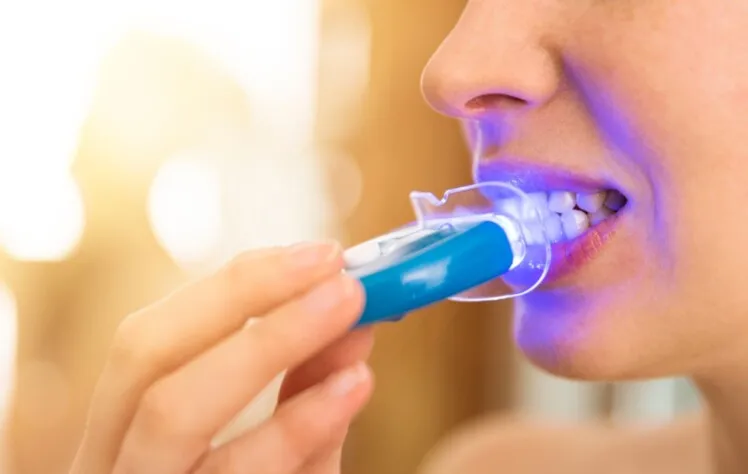
Why Teeth Whitening Preparation Matters
Embarking on a teeth whitening journey is an exciting step towards a brighter, more confident smile. However, before you dive into the world of whiter teeth, proper preparation is key. The success and longevity of your teeth whitening treatment heavily depend on how well you prepare your teeth and gums. This guide will unveil the secrets to effective preparation, ensuring you achieve the best possible results and minimize any potential discomfort or complications. Understanding the importance of preparation is the first step toward a successful and satisfying teeth whitening experience. By taking the time to prepare, you’re not just enhancing the effectiveness of the whitening process, but also safeguarding the health and longevity of your newly brightened smile.
Understanding Your Teeth Whitening Options
Before you begin preparing for teeth whitening, it’s important to understand the various options available. The choices range from professional treatments administered by a dentist to over-the-counter (OTC) products. Each method has its pros and cons, and the best option for you will depend on your specific needs, budget, and the extent of whitening you desire. Understanding the different types of whitening treatments empowers you to make an informed decision, ensuring you choose the method that aligns best with your goals and oral health. Considering the pros and cons of each method, you can make a well-informed choice that leads to a brighter, more confident smile.
Professional Teeth Whitening vs. At-Home Kits

Professional teeth whitening, typically performed by a dentist, involves stronger bleaching agents and often produces more dramatic results in a shorter timeframe. These treatments are usually conducted in the dental office, where your dentist can monitor your progress and address any sensitivity or complications. At-home kits, on the other hand, are available over-the-counter and provide a more budget-friendly alternative. They typically involve custom-fitted trays or strips, and the results are gradual. However, at-home kits may not be as effective for severe staining and require more patience. Your dentist can help you determine which option is best suited for your oral health needs.
Consulting Your Dentist
A crucial step in preparing for teeth whitening is consulting with your dentist. Your dentist will assess your overall oral health, identify any underlying issues that could affect the whitening process, and recommend the most suitable treatment option. This consultation is not just a formality; it’s a critical step in ensuring the safety and effectiveness of your teeth whitening journey. A professional assessment from your dentist ensures your teeth are healthy enough for the whitening procedure and that you achieve the best possible outcome. Your dentist will provide personalized advice and guidance based on your individual needs.
Dental Examination and Cleaning
Before undergoing any teeth whitening treatment, a thorough dental examination and cleaning are essential. Your dentist will check for cavities, gum disease, and other oral health issues that need to be addressed before whitening. Cleaning removes plaque and tartar, allowing the whitening agents to penetrate the enamel more effectively. Ignoring these preliminary steps can lead to uneven results and potential complications. A clean bill of oral health is the foundation of a successful and safe teeth whitening experience. Ensure a smooth and effective whitening experience by starting with a professional cleaning and check-up.
Discussing Your Expectations and Goals

During your consultation, it’s important to discuss your expectations and goals with your dentist. Whitening results vary depending on the type of staining, the chosen whitening method, and your natural tooth color. Your dentist can provide realistic expectations and help you understand what you can achieve. This open communication helps you avoid disappointment and ensures you’re satisfied with the outcome. Clearly communicating your expectations helps your dentist tailor the treatment to your specific needs and desired results. Understanding the limitations and potential outcomes beforehand sets the stage for a positive and successful teeth whitening experience.
Top 5 Secrets to Prepare for Teeth Whitening
Now that you understand the importance of preparation and the options available, let’s delve into the top 5 secrets to prepare for teeth whitening. Following these tips will maximize the effectiveness of your treatment, minimize potential sensitivity, and help you achieve a dazzling, long-lasting smile. These secrets are designed to guide you through the preparation process, ensuring a smooth and successful whitening experience. By implementing these steps, you are investing in the health and appearance of your smile. Ready to unveil the secrets to a brighter smile? Let’s dive in!
Secret 1 Optimize Your Oral Hygiene Routine
A solid oral hygiene routine is the cornerstone of successful teeth whitening. Start by brushing your teeth at least twice a day with a fluoride toothpaste. Floss daily to remove plaque and food particles from between your teeth and along the gum line. Regular brushing and flossing not only keep your teeth clean but also help remove surface stains, allowing the whitening agents to work more effectively. A consistent oral hygiene regimen is a fundamental aspect of oral health, which can enhance your whitening results and protect your teeth from future staining and dental problems. Consistency is key in keeping your teeth and gums in optimal condition for a brighter smile.
Brushing and Flossing Regularly

Brushing and flossing are the dynamic duo of oral hygiene. Brushing removes food particles and plaque, while flossing reaches areas that your toothbrush can’t access. Make sure to brush for two minutes each time, using gentle, circular motions. Floss carefully, ensuring you reach between all teeth and below the gum line. This comprehensive approach ensures your teeth are clean and your gums are healthy, creating the ideal environment for whitening. Proper brushing and flossing not only enhance your whitening results but also contribute to your overall dental health. Make brushing and flossing a non-negotiable part of your daily routine.
Using a Whitening Toothpaste
Incorporating a whitening toothpaste into your daily routine can further enhance your preparation. Whitening toothpastes contain mild abrasives that help remove surface stains. However, be mindful of their overuse, as excessive abrasion can wear down enamel. Choose a toothpaste that is gentle and suitable for your teeth’s sensitivity. Using a whitening toothpaste is a great supplementary step, but it should not replace professional whitening treatments if you desire more dramatic results. When used correctly, whitening toothpaste can contribute to the overall brightness of your teeth and help maintain your smile’s brilliance.
Secret 2 Watch Your Diet
Your diet plays a significant role in the success of your teeth whitening treatment. Certain foods and drinks can stain your teeth, potentially undoing your whitening efforts. Be mindful of what you consume during the preparation phase and, especially, immediately after the treatment. Making informed dietary choices can protect the investment in your smile. By staying aware of what you eat and drink, you can ensure your teeth whitening results last longer and your smile remains bright and beautiful.
Foods and Drinks to Avoid

Certain foods and drinks are notorious for staining teeth. These include coffee, tea, red wine, dark-colored sodas, berries (such as blueberries and strawberries), and tomato-based sauces. These items contain chromogens, which can stain the enamel. Minimizing or avoiding these foods and drinks, especially in the days leading up to your whitening treatment and immediately after, will help prevent staining and optimize your results. By carefully monitoring your diet, you protect the color of your teeth.
Foods and Drinks to Consume
While some foods and drinks are best avoided, others can help maintain your white smile. Consume plenty of water to stay hydrated and rinse away food particles. Dairy products, such as milk and yogurt, can strengthen your teeth. Crunchy fruits and vegetables, like apples and celery, can help remove surface stains. These foods can act as natural cleansers, keeping your teeth and mouth healthy. Integrating these foods into your diet will help to optimize the effects of your teeth whitening treatment. Making informed food choices ensures that your teeth stay healthy and white.
Secret 3 Address Existing Dental Issues
Before undergoing teeth whitening, it’s important to address any existing dental issues. Cavities, gum disease, and other problems can affect the whitening process and potentially cause complications. Treating these issues ensures the health of your teeth and gums. This step ensures a smooth and successful teeth whitening experience, minimizing any potential discomfort. Addressing these issues before whitening is a responsible and proactive step toward achieving a healthy, beautiful smile.
Treating Cavities or Gum Disease

Cavities and gum disease can impact the effectiveness and safety of teeth whitening. Whitening agents can penetrate cavities and cause further damage. Gum disease can lead to increased sensitivity and discomfort. Therefore, it’s crucial to have any cavities filled and gum disease treated before undergoing teeth whitening. Your dentist can address these issues, ensuring your mouth is healthy before you begin whitening. By taking care of these dental problems, you’re preparing your teeth for the best possible results.
Addressing Sensitivity
Some people experience tooth sensitivity during and after teeth whitening. If you have a history of sensitive teeth, discuss this with your dentist. They may recommend treatments like fluoride applications or desensitizing toothpaste to minimize discomfort. Addressing sensitivity proactively can make your whitening experience more comfortable. Taking the right steps can help alleviate any potential pain. This will allow you to get the results you desire with minimal discomfort.
Secret 4 Prepare for Potential Sensitivity
Teeth whitening can sometimes cause temporary sensitivity. Preparing for this potential side effect can make your experience much more manageable. You don’t want to be caught off guard by any sensitivity. By understanding the potential for sensitivity, you can take the necessary steps to alleviate any discomfort and ensure you enjoy the process. By taking precautionary measures, you can still achieve a brighter smile while managing your comfort.
Using Sensitivity Toothpaste

Using sensitivity toothpaste for a few weeks before your teeth whitening treatment can help desensitize your teeth. These toothpastes contain ingredients that block the pathways to the nerves in your teeth, reducing sensitivity. Start using sensitivity toothpaste a couple of weeks before your treatment to allow it to take effect. This step is a proactive measure that can significantly reduce discomfort during and after whitening. Using sensitivity toothpaste provides a safeguard against potential discomfort. Taking this proactive step contributes to a comfortable whitening experience.
Avoiding Extreme Temperatures
Extreme temperatures can exacerbate tooth sensitivity. Avoid consuming very hot or cold foods and drinks, especially in the days leading up to and following your whitening treatment. This helps minimize any discomfort. Avoiding extreme temperatures is a simple, yet effective, way to reduce sensitivity. By taking this precaution, you’re ensuring a more comfortable teeth whitening experience.
Secret 5 Follow Post-Whitening Care Instructions
Proper aftercare is crucial to maintaining your white smile. Following your dentist’s instructions ensures that you protect your results and keep your teeth healthy. Following all post-whitening care instructions can significantly extend the life of your brighter smile. Committing to this post-whitening care protects the beauty of your smile and contributes to your long-term oral health. The work doesn’t stop with the treatment; it continues with how you care for your teeth in the following days, weeks, and months.
Maintaining a White Smile
To maintain your white smile, continue practicing excellent oral hygiene. This includes brushing twice a day, flossing daily, and using a whitening toothpaste. Avoiding staining foods and drinks, or consuming them in moderation, can also help. Regular maintenance ensures that your smile remains bright and beautiful. You are essentially protecting the results and making sure that your investment in a brighter smile lasts as long as possible.
Regular Dental Check-ups
Regular dental check-ups and cleanings are essential for maintaining your oral health and the brightness of your smile. Your dentist can monitor your teeth and gums, address any potential issues, and provide professional cleaning to remove any surface stains. Regular check-ups and cleanings will help you stay ahead of any potential problems. With proper care and diligence, your bright, white smile will last and continue to bring you confidence and joy.
Conclusion
Preparing for teeth whitening is a multi-faceted process that significantly impacts the final outcome. By understanding the different whitening options, consulting your dentist, optimizing your oral hygiene, being mindful of your diet, and addressing any existing dental issues, you’re setting the stage for success. Remember to follow your dentist’s instructions, and prioritize post-whitening care. With proper preparation and care, you can achieve a dazzling, long-lasting smile that boosts your confidence and brightens your world. The journey to a brighter smile begins with preparation and ends with a confident grin.