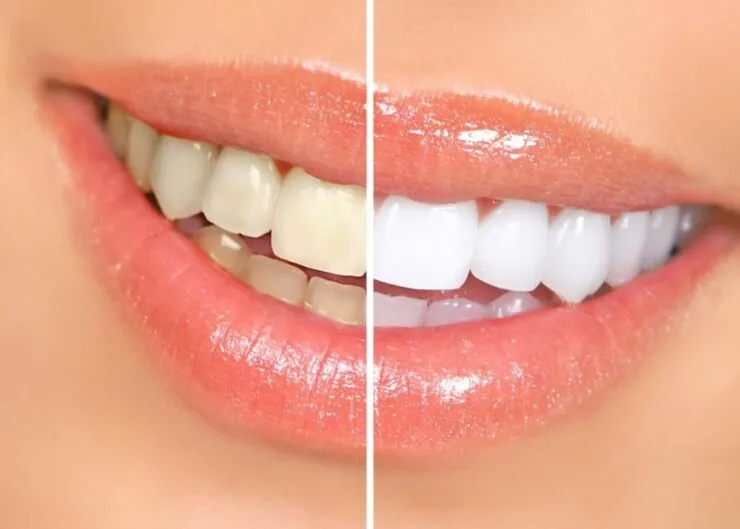
Understanding Teeth Whitening Pain
Teeth whitening is a popular cosmetic procedure, promising a brighter, more confident smile. However, it’s not always a pain-free process. Many people experience some level of discomfort during or after teeth whitening treatments. Understanding the causes of this pain is the first step in preventing and managing it. This article will explore the common reasons behind teeth whitening pain, providing practical tips and advice on how to minimize discomfort and ensure a positive experience. Whether you are considering teeth whitening or have already undergone the procedure, knowing how to address potential pain can significantly improve your experience and results.
Common Causes of Teeth Whitening Pain
Several factors contribute to the pain associated with teeth whitening. These causes often relate to the sensitivity of your teeth and gums or underlying dental conditions. Identifying these causes can help you take preventative measures or seek appropriate treatment. The most prevalent causes are outlined below, providing insights into the mechanisms behind the discomfort and how to address them.
Tooth Sensitivity

Tooth sensitivity is the most frequently reported side effect of teeth whitening. The whitening agents, typically containing hydrogen peroxide or carbamide peroxide, penetrate the enamel and reach the dentin, which contains microscopic tubules connected to the nerves. This process can irritate the nerves, leading to sensitivity. This sensitivity can manifest as sharp, shooting pains or a general ache, especially when consuming cold or hot foods and beverages. The intensity of sensitivity varies from person to person, depending on the individual’s tooth structure and the strength of the whitening agent used. If you experience sensitivity, it’s important to know there are ways to alleviate the pain.
Gum Irritation
Gum irritation, or gingivitis, is another common consequence of teeth whitening. The whitening agents can come into contact with the gums, causing inflammation, redness, and soreness. This is particularly likely with at-home whitening kits if the trays don’t fit properly, allowing the gel to leak onto the gums. Professional whitening procedures can also cause gum irritation, although dentists take precautions to protect the gums. Symptoms include tender gums, swelling, and sometimes, a burning sensation. Proper application techniques and the use of protective barriers are crucial in preventing and minimizing this side effect. Addressing gum irritation promptly can prevent further discomfort and complications.
Pre-existing Dental Conditions
Individuals with pre-existing dental conditions, such as cavities, cracks, or receding gums, may experience heightened sensitivity and pain during teeth whitening. The whitening agents can seep into these areas, exacerbating the existing issues. For example, if you have a cavity, the whitening agent can irritate the exposed nerve. Similarly, receding gums expose the tooth roots, which lack the protective enamel, making them more sensitive. Before undergoing teeth whitening, it’s essential to address any underlying dental problems to ensure a comfortable and safe experience. Consulting with your dentist beforehand is crucial to identify and treat any potential issues.
How to Prevent Teeth Whitening Pain

While some level of sensitivity is normal, there are several steps you can take to minimize and prevent pain during teeth whitening. Preparing your teeth and gums before the procedure, choosing the right whitening method, and following proper application techniques are key strategies. It is crucial to consult with your dentist to personalize your approach to teeth whitening to ensure the best results. The following recommendations provide a comprehensive guide on how to prevent teeth whitening pain.
Consult Your Dentist
The most important step in preventing teeth whitening pain is consulting your dentist before starting any whitening treatment. Your dentist can assess your oral health, identify any pre-existing conditions, and recommend the most suitable whitening method for your needs. They can also provide professional-grade treatments that are applied under controlled conditions, often leading to less sensitivity than at-home kits. Your dentist can also offer advice on pre-treatment preparations, such as using desensitizing toothpaste for a few weeks before your whitening appointment. Regular check-ups and cleanings are also important, as they ensure your teeth and gums are in optimal condition before any whitening procedure.
Choose the Right Whitening Method
Different teeth whitening methods have varying levels of potential for causing pain and sensitivity. Over-the-counter options and professional treatments offer different advantages. Selecting the right method based on your individual needs and sensitivity level is crucial. Here’s a breakdown of the options available, from over-the-counter products to professional treatments, helping you make an informed choice.
Over-the-Counter Options

Over-the-counter teeth whitening products, such as whitening strips, gels, and toothpastes, are readily available and often more affordable. However, these products typically contain lower concentrations of whitening agents, which can mean less effectiveness and potentially reduced sensitivity compared to professional treatments. Using these products as directed and following the manufacturer’s instructions carefully is crucial. If you experience sensitivity, consider using the product less frequently or for shorter periods. Consulting with your dentist before using any over-the-counter product is always a good idea, especially if you have sensitive teeth or any pre-existing dental issues.
Professional Whitening
Professional teeth whitening, performed by a dentist, offers several advantages, including more potent whitening agents and customized application methods. Dentists can control the concentration of the whitening solution and use protective measures, such as gum shields, to minimize sensitivity and gum irritation. Professional treatments often produce faster and more dramatic results compared to at-home options. While professional whitening may initially be more expensive, it can offer a safer and more comfortable experience. If you have sensitive teeth or are concerned about pain, professional whitening is often the best choice. Your dentist can also provide post-whitening care instructions and recommendations to manage any discomfort.
Proper Application and Usage
Proper application and usage of teeth whitening products are essential for minimizing pain and achieving optimal results. Following the instructions precisely, avoiding overuse, and taking preventative measures can significantly reduce the likelihood of experiencing discomfort. The following guidelines will help you use teeth whitening products safely and effectively.
Following Instructions

Always adhere to the instructions provided with your chosen teeth whitening product. This includes the recommended application time, frequency, and any specific pre- or post-treatment care. For example, if using whitening strips, ensure they cover your teeth correctly and are not in contact with your gums for extended periods. Over-the-counter products are designed to be safe when used as directed. If you have any questions or uncertainties, consult your dentist or the product manufacturer. Reading and understanding the instructions thoroughly can prevent many common issues, including sensitivity and gum irritation. Do not exceed the recommended usage to avoid unnecessary pain.
Avoiding Overuse
Overuse of teeth whitening products can significantly increase the risk of pain and sensitivity. Using products more frequently or for longer periods than recommended can damage your enamel, leading to increased sensitivity. Stick to the recommended treatment schedule to allow your teeth and gums to recover between applications. If you are using at-home whitening kits, avoid the temptation to whiten your teeth more often to speed up the process. In professional settings, dentists will carefully monitor the treatment duration and intensity. If you experience pain, stop using the product immediately and consult with your dentist. Reducing the frequency of use can help you to manage the sensitivity.
Post-Whitening Care and Pain Relief
Even with precautions, some level of discomfort may still occur. Post-whitening care involves specific measures to alleviate pain and promote healing. The following strategies can help you manage any sensitivity and ensure a comfortable experience after teeth whitening.
Desensitizing Toothpaste

Desensitizing toothpaste, containing ingredients like potassium nitrate or stannous fluoride, can help reduce tooth sensitivity. These ingredients work by blocking the tubules in the dentin, preventing the transmission of pain signals to the nerves. Using desensitizing toothpaste for a few weeks before and after teeth whitening can significantly reduce sensitivity. Apply a small amount of toothpaste to your teeth, and brush gently for the recommended time. Continue using desensitizing toothpaste regularly to maintain the results and manage any lingering sensitivity. This toothpaste is a simple yet effective way to provide relief from sensitivity.
Fluoride Treatments
Fluoride treatments can strengthen the enamel and reduce tooth sensitivity. Fluoride helps remineralize the enamel, making teeth more resistant to the effects of whitening agents. Your dentist can apply a professional fluoride treatment after a whitening procedure or recommend high-fluoride toothpaste or mouthwash for home use. These treatments can provide immediate relief and help to prevent further sensitivity. Regular fluoride treatments are an effective way to protect your teeth and reduce discomfort. Ask your dentist about the most appropriate fluoride treatment options for your needs.
Over-the-Counter Pain Relievers
Over-the-counter pain relievers, such as ibuprofen or acetaminophen, can help manage any pain or discomfort after teeth whitening. Always follow the recommended dosage instructions. If your pain is severe or persistent, consult your dentist. Avoiding extremely hot or cold foods and drinks can also help to reduce sensitivity. For some, sticking to a soft food diet for the first 24-48 hours may also help. Over-the-counter pain relievers offer a convenient solution, especially for mild to moderate pain.
When to Seek Professional Help

While some level of sensitivity is expected, severe or persistent pain warrants a visit to your dentist. Certain symptoms, such as intense pain or signs of infection, require immediate attention. Knowing when to seek professional help ensures that any potential complications are addressed promptly. Your dentist can assess the situation, determine the cause of the pain, and provide appropriate treatment.
Severe or Persistent Pain
If you experience severe or persistent pain that lasts for more than a few days after teeth whitening, consult your dentist immediately. This pain could indicate a more serious issue, such as a cavity, crack, or gum infection. Your dentist can diagnose the problem and provide the necessary treatment. Do not ignore prolonged discomfort, as it could worsen over time. Immediate action is crucial to avoid further complications. Do not attempt to self-treat severe pain; always seek professional advice.
Signs of Infection
Look out for signs of infection, such as swelling, redness, pus, or fever. If you notice these symptoms, contact your dentist immediately. An infection may require antibiotic treatment or other dental procedures. Ignoring the signs of infection can lead to serious health complications. Any unusual changes in your oral health should be reported to your dentist promptly. Early intervention can prevent the infection from spreading and help you to recover more quickly. Regular check-ups are crucial.
In conclusion, teeth whitening can provide a brighter smile, but it’s important to understand the potential for pain and sensitivity. By following the tips outlined above, you can minimize discomfort and achieve the desired results. Always consult your dentist before undergoing teeth whitening and seek professional help if you experience severe or persistent pain. Taking proactive steps and being informed about the process will make your teeth whitening experience more pleasant and successful.