
Understanding Hydrogen Peroxide and Teeth Whitening
Teeth whitening has become increasingly popular, with many people seeking brighter smiles. One common method involves using hydrogen peroxide, a chemical compound that acts as an oxidizing agent. Understanding how hydrogen peroxide interacts with your teeth and the safety considerations involved is crucial before attempting any whitening procedure. This article will delve into the science behind teeth whitening, the different concentrations of hydrogen peroxide, and the best practices for achieving a whiter smile safely. The goal is to equip you with the knowledge to make informed decisions about your oral health and teeth whitening journey.
How Hydrogen Peroxide Works for Whitening
Hydrogen peroxide works by penetrating the enamel of your teeth and breaking down the stain molecules that cause discoloration. These stains can come from various sources, including coffee, tea, red wine, and tobacco. The process is essentially an oxidation reaction, where the hydrogen peroxide releases oxygen molecules. These oxygen molecules then react with the stain molecules, breaking them into smaller, less noticeable components. The effectiveness of hydrogen peroxide depends on its concentration, the contact time with the teeth, and the type of stains present. Different concentrations are used in both over-the-counter products and professional treatments, each with its own set of considerations regarding safety and effectiveness.
The Science Behind Teeth Whitening

The science behind teeth whitening involves understanding the structure of the tooth and how stains accumulate. The outer layer of the tooth, the enamel, is porous, allowing stain molecules to penetrate. The dentin, the layer beneath the enamel, is also susceptible to staining. Hydrogen peroxide effectively removes these stains by oxidizing them, essentially bleaching the tooth. This process is not a permanent solution, as teeth can be stained again over time. Regular maintenance, including proper oral hygiene and avoiding stain-causing foods and drinks, is crucial for maintaining a bright smile. The concentration of hydrogen peroxide plays a significant role in the speed and effectiveness of the whitening process, but it also impacts the risk of side effects.
Concentration and Safety
The concentration of hydrogen peroxide is a critical factor in both the effectiveness and safety of teeth whitening treatments. Higher concentrations generally lead to faster and more dramatic results, but they also increase the risk of side effects such as tooth sensitivity and gum irritation. It is essential to use hydrogen peroxide at the recommended concentration for the specific product or treatment you are using. Exceeding these recommendations can be harmful. Furthermore, the duration of exposure to hydrogen peroxide also impacts its effectiveness and potential side effects. Following the instructions carefully and consulting with a dental professional can help minimize risks and maximize the benefits of teeth whitening.
Safe Hydrogen Peroxide Concentrations
Over-the-counter teeth whitening products typically contain hydrogen peroxide concentrations ranging from 3% to 10%. These products are generally considered safe for use at home when used according to the manufacturer’s instructions. Professional teeth whitening treatments performed by dentists may use higher concentrations, sometimes up to 40%. However, these treatments are administered under controlled conditions to minimize the risk of side effects. Always adhere to the guidelines provided with the product or treatment. If you are unsure about the appropriate concentration, consult your dentist for personalized recommendations based on your oral health condition and whitening goals. Remember that gradual whitening is often safer than aggressive approaches.
Risks of Using Stronger Concentrations
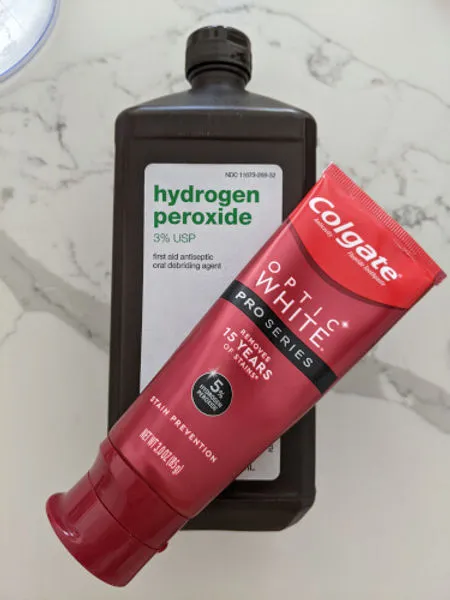
Using hydrogen peroxide at excessively high concentrations can lead to several adverse effects. One of the most common is tooth sensitivity, which can cause discomfort when consuming hot or cold foods and drinks. Gum irritation and inflammation are also potential side effects, resulting in redness, swelling, and tenderness. In severe cases, overuse of high-concentration hydrogen peroxide can damage the enamel, making your teeth more susceptible to decay and cavities. It is always better to err on the side of caution and start with a lower concentration. Consult with your dentist if you experience any side effects and adjust your whitening regimen as needed. Your oral health should always be the priority.
Choosing the Right Hydrogen Peroxide for Teeth Whitening
Choosing the right hydrogen peroxide product involves understanding the available options and their respective benefits and drawbacks. Several products cater to different needs and preferences, ranging from at-home whitening kits to professional treatments. The best choice for you depends on factors such as the degree of staining, your oral health, and your budget. It’s essential to research different brands and products, read reviews, and consult with your dentist to determine which option suits you best. The right product will not only effectively whiten your teeth but also minimize the risk of side effects and ensure a positive whitening experience.
Hydrogen Peroxide Products You Can Use
Several hydrogen peroxide-based products are available, including whitening toothpastes, strips, gels, and mouthwashes. Whitening toothpastes typically contain a lower concentration of hydrogen peroxide and are designed for daily use. Whitening strips and gels offer a more concentrated dose of the active ingredient and are applied directly to the teeth for a specific duration. Whitening mouthwashes provide a more gentle approach. Each product has its own set of instructions and recommended usage. Read and follow these instructions carefully to ensure safe and effective whitening. Consider your lifestyle, convenience, and desired results when choosing a product.
At-Home Whitening Kits

At-home whitening kits often include trays, gels, and sometimes a light to enhance the whitening process. These kits typically contain a moderate concentration of hydrogen peroxide. Following the instructions is crucial, which may involve wearing the trays for a certain amount of time each day or night. These kits offer a convenient and cost-effective way to whiten your teeth at home. Ensure you select a kit from a reputable brand and be aware of any potential side effects. Always consult with your dentist before starting an at-home whitening treatment, especially if you have sensitive teeth or any existing dental issues. This is to get professional advice and avoid adverse outcomes.
Professional Teeth Whitening Options
Professional teeth whitening, performed by a dentist, offers the most potent whitening treatments. These treatments often use higher concentrations of hydrogen peroxide and are administered under controlled conditions to protect your gums and enamel. Professional whitening can provide dramatic results in a shorter amount of time. Your dentist will evaluate your oral health, discuss your goals, and recommend the most suitable treatment option. Professional whitening may involve in-office treatments or custom-fitted trays to use at home, which are usually combined with professional dental advice. While professional whitening is often more expensive than at-home options, it offers the advantage of expert care and supervision.
Step-by-Step Guide to Safe Teeth Whitening with Hydrogen Peroxide
Successfully and safely whitening your teeth with hydrogen peroxide involves careful preparation, application, and aftercare. Following the steps outlined below will help you minimize the risk of side effects and achieve the desired results. Be patient and consistent, as teeth whitening often takes time. Do not be tempted to rush the process by increasing the concentration of hydrogen peroxide or the duration of treatment. Always prioritize your oral health. Seek professional guidance from your dentist whenever you have questions or concerns.
Preparing Your Teeth

Before you begin any teeth whitening treatment, ensure your teeth and gums are healthy. Schedule a dental check-up and cleaning to address any existing issues such as cavities, gum disease, or plaque buildup. Brushing and flossing your teeth thoroughly before applying the whitening product removes surface debris and allows for better penetration. If you have sensitive teeth, consult your dentist about using a desensitizing toothpaste for a few weeks before starting the whitening treatment. Preparing your teeth adequately can significantly enhance the effectiveness of the whitening and reduce the risk of discomfort.
Application Methods
The application method varies depending on the product you choose. For whitening strips or gels, apply the product as directed, ensuring it covers the surfaces of your teeth. For trays, fill them with the whitening gel and wear them for the recommended amount of time. If using a whitening toothpaste or mouthwash, follow the instructions on the packaging. Always avoid contact between the whitening product and your gums, as this can cause irritation. If any product spills over the gums, wipe it off immediately. Use the product in a well-ventilated area and avoid swallowing any of the product. If you experience any adverse reactions, stop using the product and consult with your dentist.
Frequency and Duration
The frequency and duration of your teeth whitening treatment depend on the product and your desired results. Over-the-counter products usually recommend a treatment period of several days or weeks, while professional treatments may be completed in a single session or a few appointments. Always follow the recommended schedule. Over-whitening your teeth can lead to increased sensitivity and damage. Avoid exceeding the recommended treatment period, and don’t be tempted to increase the frequency. Regularly assess your progress and adjust your treatment accordingly. If you are unsure how long to use the product, check with your dentist.
Post-Whitening Care

After completing your teeth whitening treatment, it’s essential to care for your teeth to maintain your results and prevent future staining. Continue practicing excellent oral hygiene by brushing your teeth twice a day, flossing daily, and using mouthwash. Avoid consuming foods and drinks that stain your teeth, such as coffee, tea, red wine, and berries, for a few days after the treatment, as your teeth will be more vulnerable to staining. If you experience any sensitivity, use a desensitizing toothpaste. Schedule regular dental check-ups and cleanings to monitor your oral health and address any emerging issues. Proper post-whitening care will help prolong the effects of the whitening and keep your smile bright.
Maintaining Your White Smile
Maintaining your bright, white smile requires a combination of proper oral hygiene, dietary adjustments, and regular dental check-ups. While teeth whitening can effectively remove existing stains, it’s essential to take proactive measures to prevent future staining. By incorporating these practices into your daily routine, you can enjoy a beautiful smile for years to come. Remember that consistent care is key to maintaining optimal oral health and a radiant appearance. Make it a habit to protect your teeth as part of your overall health and wellness.
Dietary Considerations
Your diet plays a significant role in maintaining a white smile. Certain foods and drinks are notorious for staining teeth. To minimize the risk of discoloration, limit or avoid coffee, tea, red wine, dark-colored sodas, and highly pigmented fruits and vegetables, such as berries and beets. If you consume these items, rinse your mouth with water or brush your teeth shortly afterward to remove any staining particles. Incorporate foods that are good for your teeth, such as crunchy fruits and vegetables, dairy products, and foods rich in calcium. Making conscious dietary choices can help keep your teeth white and healthy.
Oral Hygiene Practices

Maintaining good oral hygiene is fundamental to preserving your white smile and overall oral health. Brush your teeth twice a day for two minutes each time, using a fluoride toothpaste. Floss daily to remove plaque and food particles from between your teeth. Use a mouthwash to rinse your mouth and kill bacteria. Consider using an electric toothbrush, which can be more effective at removing plaque than a manual toothbrush. Regular dental check-ups and cleanings are also crucial for removing plaque and tartar buildup, which can contribute to staining. By practicing good oral hygiene, you can keep your teeth healthy, clean, and white.
Addressing Potential Side Effects
Teeth whitening, while generally safe, can sometimes cause side effects. Understanding these potential issues and knowing how to address them is essential for a positive whitening experience. Fortunately, most side effects are temporary and can be managed with simple interventions. However, in some cases, it’s important to seek professional advice from a dentist. Being aware of potential issues will ensure you are well-prepared to deal with them and protect your overall oral health.
Sensitivity
Tooth sensitivity is a common side effect of teeth whitening. It can manifest as a sharp, sudden pain or discomfort in your teeth, typically when consuming hot or cold foods and drinks. The sensitivity occurs because the whitening agents can temporarily affect the enamel. To manage sensitivity, use a desensitizing toothpaste containing potassium nitrate for a few weeks before and during your whitening treatment. Avoid extremely hot or cold foods and drinks during the treatment. If the sensitivity is severe or prolonged, consult your dentist, as they may recommend a professional treatment or adjust your whitening regimen.
Gum Irritation
Gum irritation is another potential side effect of teeth whitening, typically resulting from contact with the whitening agent. This can manifest as redness, swelling, and tenderness in your gums. To prevent gum irritation, make sure you apply the whitening product as directed and avoid getting it on your gums. If you experience any irritation, rinse your mouth thoroughly with water and discontinue use until the irritation subsides. Consider using a different product or method of application to minimize the risk. If the irritation is severe or does not improve within a few days, seek advice from your dentist to avoid further complications.
When to Consult a Dentist
While teeth whitening is generally safe, there are times when it’s essential to seek professional advice from a dentist. If you experience severe tooth sensitivity, gum irritation, or any other adverse reactions that do not improve within a few days, consult your dentist immediately. A dentist can assess the cause of the problem and recommend appropriate treatment. If you have existing dental issues such as cavities, gum disease, or sensitive teeth, it’s best to consult your dentist before starting any teeth whitening treatment. They can evaluate your oral health and suggest the most suitable whitening method and provide advice to minimize side effects. If you have any doubts or concerns regarding the safety of teeth whitening, always consult your dentist.