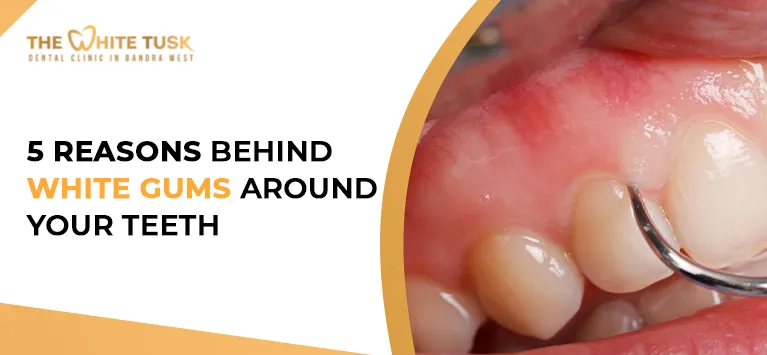
What Causes White Gums After Teeth Whitening?
Teeth whitening is a popular cosmetic procedure, but it can sometimes lead to unintended side effects, including white gums. This discoloration is often a sign of irritation or damage to the soft tissues of the mouth. Understanding the causes of white gums after teeth whitening is crucial for preventing this issue and ensuring a safe and effective whitening experience. Several factors can contribute to this problem, ranging from the strength of the whitening agent to the way it is applied. Recognizing these potential pitfalls allows you to take preventive measures and seek appropriate treatment if needed. This guide will explore the top causes of white gums after teeth whitening, providing you with the knowledge to keep your smile bright and your gums healthy.
Chemical Burns from Whitening Agents
One of the most common culprits behind white gums is chemical burns caused by the whitening agents themselves. The primary active ingredient in most teeth whitening products is hydrogen peroxide or carbamide peroxide. These chemicals are designed to penetrate the enamel and break down stains, but they can also irritate and burn the soft tissues of the mouth if they come into contact. When the whitening agent comes into direct contact with the gums for an extended period, it can cause a chemical burn. This burn results in the gums turning white, appearing blanched, and sometimes causing pain or sensitivity. The severity of the burn depends on the concentration of the whitening agent and the duration of exposure. Proper application and use of protective measures are essential to prevent chemical burns and maintain gum health. Always follow the instructions provided with the teeth whitening product and consult with a dental professional if you experience any discomfort or unusual changes in your gums.
How Whitening Products Damage Gums

Whitening products can damage gums through various mechanisms. High concentrations of peroxide can directly erode the soft tissues. The chemicals break down the proteins in the gum tissue, leading to inflammation and blanching. The irritation can also disrupt the natural protective barrier of the gums, making them more susceptible to further damage and infection. Certain whitening methods, such as those involving custom trays, may exacerbate the risk if the trays don’t fit properly, allowing the whitening gel to seep onto the gums. Moreover, prolonged exposure to even lower concentrations of whitening agents can cause cumulative damage, leading to chronic irritation and changes in gum appearance. Understanding these mechanisms helps in adopting safer whitening practices and minimizing the adverse effects on gum health.
Incorrect Tray Fit and Gum Contact
The fit of the whitening tray plays a crucial role in preventing gum irritation. Ill-fitting trays allow the whitening gel to leak out and come into contact with the gums, increasing the risk of chemical burns and white patches. Custom-fitted trays, made by a dentist, are designed to precisely fit the contours of your teeth, minimizing the chance of the gel contacting the gums. Over-the-counter trays are often less precise, and may not provide a proper seal, leading to leakage. When the gel comes into contact with the gums, it can cause irritation, blanching, and even more severe damage. Therefore, ensure the tray fits snugly and doesn’t extend too far onto the gums. If you’re using custom trays, it’s also essential to follow your dentist’s instructions carefully and attend any necessary follow-up appointments to ensure the trays remain effective and safe.
Why Tray Fit Matters During Whitening
Proper tray fit is paramount during teeth whitening for several reasons. First and foremost, it minimizes the risk of the whitening agent coming into contact with the gums. A well-fitting tray creates a barrier, preventing the gel from leaking out and causing chemical burns. Second, a good fit ensures the whitening agent is applied evenly to the teeth, maximizing its effectiveness. Uneven application can lead to inconsistent whitening results and potential sensitivity issues. Additionally, a properly fitted tray is more comfortable to wear, improving your overall experience with the whitening process. In contrast, a poor fit can cause discomfort, gum irritation, and ineffective whitening. If you’re using a custom tray, make sure to check it regularly for any signs of damage or changes in fit. If you’re using over-the-counter trays, carefully follow the instructions and ensure the tray fits snugly around your teeth.
Overuse of Teeth Whitening Products

Another major contributor to white gums is the overuse of teeth whitening products. Whitening agents, especially those with high concentrations of peroxide, can be harsh on the gums. Using these products too frequently or for extended periods can lead to chronic irritation and damage. Following the recommended usage instructions is crucial to prevent gum issues. Overuse can also cause increased sensitivity in the teeth and gums, making them more susceptible to further damage. If you notice any signs of irritation, such as white patches, redness, or pain, it’s essential to stop using the product and consult your dentist. They can assess the damage and recommend appropriate treatment or alternative whitening methods. Patience is key when it comes to teeth whitening. Achieving a brighter smile is a process, and rushing the process by overusing whitening products will likely lead to adverse effects.
Consequences of Over Whitening
The consequences of over-whitening can extend beyond just white gums. Continuous exposure to whitening agents can erode the enamel, making your teeth more vulnerable to decay and sensitivity. The constant irritation can also lead to chronic inflammation in the gums, potentially causing them to recede or become infected. Over-whitening can also result in an unnatural, overly bright appearance that may not be aesthetically pleasing. In severe cases, it can lead to more serious oral health issues that require extensive dental treatment. To avoid these complications, it’s essential to follow the recommended usage guidelines and consult with your dentist before beginning any teeth whitening regimen. They can assess your oral health and recommend a safe and effective whitening plan tailored to your needs.
Sensitivity and Gum Irritation
Teeth whitening can often cause both tooth sensitivity and gum irritation. This sensitivity is a common side effect, usually temporary, resulting from the whitening agents penetrating the enamel. However, the irritation to the gums can manifest as redness, swelling, or the development of white patches. The chemical nature of the whitening agents, combined with direct contact with the soft tissues, is the main cause of this irritation. People with pre-existing gum conditions may be more susceptible to these issues. Therefore, assessing your oral health before whitening is essential. There are measures you can take to mitigate both sensitivity and gum irritation. These include using a lower concentration of the whitening agent, shortening the treatment duration, and ensuring proper tray fit. Using desensitizing toothpaste can also help with tooth sensitivity. If the irritation persists or worsens, it’s crucial to consult with your dentist for advice.
Understanding Teeth Sensitivity

Teeth sensitivity is a common side effect of teeth whitening, experienced by many individuals undergoing the procedure. It occurs because the whitening agents can temporarily make the teeth more porous, allowing the chemicals to reach the nerves. The sensation can range from mild discomfort to sharp pain when consuming hot or cold foods and drinks. This sensitivity is usually temporary and subsides after a few days or weeks once the whitening process is complete. Several factors influence the degree of sensitivity, including the concentration of the whitening agent, the duration of treatment, and the individual’s tooth structure. If you experience sensitivity, there are steps you can take to manage it. Using a desensitizing toothpaste containing potassium nitrate can help block the nerve signals. You can also take breaks from the whitening treatment and avoid foods and drinks that trigger the sensitivity. Consult with your dentist if sensitivity is severe or persistent.
Pre-Existing Gum Conditions
Individuals with pre-existing gum conditions, such as gingivitis or periodontitis, are at a higher risk of experiencing white gums and other complications from teeth whitening. These conditions already involve inflammation and sensitivity in the gums, making them more susceptible to the irritant effects of whitening agents. When the gums are already compromised, the whitening chemicals can exacerbate the existing issues, leading to more severe irritation and damage. Therefore, it’s crucial to address any pre-existing gum problems before undergoing teeth whitening. If you have gum disease, you should seek treatment from your dentist to resolve the condition and improve your overall oral health. Postponing teeth whitening until your gums are healthy is important to minimize the risk of adverse effects. Proper oral hygiene, including regular brushing, flossing, and dental check-ups, also plays a crucial role in preventing and managing gum conditions.
Identifying Gum Issues Before Whitening
Identifying potential gum issues before starting teeth whitening is a crucial step in ensuring a safe and effective procedure. A thorough dental examination and consultation with your dentist are highly recommended before undergoing teeth whitening. During this examination, the dentist will assess your overall oral health, including the condition of your gums. They will look for signs of inflammation, redness, swelling, and bleeding, which are indicative of gum disease. They will also check for any existing dental work, such as fillings or crowns, as these may not whiten at the same rate as your natural teeth. Your dentist can also provide personalized advice based on your specific oral health needs. Addressing any underlying issues before whitening will minimize the risk of complications and ensure a successful outcome. Following your dentist’s recommendations and maintaining good oral hygiene practices will also contribute to keeping your gums healthy and your smile bright.
In conclusion, while teeth whitening is an effective way to enhance your smile, it’s essential to be aware of the potential risks and causes of white gums. By understanding the role of chemical burns, improper tray fit, overuse, and pre-existing conditions, you can take proactive steps to prevent gum irritation and ensure a safe whitening experience. Consulting with your dentist, following instructions, and maintaining good oral hygiene are vital in keeping your gums healthy and your smile bright. Remember that a healthy smile is a beautiful smile. Prioritize the health of your gums by being informed and cautious about your teeth whitening choices.