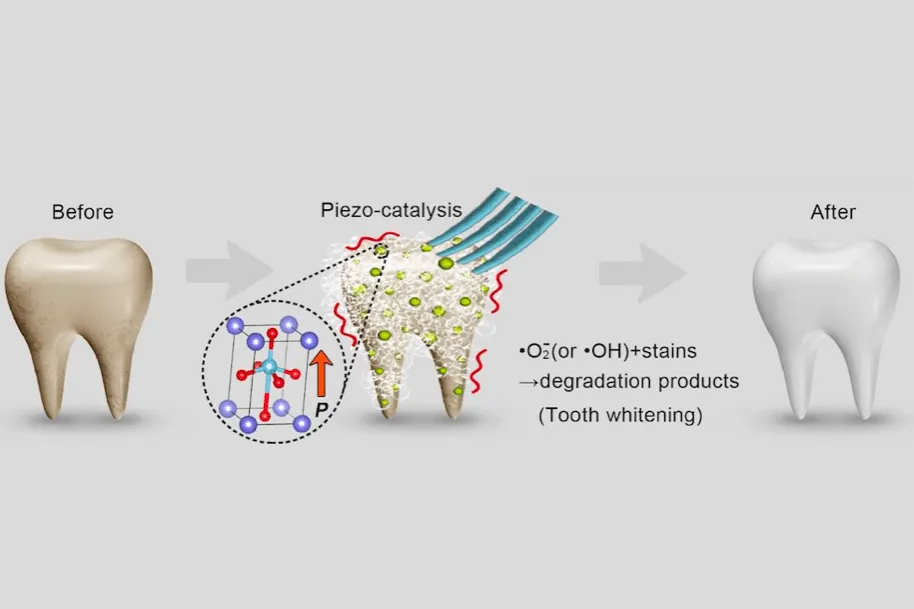
Teeth Whitening & Enamel The Basics
Teeth whitening has become a popular cosmetic procedure, promising a brighter, more confident smile. However, concerns often arise regarding the potential for teeth whitening to damage tooth enamel, the hard, protective outer layer of your teeth. Understanding the relationship between teeth whitening and enamel health is crucial before embarking on any whitening treatment. This article will delve into the basics of tooth enamel, how teeth whitening works, and the potential risks associated with these procedures. Furthermore, it will explore safe practices and alternative options to achieve a radiant smile while maintaining optimal oral health. Making informed choices will help you to protect your teeth while getting the desired results.
What is Tooth Enamel?
Tooth enamel is the outermost, visible layer of the tooth, primarily composed of minerals, mostly calcium phosphate. It is the hardest substance in the human body, designed to protect the sensitive inner layers of the tooth from damage caused by chewing, biting, and exposure to acids from foods and drinks. Enamel is translucent, allowing light to pass through and reflect off the underlying dentin, which gives teeth their color. Its thickness varies across the tooth’s surface, being thickest on the chewing surfaces and thinner near the gumline. The health and integrity of enamel are essential for maintaining the structure, function, and appearance of your teeth. Furthermore, enamel does not contain living cells, so it cannot regenerate once damaged, emphasizing the importance of protecting it.
The Role of Enamel in Oral Health

Enamel serves several critical functions in oral health. Its primary role is to protect the underlying dentin and pulp from physical, chemical, and bacterial attacks. Enamel’s hardness and durability enable it to withstand the forces of chewing and grinding. It also acts as a barrier against the acids produced by bacteria in the mouth, which can lead to tooth decay. Healthy enamel helps maintain the structural integrity of the tooth, preventing fractures, chips, and other forms of damage. Additionally, enamel’s smooth surface helps to prevent plaque and tartar buildup, reducing the risk of gum disease. Maintaining healthy enamel is crucial for preventing tooth sensitivity, decay, and other oral health problems, ultimately contributing to overall well-being and a confident smile.
How Teeth Whitening Works
Teeth whitening treatments typically involve the use of bleaching agents, most commonly hydrogen peroxide or carbamide peroxide. These agents work by breaking down stain molecules within the enamel. The active ingredients penetrate the enamel and dentin, reacting with the discolored molecules and oxidizing them. This process breaks the larger, darker molecules into smaller, lighter ones, making the teeth appear whiter. There are various methods of teeth whitening, including professional treatments performed by dentists, at-home whitening kits, and over-the-counter products such as whitening toothpaste and strips. The effectiveness of the treatment depends on factors like the concentration of the bleaching agent, the duration of the treatment, and the type of stains present.
Does Whitening Damage Enamel? Top 5 Facts
Fact 1 Tooth Sensitivity

One of the most common side effects of teeth whitening is tooth sensitivity. This occurs when the bleaching agents penetrate the enamel and reach the dentin, which contains tiny tubules that lead to the nerves of the tooth. This can cause temporary sensitivity to hot or cold temperatures, pressure, or sweet foods. The severity of sensitivity varies from person to person and depends on factors such as the concentration of the bleaching agent and the duration of the treatment. Typically, tooth sensitivity subsides within a few days after the whitening treatment is completed. Using desensitizing toothpaste containing potassium nitrate can help to minimize sensitivity by blocking the nerve signals.
Fact 2 Enamel Erosion
While teeth whitening products are designed to target stains within the enamel, there is a potential risk of enamel erosion, especially with overuse or misuse of products. High concentrations of bleaching agents, or prolonged exposure, can weaken the enamel, making it more susceptible to acid erosion and decay. This can lead to increased tooth sensitivity and a higher risk of cavities. Certain ingredients in whitening products, such as abrasive particles, can contribute to the erosion of enamel. Proper use of whitening products, under the guidance of a dentist, can help to mitigate the risk of enamel erosion.
Fact 3 Gum Irritation
Gum irritation is another possible side effect of teeth whitening, particularly with at-home treatments where the bleaching agent may come into contact with the gums. The peroxide-based bleaching agents can irritate the soft tissues of the gums, causing redness, swelling, and tenderness. This is more likely to occur if the whitening trays do not fit properly or if the product is used excessively. Professional whitening treatments often include protective measures, such as gum shields, to minimize contact between the bleaching agent and the gums. If gum irritation occurs, it is usually temporary and resolves within a few days after the whitening treatment is discontinued. Maintaining good oral hygiene and using gentle brushing techniques can also help soothe the irritated gums.
Fact 4 Chemical Burns

In rare cases, improper use of teeth whitening products can lead to chemical burns on the gums or other soft tissues in the mouth. This is more likely to occur if the bleaching agent is used at a higher concentration than recommended, if the trays do not fit correctly, or if the product is left in contact with the tissues for an extended period. Chemical burns can cause significant pain, blistering, and tissue damage. It is critical to follow the instructions carefully and to seek professional help if a chemical burn occurs. Dentists can provide protective measures and treatments to help heal the affected tissues and prevent further complications.
Fact 5 Tooth Discoloration
While teeth whitening aims to improve the appearance of teeth, there is a potential risk of uneven tooth discoloration. This can occur if the whitening agent does not penetrate the enamel evenly or if the teeth have different levels of staining. Furthermore, whitening treatments do not work on all types of stains, such as those caused by tetracycline antibiotics or dental restorations. In some cases, whitening may make existing dental work, like fillings or crowns, appear more noticeable as they do not whiten. Consult your dentist to ensure that the whitening method is appropriate for your specific situation and to discuss any potential risks.
Safe Teeth Whitening Practices
Consult Your Dentist

Before undergoing any teeth whitening treatment, it is essential to consult with your dentist. Your dentist can assess the overall health of your teeth and gums, identify any existing problems, and determine whether teeth whitening is appropriate for you. They can provide personalized recommendations based on your specific needs and goals. Your dentist can also address any concerns you may have about potential risks and side effects. They can also perform a professional cleaning before whitening to remove surface stains and improve the effectiveness of the treatment. A dental consultation is a critical step in ensuring that teeth whitening is safe and effective for you.
Choosing the Right Whitening Method
There are various teeth whitening methods available, each with its advantages and disadvantages. The best method for you will depend on factors such as the severity of your stains, your budget, and your lifestyle. Professional teeth whitening treatments performed by a dentist typically provide the most dramatic results and are often the safest option because they are performed under the supervision of a dental professional. At-home whitening kits offer a more convenient and affordable alternative, but they may require more time to achieve desired results. Over-the-counter whitening products, such as toothpaste and strips, are the least expensive but may be less effective. Your dentist can help you choose the method that best suits your needs and minimizes the risk of enamel damage.
Following Instructions Carefully
Regardless of the whitening method you choose, it is essential to follow the instructions carefully to minimize the risk of damage to your enamel and gums. This includes using the recommended amount of product, applying it for the specified duration, and avoiding overuse. If you are using at-home whitening kits, make sure the whitening trays fit properly to prevent the bleaching agent from coming into contact with your gums. If you experience any sensitivity or irritation, stop using the product and consult your dentist. Avoid eating or drinking staining foods and drinks, such as coffee, tea, and red wine, for a few days after the treatment to maintain the results.
Maintaining Good Oral Hygiene

Maintaining good oral hygiene is crucial for protecting your enamel and preventing tooth decay. This includes brushing your teeth twice a day for two minutes each time with fluoride toothpaste. Floss your teeth daily to remove plaque and food particles from between your teeth, where brushing cannot reach. Consider using an antibacterial mouthwash to help control bacteria and freshen your breath. Regularly schedule dental check-ups and professional cleanings to remove plaque and tartar buildup and address any potential problems early on. By practicing good oral hygiene, you can protect your enamel and maintain a healthy, radiant smile.
Alternatives to Teeth Whitening
Professional Dental Cleaning
A professional dental cleaning can remove surface stains and plaque buildup, which can improve the appearance of your teeth. Your dentist or hygienist will use specialized tools to thoroughly clean your teeth, removing any stains caused by food, drinks, or tobacco. A dental cleaning can make your teeth appear brighter and cleaner without using whitening agents. It is a safe and effective way to maintain good oral health and enhance your smile. Regular dental cleanings are an essential part of preventive dental care and can help to prevent cavities, gum disease, and other oral health problems. Schedule your dental cleaning and check-up every six months for optimal oral health.
Porcelain Veneers

Porcelain veneers are thin, custom-made shells that are bonded to the front surface of the teeth. Veneers can correct various cosmetic imperfections, including discoloration, chips, cracks, and gaps. They are highly durable and can provide a long-lasting solution for a brighter, more aesthetically pleasing smile. Veneers are made from porcelain, which is a stain-resistant material. The procedure involves removing a small amount of enamel from the tooth surface to make room for the veneer. The dentist then takes an impression of the prepared tooth and sends it to a dental lab, where the veneer is fabricated. Once the veneer is ready, it is bonded to the tooth. Veneers are a great option for those seeking a dramatic improvement in the appearance of their smile.
Dental Bonding
Dental bonding is a cosmetic procedure in which a tooth-colored resin material is applied to the tooth and hardened with a special light. Bonding can be used to repair chipped, cracked, or discolored teeth, as well as to close gaps between teeth. It is a relatively quick, painless, and affordable alternative to other cosmetic procedures, such as veneers. The procedure involves preparing the tooth surface, applying the resin, shaping and sculpting the material, and then hardening it with a special curing light. Once the resin is hardened, the dentist polishes the tooth to blend the bonded material with the surrounding teeth. Dental bonding can provide a significant improvement in the appearance of your smile and is a good option for minor cosmetic corrections.
Conclusion
While teeth whitening can be an effective way to enhance your smile, it is important to understand the potential risks and take steps to protect your enamel. By consulting with your dentist, choosing the right whitening method, following instructions carefully, and maintaining good oral hygiene, you can achieve a brighter smile while minimizing the risk of enamel damage. Consider alternative cosmetic procedures if teeth whitening is not suitable for you. Prioritizing oral health is key to enjoying a healthy, radiant smile for years to come. Take the time to do research and consult professionals to make the best decision.