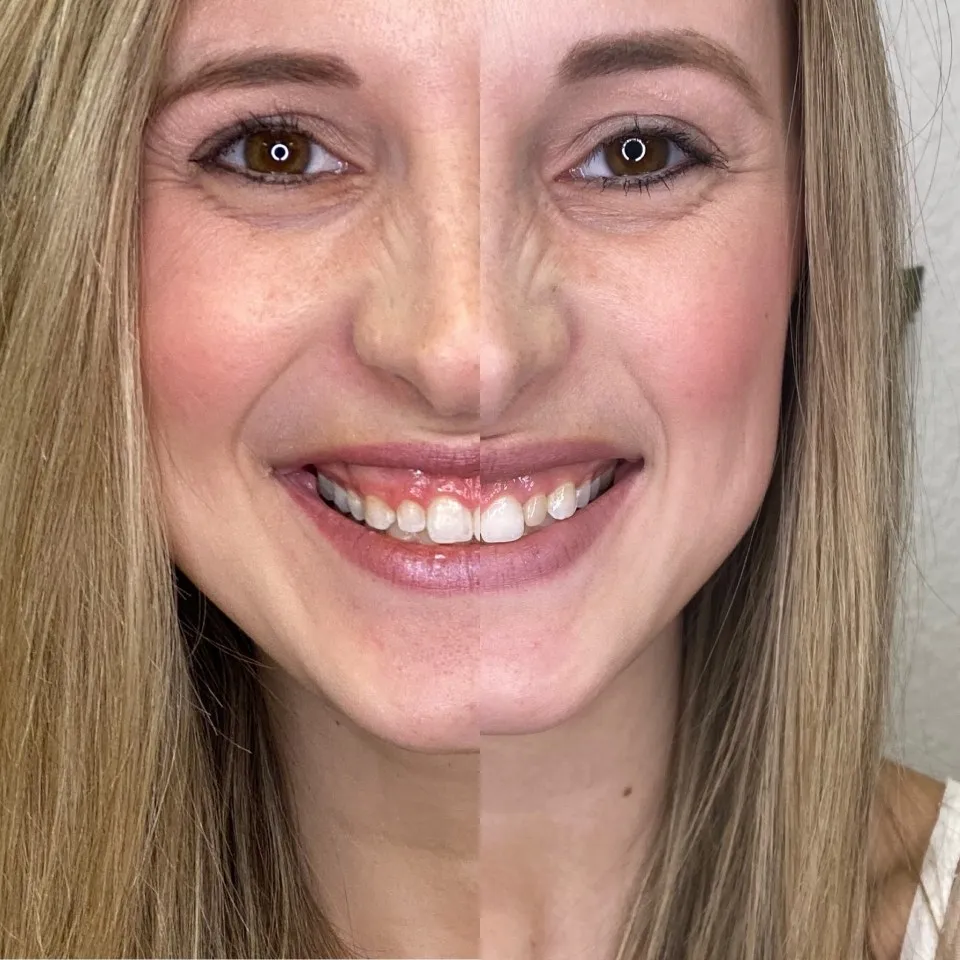
What is Teeth Whitening
Teeth whitening is a popular cosmetic dental procedure designed to lighten the shade of your teeth, improving the appearance of your smile. The process involves removing stains and discoloration caused by various factors like aging, genetics, diet, and lifestyle choices such as smoking. There are several methods available, ranging from professional treatments performed by dentists to over-the-counter products you can use at home. Understanding the different options and how they work is crucial for achieving the desired results and maintaining a bright, healthy smile. The goal is to boost your confidence and improve your overall oral health.
Types of Teeth Whitening
The world of teeth whitening offers a variety of methods, each with its own pros and cons. These methods generally fall into two categories professional and at-home treatments. Professional whitening, usually performed by a dentist, often uses a higher concentration of bleaching agents, resulting in quicker and more dramatic results. At-home treatments can include whitening toothpastes, strips, and custom-fitted trays, providing more convenience and affordability. The choice of which type of treatment depends on your individual needs, the severity of the staining, and your budget. Consulting with a dental professional can help determine the most appropriate and effective option for you.
In-Office Teeth Whitening

In-office teeth whitening is a procedure performed by a dentist in a clinical setting. The dentist applies a powerful bleaching agent, usually containing a high concentration of hydrogen peroxide, to the teeth. This is often combined with a special light or laser to accelerate the whitening process. The entire procedure typically takes about an hour and can provide immediate and significant results. The dentist can also take necessary precautions to protect the gums and soft tissues from the bleaching agent, minimizing any potential risks. This method is ideal for those seeking quick and dramatic improvements in their smile’s brightness and can be customized to each patient’s specific needs.
Benefits of Professional Whitening
Professional teeth whitening offers several advantages over at-home methods. The most significant benefit is the speed and intensity of the results. Dentists can use stronger bleaching agents, leading to more dramatic improvements in a shorter amount of time. Additionally, professional whitening is performed under the supervision of a dental professional, who can monitor the process, protect the gums, and address any sensitivity that might arise. This also ensures that the treatment is safe and effective for your specific oral health situation. Professional treatments are often more customized to your teeth, providing a more consistent and natural-looking outcome.
At-Home Teeth Whitening
At-home teeth whitening offers convenience and affordability for those looking to brighten their smiles. Options include over-the-counter products like whitening toothpastes, strips, and custom-fitted trays. Whitening toothpastes contain mild abrasives or chemicals to remove surface stains, while whitening strips use a bleaching agent that adheres to the teeth. Custom trays, provided by your dentist, offer a more precise application of the bleaching gel. While at-home methods are less potent than professional treatments, they can still provide noticeable improvements with regular use. The key is to follow the product instructions carefully and consult with your dentist for guidance and to ensure that this method is appropriate for your oral health.
Whitening Toothpastes

Whitening toothpastes are a popular option for daily use, helping to remove surface stains and prevent new ones from forming. They typically contain mild abrasives, such as silica or hydrated silica, to polish the teeth and remove stains. Some also contain chemicals like hydrogen peroxide or baking soda, which can further enhance the whitening effect. While whitening toothpastes can contribute to a brighter smile, they generally offer only subtle results and are most effective for removing stains caused by coffee, tea, and other dietary factors. It’s important to note that these toothpastes do not change the natural color of the teeth, but rather remove surface stains to reveal a brighter appearance.
Whitening Strips
Whitening strips are another convenient at-home option, consisting of thin, flexible strips coated with a hydrogen peroxide bleaching agent. You apply these strips directly to your teeth for a specified amount of time, usually for about 30 minutes each day. Whitening strips are typically more effective than whitening toothpastes, as they contain a higher concentration of the bleaching agent. They are readily available over-the-counter, making them easy to use. With consistent use, whitening strips can provide noticeable improvements in the brightness of your smile. However, they may not be suitable for everyone, as some individuals may experience tooth sensitivity or gum irritation.
Home Remedies
Some individuals explore home remedies for teeth whitening, such as using baking soda and hydrogen peroxide. While these methods have been touted by some, it’s essential to approach them with caution and consult your dentist first. Baking soda acts as a mild abrasive and can help remove surface stains, while hydrogen peroxide can have a bleaching effect. However, improper use can lead to enamel erosion, tooth sensitivity, and gum irritation. It is crucial to use these methods sparingly and in moderation. Always prioritize your oral health and seek professional advice before trying any new home remedies for teeth whitening.
5 Tips for a Brighter Smile

Tip 1 Consistent Oral Hygiene
Consistent oral hygiene is the foundation of a brighter smile. This involves brushing your teeth at least twice a day with fluoride toothpaste, flossing daily to remove plaque and food particles from between your teeth, and using an antibacterial mouthwash to further reduce bacteria. Regular dental check-ups and professional cleanings are also essential to remove plaque and tartar that contribute to stains and discoloration. A consistent and thorough oral hygiene routine not only helps maintain a brighter smile but also promotes overall oral health and helps prevent dental problems.
Tip 2 Avoid Staining Foods and Drinks
Avoiding staining foods and drinks is a proactive step in maintaining a bright smile. Certain beverages and foods, such as coffee, tea, red wine, and dark-colored berries, contain pigments that can stain your teeth over time. Limiting your consumption of these items or rinsing your mouth with water immediately after consuming them can help minimize staining. Additionally, be mindful of the acidity levels in foods and drinks, as acidic substances can erode enamel, making your teeth more susceptible to staining. Making conscious dietary choices can significantly contribute to keeping your teeth white and preventing discoloration.
Tip 3 Use Whitening Products

Incorporating whitening products into your oral care routine can help enhance the brightness of your smile. As mentioned earlier, whitening toothpastes and strips can be effective at removing surface stains. However, it’s important to choose products that are approved by dental professionals and follow the instructions carefully. Overuse or misuse of whitening products can lead to tooth sensitivity or gum irritation. Consider consulting your dentist before using any whitening products, so they can recommend the most appropriate and safe options for your individual needs and dental health history. They can also guide you on how to use the products correctly to achieve the best results.
Tip 4 Professional Whitening
Professional teeth whitening is a highly effective option for achieving significant improvements in the brightness of your smile. Consulting your dentist for professional whitening treatments can provide rapid and dramatic results, often in a single appointment. Dentists use stronger bleaching agents, such as hydrogen peroxide, to penetrate the enamel and remove deep-seated stains. Professional whitening is also performed under controlled conditions, ensuring the safety and effectiveness of the procedure, and minimizing potential risks like tooth sensitivity. It can be tailored to your specific needs, resulting in a brighter, more confident smile.
Tip 5 Consult Your Dentist
Consulting your dentist is crucial for making informed decisions about teeth whitening. Your dentist can assess your oral health, identify the causes of discoloration, and recommend the most appropriate whitening options for your specific needs. They can evaluate the condition of your teeth and gums, ensuring that whitening treatments are safe and effective for you. They can also provide professional whitening treatments or guide you in using at-home methods safely and effectively. Regular dental check-ups and professional cleanings are essential for maintaining your oral health and ensuring the longevity of your brighter smile. Always seek expert advice to ensure that you are making the right choices for your teeth.
Maintaining Your White Smile

Maintaining a bright, white smile requires consistent effort and care. Continue with your regular oral hygiene routine, including brushing twice daily and flossing. Avoid or limit staining foods and drinks, such as coffee, tea, and red wine. Regular dental check-ups and professional cleanings will help remove plaque and surface stains, keeping your teeth looking their best. If you have undergone professional whitening treatments, consider using a touch-up whitening product recommended by your dentist to maintain your results. By implementing these practices, you can enjoy a beautiful, confident smile for years to come.
Common Teeth Whitening Questions
It’s common to have questions about teeth whitening. Some frequently asked questions include: Is teeth whitening safe? The answer is yes, when performed under the guidance of a dentist or using approved methods. How long does teeth whitening last? The results can vary, but generally, they can last from several months to a few years, depending on your lifestyle and oral care habits. Can teeth whitening damage my teeth? Properly done, it’s safe, but misuse can lead to sensitivity. Is teeth whitening suitable for everyone? It’s generally safe for most people, but it might not be ideal for those with certain dental conditions or restorations. Always consult your dentist to address any concerns and get personalized advice about teeth whitening.