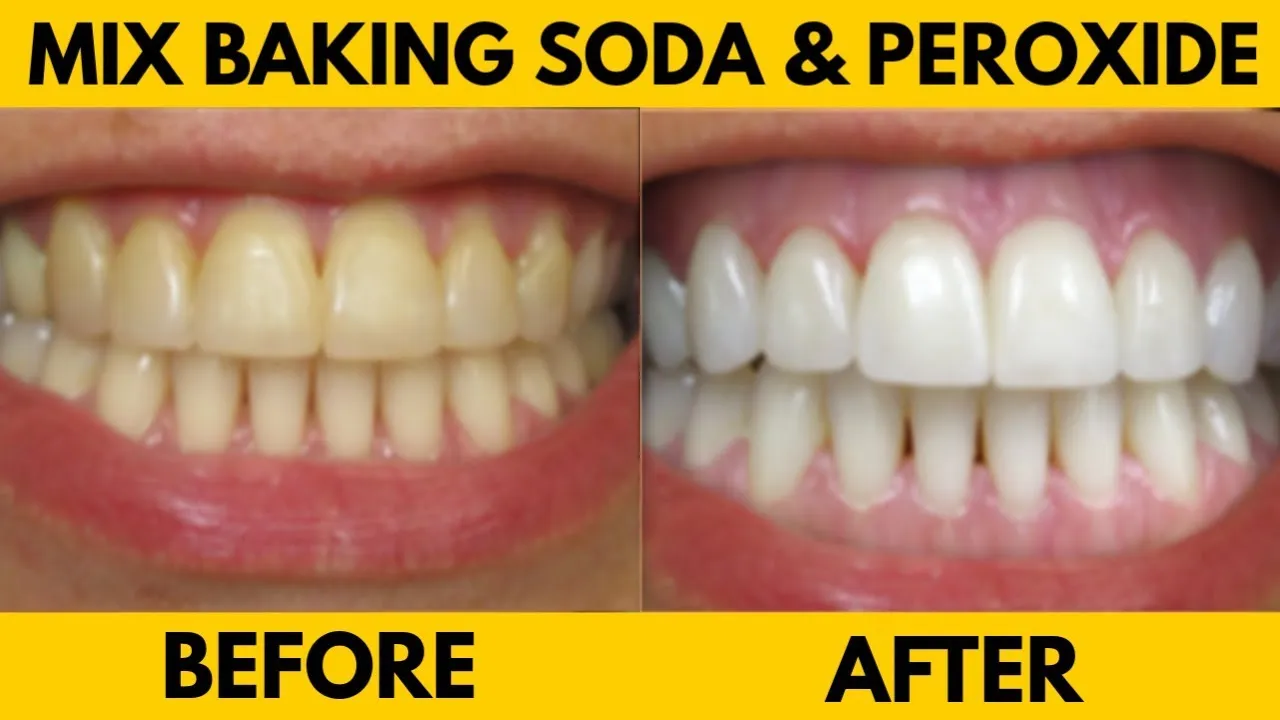
Peroxide Teeth Whitening Before & After Overview
Peroxide teeth whitening has become a popular cosmetic dental procedure, offering a brighter and more confident smile. This treatment utilizes hydrogen peroxide or carbamide peroxide to lighten the shade of teeth. The effectiveness of peroxide teeth whitening can vary based on several factors, including the concentration of the peroxide solution used, the method of application, and the individual’s oral health. This article provides a comprehensive overview of peroxide teeth whitening, examining the science behind it, the expected before and after results, the various methods available, and the essential aftercare tips to maintain your newly whitened smile. The goal is to provide you with the knowledge to make informed decisions about achieving a brighter smile.
The Science Behind Peroxide Teeth Whitening
How Peroxide Works on Your Teeth

Peroxide teeth whitening works through a chemical reaction that occurs when the peroxide molecules penetrate the enamel of your teeth. These molecules break down into smaller components, including oxygen radicals. These oxygen radicals then react with the discolored molecules present in the dentin and enamel, effectively breaking them apart. This process removes stains and discoloration, leading to a lighter appearance of the teeth. The higher the concentration of peroxide used, the faster and more effective the whitening process can be, although this also increases the potential for side effects like tooth sensitivity. The application of heat or light during professional treatments can often accelerate this process.
Understanding the Process of Whitening
The peroxide whitening process involves several key steps. First, a dental professional will typically assess your oral health to determine if you are a suitable candidate for the procedure. They will also take pictures of your teeth to document the baseline shade. In the case of professional whitening, a protective barrier is applied to your gums and soft tissues to prevent irritation. Then, the peroxide solution is applied to your teeth, and in some cases, a special light or heat is used to accelerate the whitening. The process can take anywhere from a few minutes to an hour, depending on the method. For home whitening kits, the process involves using custom-fitted trays filled with peroxide gel, which are worn for a specific duration, typically daily or nightly, for several weeks. This process consistently results in notable changes.
Peroxide Teeth Whitening Before & After Results
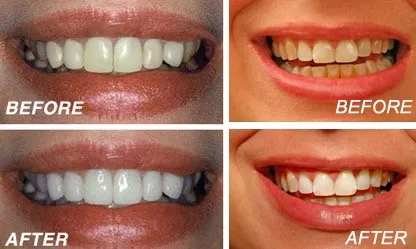
The results of peroxide teeth whitening can be quite dramatic, transforming stained or discolored teeth into a brighter, more appealing smile. The ‘before’ photos often show teeth with stains from coffee, tea, tobacco, or aging, while ‘after’ photos reveal significantly lighter shades, sometimes several shades whiter than the original color. Results vary from person to person based on the original shade of the teeth and the type of staining. While some individuals may achieve near-perfect results, others may see more subtle improvements. The effectiveness also depends on the concentration of the peroxide used and the duration of the treatment. Understanding these potential outcomes helps set realistic expectations.
Factors Influencing Whitening Results

Several factors influence the effectiveness of peroxide teeth whitening. The type and severity of the staining is critical; stains from coffee, tea, and tobacco respond better to whitening than intrinsic stains, such as those caused by medication or genetics. The concentration of peroxide used also plays a major role. Higher concentrations typically lead to faster and more pronounced results but can also increase the risk of side effects. The method of application (professional vs. home kits) also affects outcomes. Professional treatments often yield quicker results. Finally, individual factors such as tooth enamel porosity and the natural shade of the teeth can also affect whitening potential.
The Impact of Tooth Staining
Tooth staining is classified into two main categories: extrinsic and intrinsic. Extrinsic stains affect the enamel surface and are often caused by food, drinks, and tobacco. These types of stains are generally easier to remove with peroxide whitening. Intrinsic stains, on the other hand, occur within the tooth structure itself and can result from factors like aging, medication, or trauma. These stains may be more resistant to whitening and require more aggressive or specialized treatments. Understanding the type of staining is crucial to determining the most effective whitening strategy. Addressing the source of staining, such as reducing consumption of staining foods and drinks, will significantly maintain results.
Home vs Professional Peroxide Whitening
Both home and professional peroxide teeth whitening methods have their own set of advantages and disadvantages. Home whitening kits are more convenient and cost-effective, providing a gradual whitening effect over time. These kits typically contain lower concentrations of peroxide, making them safer for at-home use but also resulting in slower progress. Professional whitening, performed by a dentist, uses higher concentrations of peroxide, leading to faster and more dramatic results. It also involves professional oversight, ensuring safe application and addressing any potential issues. However, professional whitening is more expensive and may require multiple visits. The best choice depends on individual needs, budget, and the desired speed of results.
Home Whitening Kits Explained

Home whitening kits typically include custom-fitted or pre-fabricated trays and a peroxide-based whitening gel. These kits offer a convenient way to whiten teeth in the comfort of your home. The process involves filling the trays with the whitening gel and wearing them for a specific period, as directed by the instructions. The concentration of peroxide in home kits is typically lower than in professional treatments, making them less likely to cause sensitivity but also resulting in slower results. It is important to follow the instructions carefully to avoid any potential side effects and to achieve the best possible results. Regular use will deliver noticeable changes after a certain time period.
Professional Whitening Procedures
Professional peroxide teeth whitening is performed in a dental office by a trained professional. The dentist will assess your teeth and gums to ensure you are a suitable candidate for the procedure. A protective barrier is then applied to your gums to prevent irritation, and a high-concentration peroxide solution is applied to the teeth. In some cases, a special light or laser is used to enhance the whitening effect. The entire procedure typically takes around an hour, and results are often visible immediately. Professional whitening offers faster, more effective results and the assurance of professional supervision.
Peroxide Teeth Whitening Side Effects and Risks
While peroxide teeth whitening is generally considered safe, it is not without potential side effects and risks. The most common side effect is tooth sensitivity, which can occur during or after the treatment. Some people may also experience gum irritation. More serious complications are rare but can include changes in tooth structure if the treatment is not done correctly or if the teeth are already weakened. It’s essential to discuss any concerns with your dentist before starting any whitening treatment and to follow their recommendations to minimize risks. The most common concern is tooth sensitivity, which can often be managed with desensitizing toothpaste or other treatments.
Managing Tooth Sensitivity

Tooth sensitivity is a common side effect of peroxide teeth whitening. Several strategies can help manage this issue. Using a toothpaste specifically designed for sensitive teeth, containing ingredients like potassium nitrate, can help reduce sensitivity. Avoiding extremely hot or cold foods and drinks during the treatment period can also minimize discomfort. Your dentist might recommend using a fluoride treatment to strengthen enamel and reduce sensitivity. In some cases, the dentist might recommend discontinuing the whitening treatment for a period to allow the teeth to recover. Consistent management allows patients to continue whitening without significant discomfort.
Other Potential Risks and Complications
Besides sensitivity, other potential risks associated with peroxide teeth whitening include gum irritation, which can result from the peroxide solution coming into contact with the soft tissues. In rare instances, overuse or misuse of whitening products can lead to changes in tooth structure. It’s also important to note that whitening treatments do not work on dental restorations like fillings, crowns, or veneers. These restorations will not change color, and in some cases, they might become more noticeable after the surrounding teeth are whitened. Consulting a dental professional before starting any whitening procedure can help mitigate these risks.
Aftercare Tips for Maintaining Results
Aftercare plays a vital role in maintaining the results of peroxide teeth whitening. Following a proper oral hygiene routine is crucial. This includes brushing your teeth twice a day with a fluoride toothpaste and flossing daily to remove plaque and food particles. Regular dental check-ups and cleanings are also essential for keeping your teeth healthy and bright. Avoiding or limiting the consumption of staining foods and drinks like coffee, tea, red wine, and dark berries can help prevent new stains from forming. Practicing good oral hygiene prevents stains from recurring and maintains the effectiveness of whitening treatments.
Dietary Adjustments for a Brighter Smile
Dietary choices significantly impact the longevity of your whitened smile. Reducing the consumption of staining foods and drinks, such as coffee, tea, red wine, and dark-colored berries, is critical. If you consume these items, rinsing your mouth with water immediately afterward can help minimize staining. Incorporating teeth-friendly foods into your diet, such as crunchy fruits and vegetables like apples and carrots, can help remove surface stains. Maintaining a balanced diet contributes to overall oral health and supports the long-term benefits of teeth whitening.
Maintaining Your Whitened Smile
To maintain your whitened smile for an extended period, it’s essential to combine good oral hygiene with regular dental check-ups and a conscious effort to avoid or limit the consumption of staining substances. Touch-up treatments may be necessary periodically, particularly if you consume staining foods or drinks regularly. Your dentist can advise you on the best maintenance plan for your specific needs. This might involve using home whitening kits occasionally or undergoing periodic professional whitening sessions. By consistently following these practices, you can enjoy a bright and confident smile for years to come.