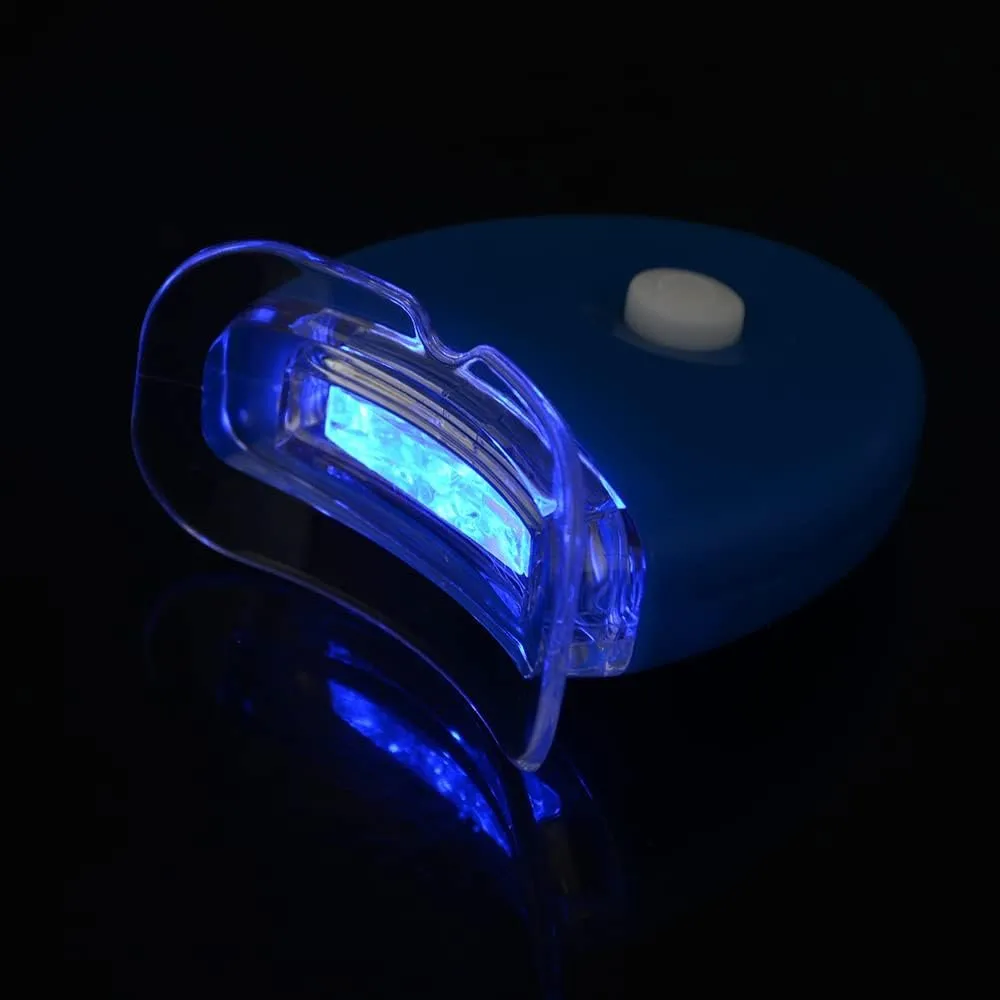
What is LED Teeth Whitening
LED teeth whitening has emerged as a popular and convenient method for achieving a brighter smile. This process typically involves the use of a specialized LED (light-emitting diode) light in conjunction with a bleaching agent, most commonly hydrogen peroxide or carbamide peroxide. The LED light emits a specific wavelength of blue light, which is designed to accelerate the whitening process. The bleaching agent breaks down stains and discoloration on the surface of the teeth, while the LED light helps to enhance this process, potentially leading to faster and more effective results. This method is often available at dental offices, but various at-home kits also incorporate LED technology, making it accessible for users to enhance their smile from the comfort of their own homes. It is important to consult with a dental professional to determine the best approach to teeth whitening.
The Science Behind LED Teeth Whitening
Understanding the science behind LED teeth whitening is crucial to appreciate its effectiveness. The core principle involves a chemical reaction stimulated by light. When the bleaching agent comes into contact with the teeth, it releases oxygen radicals. These radicals break down the stain molecules that cause discoloration, such as those from coffee, tea, and tobacco. The LED light, usually in the blue spectrum, plays a vital role in accelerating this process. The light energy acts as a catalyst, speeding up the chemical reaction, which allows the whitening agents to penetrate the enamel more effectively and oxidize the stain compounds more rapidly. This enhanced reaction can lead to quicker and often more dramatic whitening results compared to using the bleaching agent alone. The intensity and wavelength of the LED light are optimized to interact specifically with the bleaching agent for maximum efficacy, without causing damage to the tooth enamel.
How LED Light Enhances Whitening

LED light enhances the teeth whitening process by boosting the action of the whitening agent. The light helps the bleaching agent to penetrate the enamel surface. The blue light emitted by the LED lamp has the ability to activate the peroxide molecules in the whitening gel. This activation speeds up the chemical reaction, leading to faster breakdown of stain molecules. This also means that the whitening process becomes more efficient, often allowing for shorter treatment times or fewer sessions to achieve desired results. It is a technique that is designed to deliver noticeable improvements in the shade of your teeth. LED light has a significant role in how efficiently the entire whitening experience works.
5 Tips for Effective LED Teeth Whitening
To maximize the effectiveness of LED teeth whitening, it is essential to follow certain best practices. Preparing your teeth and choosing the right light are key elements. By understanding and implementing these steps, you can enhance your whitening results and achieve the brighter smile you desire. Consulting with a dental professional can provide tailored advice, ensuring the process is both effective and safe for your specific needs.
Tip 1 Choose the Right LED Light
Selecting the appropriate LED light is an important first step in your whitening journey. Ensure the light is designed specifically for teeth whitening and has the correct wavelength to activate the whitening agent you intend to use. Consider the light’s power output; higher power can often lead to faster results, but it is crucial to follow the manufacturer’s instructions to avoid potential sensitivity issues. Look for lights that are FDA-approved or meet relevant safety standards to ensure they are safe for use. Additionally, consider the design and ease of use. A comfortable and user-friendly device will make the whitening process more enjoyable and consistent.
Tip 2 Prepare Your Teeth

Before using LED teeth whitening, preparing your teeth correctly can enhance the results. Start by brushing your teeth thoroughly to remove any surface debris and plaque. Floss to eliminate any food particles between your teeth. It is advisable to have a professional dental cleaning before starting the whitening process to remove any stubborn stains or tartar. This will allow the whitening agent to effectively reach the enamel. If you have any existing dental work, such as fillings or crowns, consult your dentist to see if they are suitable for whitening. Ensure your teeth are clean and ready to receive the whitening treatment.
Tip 3 Use the Whitening Gel Correctly
Proper application of the whitening gel is important for achieving the best results with LED teeth whitening. Carefully follow the instructions provided with the whitening kit. Typically, this involves applying a thin layer of the gel to the surface of your teeth, ensuring even coverage. Avoid getting the gel on your gums, as it can cause irritation. Once the gel is applied, position the LED light as instructed, making sure it covers all the teeth you wish to whiten. Adhere strictly to the recommended treatment time, as exceeding it can potentially cause sensitivity. After the treatment, remove any remaining gel and rinse your mouth thoroughly. Consistent and correct application is essential for a bright smile.
Tip 4 Maintain Consistency
Consistency is key to achieving and maintaining a brighter smile with LED teeth whitening. Follow the recommended treatment schedule as closely as possible. Regular and consistent use of the whitening kit, as directed, will yield the best results. Keep track of your sessions and don’t skip treatments unless advised by your dentist. Be patient, as results may not be immediate; it often takes multiple sessions to achieve the desired level of whiteness. Regular maintenance is also important. After completing the initial whitening process, you might need to use the kit for touch-ups. This approach will help you sustain the results. Consistent application is key.
Tip 5 Avoid Staining Foods

To maintain your newly whitened teeth, it is essential to be mindful of foods and drinks that can cause staining. During and immediately after the whitening process, try to avoid consuming items like coffee, tea, red wine, dark-colored sodas, and heavily pigmented foods like berries and curries. Smoking and tobacco use should also be avoided, as they can quickly stain your teeth. If you do consume staining foods or drinks, rinse your mouth with water immediately afterward to minimize their impact. Consider using a straw when drinking dark-colored beverages to reduce contact with your teeth. Proper diet is essential for maintaining your brighter smile. Regular dental check-ups and good oral hygiene practices are also crucial in maintaining your teeth’s radiance.
LED Teeth Whitening Pros and Cons
LED teeth whitening offers many advantages, but it is also important to be aware of any potential downsides. Understanding the pros and cons can help you make an informed decision. Evaluating the benefits and drawbacks will enable you to have a realistic expectation. Consulting with a dental professional is always recommended.
Pros of LED Teeth Whitening
LED teeth whitening offers several benefits. The most prominent is the ability to whiten teeth quickly and effectively. This method can deliver noticeable results within a few sessions, making it a good choice for people looking for immediate improvements. LED whitening is convenient, especially with at-home kits. It is also generally considered safe when used as directed, with minimal side effects. LED whitening can be a cost-effective alternative to more expensive treatments, such as professional in-office procedures. It is easy to incorporate into your daily routine. The treatment is also often less invasive and gentler on the teeth. With a combination of effectiveness, convenience, and affordability, LED teeth whitening has become a favorite choice for anyone seeking a brighter smile.
Cons of LED Teeth Whitening

While LED teeth whitening is effective, there are some potential drawbacks. The most common side effect is temporary tooth sensitivity. Some people may experience increased sensitivity to hot or cold foods and drinks, especially during the treatment. The results are not permanent, and the effects can vary from person to person. The degree of whitening depends on factors like the original shade of your teeth. It may not be effective for all types of stains, such as those caused by certain medications. Over-the-counter kits may not provide the same results as professional treatments. Always consult with a dentist to assess if LED teeth whitening is appropriate for you. It is crucial to manage expectations and be aware of potential challenges.
Maintaining Your White Smile
Maintaining the results of your LED teeth whitening involves a combination of good oral hygiene practices and lifestyle adjustments. Regularly brush and floss your teeth to remove surface stains and plaque. Use a whitening toothpaste to help maintain the brightness of your smile. Avoid or limit the consumption of foods and beverages that can stain your teeth, such as coffee, tea, red wine, and berries. Consider using a straw for staining drinks. Schedule regular dental check-ups and cleanings to maintain your oral health and address any new stains promptly. Touch-up treatments with your LED whitening kit, as recommended by your dentist, can help extend the life of your results. Proper care and maintenance are important for long-lasting results.