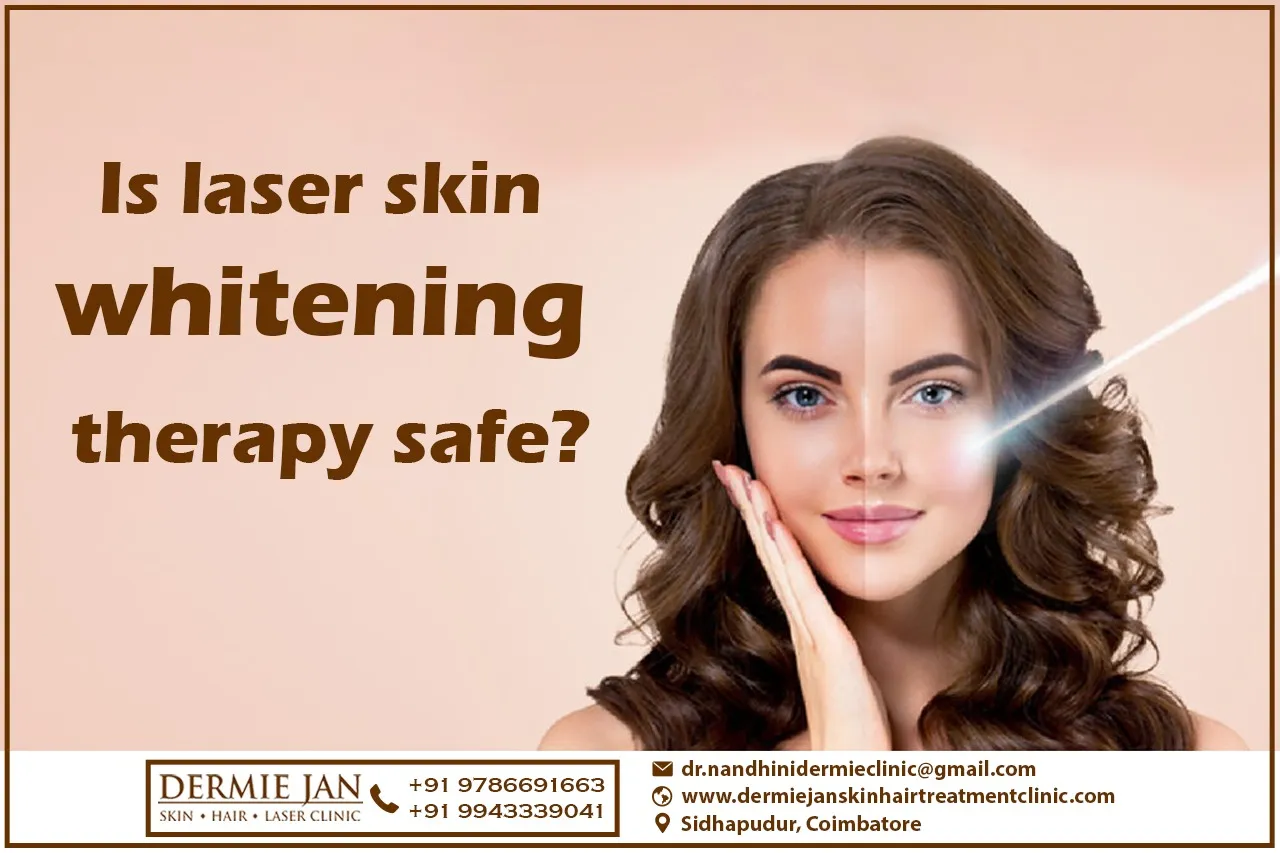
The pursuit of flawless, radiant skin has led to the development of numerous cosmetic treatments. Among these, laser skin whitening has emerged as a popular and effective method for addressing issues like hyperpigmentation, uneven skin tone, and dark spots. This comprehensive guide delves into the intricacies of laser skin whitening, providing valuable insights into the procedure, benefits, potential risks, and what you can expect during your journey towards a brighter complexion. If you’re considering this treatment, understanding the process is crucial for making an informed decision and achieving optimal results.
What is Laser Skin Whitening
Laser skin whitening, also known as laser skin lightening or laser toning, is a cosmetic procedure designed to reduce the appearance of dark spots, uneven skin tone, and hyperpigmentation. This non-invasive treatment utilizes concentrated beams of light to target and break down melanin, the pigment responsible for skin color. By selectively targeting the melanin, laser treatments can lighten the skin and promote a more even complexion. It is important to note that laser skin whitening is not about completely changing your natural skin tone; rather, it’s about correcting specific areas of discoloration and achieving a more uniform appearance.
How Laser Skin Whitening Works
The process of laser skin whitening relies on the principle of selective photothermolysis. This means that the laser targets specific chromophores (pigment-containing cells) in the skin without damaging the surrounding tissue. The laser emits short pulses of light energy that are absorbed by the melanin. This energy heats up the melanin particles, causing them to shatter into smaller fragments. The body’s natural processes then remove these fragments, leading to a gradual lightening of the treated area. The effectiveness of the treatment depends on several factors, including the type of laser used, the patient’s skin type, and the specific skin condition being addressed.
Types of Laser Treatments for Skin Whitening

Several types of lasers are used for skin whitening, each with unique characteristics and applications. The choice of laser depends on the individual’s skin type, the specific skin concerns, and the desired outcome. The most common types of lasers include Pico lasers, Q-Switched lasers, and fractional lasers. Understanding the differences between these lasers is essential for choosing the right treatment for your needs.
Pico Laser
Pico lasers, such as the PicoSure and PicoWay, are known for their ultra-short pulse durations, measured in picoseconds (trillionths of a second). This allows the laser to deliver energy to the skin with minimal heat, reducing the risk of side effects. Pico lasers are highly effective for treating various skin concerns, including pigmentation issues, tattoo removal, and skin rejuvenation. Their precision and speed make them a popular choice for laser skin whitening procedures.
Q-Switched Laser
Q-Switched lasers, such as the Revlite and Spectra, deliver energy in short pulses with high intensity. They are widely used for treating pigmentation, including sunspots, age spots, and melasma. These lasers are also effective for tattoo removal. The Q-Switched laser targets melanin and breaks it down without causing significant damage to the surrounding skin. Multiple sessions are typically required to achieve the desired results.
Fractional Laser

Fractional lasers, such as the Fraxel, deliver laser energy in a fractional pattern, treating only a fraction of the skin’s surface at a time. This approach minimizes downtime and reduces the risk of side effects compared to traditional laser treatments. Fractional lasers are effective for skin resurfacing, treating wrinkles, acne scars, and improving overall skin tone. They can also be used to address pigmentation issues, but may require multiple sessions to achieve optimal results.
Benefits of Laser Skin Whitening
Laser skin whitening offers a range of benefits beyond simply lightening the skin. It can address various skin concerns and improve the overall appearance and health of your skin. The specific benefits will vary depending on the type of laser used and the individual’s skin condition. Here are some of the most common advantages of undergoing laser skin whitening treatments.
Reducing Hyperpigmentation
One of the primary benefits of laser skin whitening is the reduction of hyperpigmentation. This includes sunspots, age spots, freckles, and melasma. By targeting the melanin responsible for these dark spots, laser treatments can effectively lighten and diminish their appearance, leading to a more even skin tone. The number of sessions required will depend on the severity of the hyperpigmentation.
Improving Skin Tone

Laser skin whitening can significantly improve overall skin tone by reducing redness, unevenness, and dullness. The treatments stimulate collagen production, which helps to improve the skin’s texture and create a more radiant complexion. The result is a smoother, more youthful appearance with a natural glow. Consistent treatments can help maintain the improved skin tone over time.
Stimulating Collagen Production
Many laser skin whitening treatments also stimulate collagen production. Collagen is a protein that provides structure and elasticity to the skin. By boosting collagen, laser treatments can help reduce fine lines and wrinkles, improve skin firmness, and promote a more youthful appearance. This added benefit enhances the overall rejuvenation effects of the treatment.
The Laser Skin Whitening Procedure
The laser skin whitening procedure typically involves several steps, from the initial consultation to the post-treatment care. Understanding each step can help you prepare for your treatment and know what to expect. The following is a general overview of the process.
Consultation and Assessment

Before undergoing any laser skin whitening treatment, a thorough consultation with a qualified dermatologist or aesthetician is essential. During this consultation, the practitioner will assess your skin type, medical history, and skin concerns. They will also discuss your expectations and determine the most appropriate laser treatment for your specific needs. This step is critical for ensuring that the treatment is safe and effective.
The Laser Treatment Session
During the laser treatment session, the practitioner will use the selected laser device to target the areas of concern. The laser will emit controlled pulses of light energy onto the skin. The procedure typically takes between 30 minutes to an hour, depending on the size of the treatment area. Most patients experience minimal discomfort during the procedure, often describing it as a slight stinging or snapping sensation. Topical numbing cream may be applied beforehand to minimize any discomfort.
Post-Treatment Care
After the laser treatment, you will receive detailed instructions on how to care for your skin. This typically involves avoiding direct sun exposure, using a broad-spectrum sunscreen with a high SPF, and applying gentle skincare products. It’s crucial to follow these instructions to minimize the risk of side effects and optimize your results. The treated area may appear red or slightly swollen for a few days, but this usually subsides quickly.
Potential Risks and Side Effects

While laser skin whitening is generally considered safe, it’s essential to be aware of the potential risks and side effects. These can vary depending on the type of laser used, the individual’s skin type, and the practitioner’s skill. The most common side effects are temporary and usually resolve within a few days or weeks.
- Redness and Swelling: These are common and usually mild, resolving within a few days.
- Hyperpigmentation or Hypopigmentation: In some cases, the treated area may become darker or lighter than the surrounding skin. This is often temporary but can sometimes be permanent.
- Blistering and Scarring: These are rare but possible, especially if the treatment is not performed correctly or if post-treatment care instructions are not followed.
- Infection: Although uncommon, there is a risk of infection if proper hygiene is not maintained.
- Changes in Skin Texture: Some individuals may experience changes in skin texture, such as roughness or unevenness.
Cost of Laser Skin Whitening
The cost of laser skin whitening varies depending on several factors, including the type of laser used, the size of the treatment area, the number of sessions required, and the geographic location of the clinic. Typically, the cost is calculated per session, and multiple sessions are often needed to achieve the desired results. It’s important to discuss the cost with your practitioner during the consultation and inquire about any potential package deals or financing options.
It’s advisable to research different clinics and compare prices before making a decision. However, prioritize the qualifications and experience of the practitioner over the cost, as this can significantly impact the safety and effectiveness of the treatment. Remember that investing in quality treatment often yields the best outcomes.
Finding a Qualified Practitioner
Choosing a qualified and experienced practitioner is crucial for the safety and effectiveness of your laser skin whitening treatment. Look for a dermatologist or aesthetician who is board-certified and has extensive experience in performing laser procedures. Check their credentials, reviews, and before-and-after photos to assess their expertise. During your consultation, ask questions about their experience, the type of laser they use, and the potential risks and side effects of the treatment. A reputable practitioner will be transparent and provide you with realistic expectations.
Ensure that the clinic uses high-quality equipment and adheres to strict safety protocols. A thorough consultation and a personalized treatment plan are also essential. Trust your instincts and choose a practitioner who makes you feel comfortable and confident in their abilities. By selecting a qualified professional, you can minimize the risks and maximize the chances of achieving your desired results.
Laser skin whitening offers a transformative solution for those seeking to address pigmentation issues and achieve a more radiant complexion. By understanding the procedure, benefits, potential risks, and the importance of choosing a qualified practitioner, you can embark on your journey towards a brighter, more confident you. Remember to consult with a professional to determine if laser skin whitening is the right choice for you and to develop a personalized treatment plan tailored to your specific needs.