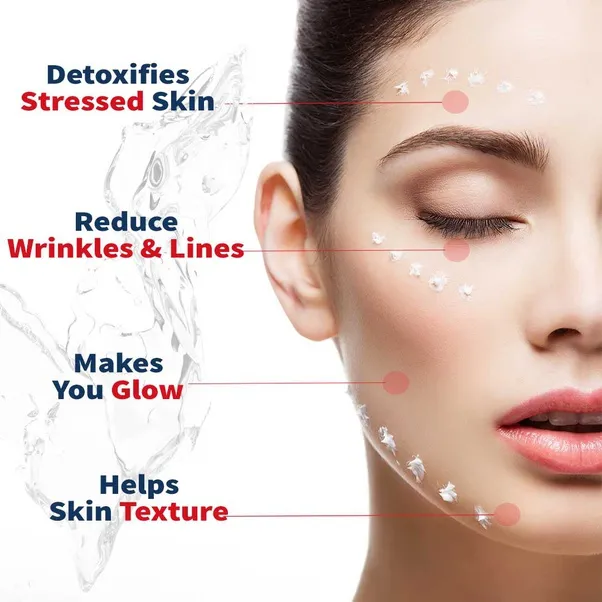
What is Skin Whitening Cream?
Skin whitening creams, also known as skin lightening creams or bleaching creams, are cosmetic products designed to lighten the skin tone or reduce the appearance of dark spots, hyperpigmentation, and uneven skin tone. They work by inhibiting the production of melanin, the pigment responsible for skin color. These creams can be used on various parts of the body, including the face, neck, hands, and other areas affected by discoloration. It is important to understand the ingredients and their effects before using them. Always consult with a dermatologist to ensure the product is suitable for your skin type and concerns. Choosing the right product is crucial for achieving desired results while minimizing potential risks.
The Science Behind Skin Whitening Creams
The effectiveness of skin whitening creams is rooted in their ability to interfere with the production of melanin. Melanin, produced by melanocytes in the skin, is responsible for skin pigmentation. These creams typically target the enzyme tyrosinase, which is crucial for melanin synthesis. By inhibiting tyrosinase, the production of melanin is reduced, leading to a lighter skin tone or a reduction in dark spots. Different ingredients use different mechanisms to achieve this, some by directly inhibiting tyrosinase, others by reducing inflammation, and still others by accelerating skin cell turnover. Understanding these scientific principles is essential for making informed choices about which creams to use and what results to expect. It is also essential to understand that the process is gradual and requires consistent application.
Ingredients to Look For in a Skin Whitening Cream

The best skin whitening creams often contain a combination of active ingredients that work synergistically to lighten the skin. When choosing a cream, it is crucial to look for ingredients known for their efficacy and safety. Some common ingredients include hydroquinone, retinoids, vitamin C, kojic acid, and arbutin. These ingredients vary in their mechanisms of action and potency. Many products on the market contain a mix of these ingredients to provide more comprehensive skin lightening effects. Always read the product labels carefully and consider the concentration of the active ingredients. It’s also advisable to do a patch test before applying any new product to a larger area of your skin to check for allergic reactions or irritation.
Hydroquinone
Hydroquinone is a potent skin-lightening agent that works by inhibiting the enzyme tyrosinase. It is highly effective in reducing dark spots, hyperpigmentation, and melasma. However, hydroquinone can cause side effects such as skin irritation, redness, and, in rare cases, ochronosis (a bluish-black discoloration of the skin). Due to its potential side effects, hydroquinone is often available by prescription only, and its use should be monitored by a dermatologist. If used, it is important to follow the prescribed dosage and duration of use. It is also crucial to avoid prolonged sun exposure while using hydroquinone, as it can make the skin more sensitive to sunlight. Always consult a dermatologist to determine if hydroquinone is suitable for your skin.
Retinoids
Retinoids, derived from vitamin A, are effective in skin whitening by increasing cell turnover, which helps shed pigmented skin cells. They also promote collagen production, improving skin texture and reducing the appearance of fine lines and wrinkles. Retinoids can be found in various strengths, from over-the-counter retinol products to prescription-strength tretinoin. Common side effects include dryness, redness, and peeling, especially when starting. It’s essential to start with a low concentration and gradually increase it as your skin adjusts. Sun protection is crucial when using retinoids, as they can make the skin more sensitive to the sun. Using a broad-spectrum sunscreen with a high SPF is highly recommended.
Vitamin C

Vitamin C, an antioxidant, helps lighten skin by inhibiting melanin production and protecting the skin from free radical damage. It also promotes collagen production, which improves skin firmness and reduces the appearance of wrinkles. Vitamin C is available in various forms, such as L-ascorbic acid, which is the most potent form. It is generally well-tolerated, but some people may experience mild irritation or redness. It is often combined with other ingredients, such as vitamin E and ferulic acid, to enhance its effectiveness. Using a vitamin C serum or cream can help brighten the skin and improve its overall appearance. Vitamin C products should be stored properly, as they can degrade over time when exposed to light and air.
Kojic Acid
Kojic acid is a naturally occurring compound derived from various fungi. It works by inhibiting tyrosinase, the enzyme involved in melanin production. It is commonly used to treat hyperpigmentation, dark spots, and sun damage. Kojic acid is generally considered safe but can cause skin irritation, redness, or contact dermatitis in some individuals. It is often found in concentrations of 1-4%. It is important to do a patch test before using kojic acid, especially if you have sensitive skin. Using kojic acid in combination with other skin-lightening ingredients can enhance its effectiveness. Consistency is key when using kojic acid, and results may take several weeks to appear.
Arbutin
Arbutin, derived from the bearberry plant, is a natural skin-lightening agent that works by inhibiting tyrosinase. It is a safer alternative to hydroquinone, as it is less likely to cause side effects. Arbutin comes in two forms: alpha-arbutin and beta-arbutin. Alpha-arbutin is more stable and effective than beta-arbutin. Arbutin is effective in reducing the appearance of dark spots, hyperpigmentation, and uneven skin tone. It is generally well-tolerated, but some people may experience mild irritation. Arbutin is often combined with other ingredients, such as vitamin C or niacinamide, to enhance its effectiveness. It is essential to be patient, as it may take several weeks or months to see visible results. Applying sunscreen daily is crucial while using arbutin.
Types of Skin Whitening Creams

Skin whitening creams come in various forms, each designed for different purposes and skin types. Understanding the different types of creams available will help you choose the most suitable product for your needs. Creams can range from those for general skin brightening to those specifically targeting dark spots or uneven skin tone. Some creams are designed for day use, while others are formulated for night application, taking advantage of the skin’s natural repair processes. Knowing the differences between the types of creams available can help you create an effective skincare routine.
Day Creams vs Night Creams
Day creams and night creams have different formulations and are designed to work at different times of the day. Day creams often contain ingredients to protect the skin from environmental factors like sun exposure and pollution. They usually include a broad-spectrum sunscreen to prevent further damage and hyperpigmentation. Night creams, on the other hand, are formulated to work while you sleep. They often contain active ingredients that focus on repair and regeneration. Night creams may include ingredients like retinoids, which promote cell turnover, and other compounds designed to address issues like dark spots and uneven skin tone. Using both day and night creams, tailored to their respective purposes, can provide comprehensive skincare benefits. Remember to always apply sunscreen in the morning, even when using a night cream.
Serums and Spot Treatments
Serums and spot treatments are often more concentrated than regular creams and are designed to deliver high doses of active ingredients. Serums typically have a lighter texture and are absorbed quickly. They can contain ingredients like vitamin C, hyaluronic acid, and peptides, which address various skin concerns. Spot treatments are specifically designed to target dark spots and hyperpigmentation. They usually contain higher concentrations of active ingredients such as hydroquinone, kojic acid, or retinoids. When using serums and spot treatments, it’s important to follow the product instructions carefully and apply them before heavier creams. Use these products consistently for the best results. Always apply sunscreen during the day when using these products.
Factors to Consider When Choosing a Skin Whitening Cream

Choosing the right skin whitening cream involves considering several factors, including your skin type, skin tone, and specific skin concerns. It is essential to choose products that are suitable for your skin to avoid irritation and maximize effectiveness. Understanding your skin’s needs will help you select creams with appropriate ingredients and formulations. Consulting a dermatologist is always recommended to get personalized advice. Doing so will allow you to make more informed choices and achieve your desired skin-lightening results safely.
Skin Type
Your skin type (oily, dry, combination, or sensitive) plays a crucial role in determining which skin whitening cream is best for you. For oily skin, opt for lightweight, oil-free creams or serums that won’t clog pores. For dry skin, choose rich, hydrating creams with ingredients like hyaluronic acid and ceramides. Combination skin needs a balanced approach, using products that address both oily and dry areas. Sensitive skin requires creams with gentle, non-irritating ingredients, avoiding products with harsh chemicals or fragrances. Always do a patch test before applying a new product to a larger area of your skin to check for allergic reactions or irritation. Consider consulting a dermatologist to determine your skin type and get personalized recommendations.
Skin Tone
Your skin tone influences the choice of a skin whitening cream because darker skin tones may be more prone to hyperpigmentation. People with darker skin tones may benefit from creams that address specific issues like uneven skin tone and dark spots. The goal is to achieve a more even skin tone, not necessarily to drastically lighten the skin. Creams with ingredients like kojic acid, arbutin, and vitamin C can be effective. People with lighter skin tones can use creams that address sunspots, age spots, and overall skin brightening. Regardless of your skin tone, always use sunscreen daily to protect your skin and prevent further damage.
Specific Skin Concerns

Identify your specific skin concerns, such as dark spots, melasma, acne scars, or uneven skin tone, to choose the right skin whitening cream. Different ingredients target different issues. For dark spots, look for creams with hydroquinone, kojic acid, or arbutin. For melasma, a combination of ingredients and professional treatments may be needed. For acne scars, consider creams with retinoids or vitamin C. If you have sensitive skin, choose products with gentle ingredients and avoid harsh chemicals. If you are unsure, consult a dermatologist to determine the best approach for your specific concerns. The goal is to select products with ingredients that effectively address your skin concerns while minimizing potential risks.
How to Use Skin Whitening Cream Effectively
To get the best results from skin whitening creams, it’s essential to use them correctly and consistently. This involves proper application techniques, consistent use, and protecting your skin from the sun. Following these guidelines will help you achieve your desired results while minimizing potential risks. Always read and follow the product instructions carefully. If you have any concerns, consult with a dermatologist or skincare professional.
Application Tips
Cleanse your face thoroughly before applying any skin whitening cream. Apply a small amount of the cream to the affected area and gently massage it into the skin. Avoid applying cream too close to the eyes, lips, and nostrils. Use your fingertips to gently pat or massage the product into the skin. If using multiple products, apply them in the correct order: cleanse, tone (if using), serum, treatment, and moisturizer. Allow each product to absorb before applying the next one. Be patient and consistent, as results may take several weeks or months to appear. Avoid over-applying the product, as this will not speed up the process and may cause skin irritation. Follow the product instructions carefully and do not exceed the recommended amount.
Sun Protection

Sun protection is crucial when using skin whitening creams, as they can make your skin more sensitive to the sun. Apply a broad-spectrum sunscreen with an SPF of 30 or higher every morning, even on cloudy days. Reapply sunscreen every two hours, or more often if you are swimming or sweating. Sun exposure can worsen hyperpigmentation and negate the effects of skin whitening creams. Wearing protective clothing, such as hats and long sleeves, can also help protect your skin from the sun. Avoid direct sun exposure during peak hours (10 AM to 4 PM). Proper sun protection is essential for maintaining skin health and achieving the best results from your skin whitening cream.
Potential Side Effects and Precautions
While skin whitening creams can be effective, they may also cause side effects and require precautions. It’s important to be aware of the potential risks and take steps to minimize them. Always read the product instructions and be mindful of the ingredients. Consulting a dermatologist before use is always the best approach to ensure that the product is suitable for your skin.
Common Side Effects
Common side effects of skin whitening creams include skin irritation, redness, dryness, and peeling. These side effects are more likely to occur with creams containing strong active ingredients like hydroquinone or retinoids. Some people may experience burning or stinging sensations, especially when first starting to use the product. In rare cases, prolonged use of certain creams can lead to more serious side effects, such as ochronosis (a bluish-black discoloration of the skin). If you experience any severe side effects, discontinue use and consult a dermatologist immediately. Always perform a patch test before applying a new product to a larger area of the skin to check for allergic reactions or irritation.
When to Consult a Dermatologist
Consult a dermatologist if you experience persistent skin irritation, redness, or any unusual skin reactions after using a skin whitening cream. A dermatologist can assess your skin condition, determine the cause of the side effects, and provide appropriate treatment. They can also advise you on the best products for your skin type and concerns. If your skin condition worsens or does not improve after using a skin whitening cream, it is essential to seek professional help. A dermatologist may recommend alternative treatments or adjust your skincare routine. Regular check-ups can help ensure that you are using the products safely and effectively. Your dermatologist can also address any concerns and provide you with personalized skincare advice. Early intervention can prevent potential long-term complications.
The Best Skin Whitening Creams on the Market
The market offers many skin whitening creams, each with its unique formulation and benefits. Finding the best cream involves researching and comparing products based on ingredients, user reviews, and brand reputation. Some creams are designed for general skin brightening, while others specifically target dark spots, uneven skin tone, or other concerns. The following are some highly-rated brands known for their effective skin-lightening products. Before trying any new product, it’s essential to read reviews and consult a dermatologist to find the best match for your skin type.
Top-Rated Brands
Several brands are renowned for their effective skin whitening creams. These brands often invest in research and development to create products that deliver visible results. Many of the best-rated brands incorporate a variety of ingredients to ensure effectiveness and safety. Popular and trusted brands include those that have a good track record and positive customer feedback. When choosing a cream, consider factors such as your skin type, skin tone, and specific skin concerns. Some brands are known for using natural ingredients, while others focus on high-potency formulas. Research the brand’s reputation and read user reviews to help you make an informed decision.
User Reviews and Ratings
User reviews and ratings can provide valuable insights into the effectiveness and safety of skin whitening creams. Reading reviews can help you understand how other users have experienced the product, their results, and any potential side effects. Websites like Amazon, Sephora, and independent beauty blogs often have customer reviews. Pay attention to reviews from users with similar skin types and concerns. Consider the overall rating of the product and the consistency of the positive or negative feedback. Keep in mind that individual experiences may vary, and what works for one person may not work for another. Use reviews as a guide, but also consider consulting a dermatologist for personalized recommendations.
Conclusion
Choosing the right skin whitening cream requires careful consideration of your skin type, skin tone, and specific concerns. Look for products with effective ingredients like hydroquinone, retinoids, vitamin C, kojic acid, and arbutin. Always remember to prioritize sun protection and apply sunscreen daily. Before using any new cream, it is best to consult with a dermatologist. By following these guidelines and being patient, you can achieve a brighter, more even complexion and healthy skin.