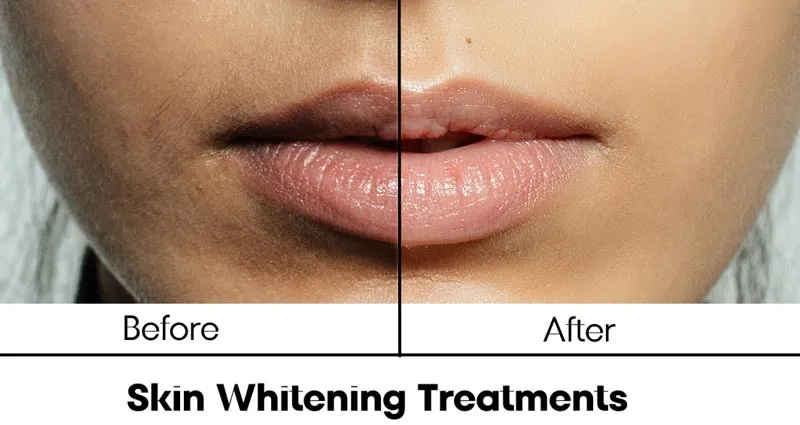
What is Skin Whitening
Skin whitening, also known as skin lightening or bleaching, is a cosmetic procedure aimed at reducing the melanin pigment in the skin to give it a lighter appearance. This can be achieved through various methods, including the use of creams, lotions, chemical peels, and laser treatments. The desire for skin whitening stems from a variety of cultural and social factors, and it’s a practice that has been prevalent in many parts of the world. However, it’s essential to approach this with caution, as many methods pose significant health risks if not done correctly or if using unsafe substances. Understanding the process and motivations behind skin whitening is the first step towards making informed decisions about your skincare.
Why People Desire Skin Whitening
The motivations behind skin whitening are complex and deeply rooted in societal ideals of beauty and cultural preferences. In many cultures, lighter skin is often associated with higher social status, beauty, and desirability. This perception can be reinforced through media portrayals, advertising, and peer influence. Furthermore, some individuals seek skin whitening to address hyperpigmentation issues such as dark spots or uneven skin tone caused by sun damage, acne scars, or other skin conditions. Regardless of the reason, it’s crucial to consider the potential health implications and explore safer alternatives before resorting to risky practices.
The Potential Risks of Using Clorox on Skin

Using household cleaning products like Clorox on the skin is extremely dangerous and can lead to severe health complications. Clorox contains sodium hypochlorite, a harsh chemical designed for cleaning and disinfecting surfaces, not for human skin. Its chemical composition is far too strong and can cause a range of adverse effects, from immediate skin damage to long-term health problems. The practice of using Clorox for skin whitening is not only ineffective but also extremely risky, and should be avoided at all costs.
Skin Damage and Irritation
The most immediate consequence of applying Clorox to the skin is severe skin damage. Sodium hypochlorite is corrosive and can strip away the skin’s natural protective oils, leading to dryness, cracking, and inflammation. This can manifest as redness, swelling, blistering, and intense pain. Prolonged or repeated exposure can cause chemical burns, leaving permanent scars and discoloration. The skin’s barrier function is compromised, making it more susceptible to infections and further damage from environmental factors. The severity of the damage depends on the concentration of Clorox, the duration of exposure, and individual skin sensitivity, but the potential for harm is always significant.
Allergic Reactions
Even if immediate skin damage isn’t apparent, the use of Clorox can trigger allergic reactions in some individuals. Symptoms can range from mild irritation and itching to severe reactions, such as hives, swelling, and difficulty breathing. The chemicals in Clorox can sensitize the skin, making it more prone to developing allergic responses over time. In severe cases, an allergic reaction can lead to anaphylaxis, a life-threatening condition that requires immediate medical attention. Therefore, the risk of allergic reactions further underscores the dangers of using Clorox on the skin.
Long-Term Health Concerns

The long-term health effects of using Clorox on the skin are not fully understood, but there are significant concerns. The skin absorbs chemicals, and prolonged exposure to sodium hypochlorite could potentially lead to systemic health problems. It may disrupt the skin’s natural microbiome, which plays a crucial role in overall health. There are also potential links to increased risk of skin cancer and other dermatological conditions. Given the lack of research on the long-term safety of this practice, it is safest to avoid using Clorox on the skin to prevent any potential serious health risks in the future. Seek professional medical and dermatological advice for any skin concerns.
Top 5 Tips for Safer Skin Whitening
If you are considering skin whitening, it’s crucial to prioritize your safety and health. There are safer and more effective ways to achieve a lighter skin tone or address hyperpigmentation issues. Always consult with a dermatologist before starting any skin whitening regimen. Here are five tips to help you make informed and safe choices
Consult a Dermatologist
The first and most important step is to consult with a qualified dermatologist. A dermatologist can assess your skin type, identify any underlying conditions, and recommend appropriate treatments. They can provide personalized advice based on your specific needs and goals, helping you avoid harmful practices. A dermatologist can also inform you of potential risks and benefits of different skin whitening options, helping you make informed choices. They may also recommend treatments like topical creams or procedures that are safe and effective.
Explore Safer Alternatives

Instead of resorting to dangerous substances like Clorox, explore safer skin whitening alternatives. There are many over-the-counter and prescription products that can help lighten the skin without causing harm. These products often contain ingredients like kojic acid, vitamin C, azelaic acid, or arbutin, which can reduce melanin production and promote a more even skin tone. When choosing products, research their ingredients and read reviews from other users to make an informed decision. It is important to ensure any products are approved by the appropriate health authorities, such as the FDA.
Maintain a Consistent Skincare Routine
A consistent skincare routine is essential for maintaining healthy and radiant skin. This should include regular cleansing, moisturizing, and exfoliating. Exfoliation helps remove dead skin cells and promotes cell turnover, which can contribute to a brighter complexion. Choose gentle, non-irritating products that are suitable for your skin type. Be patient and consistent with your routine, as it may take several weeks or months to see noticeable results. A good skincare routine not only helps with skin whitening but also improves the overall health and appearance of your skin.
Protect Your Skin from the Sun
Sun protection is crucial for preventing further skin darkening and maintaining the results of any skin whitening treatments. The sun’s UV rays stimulate melanin production, which can counteract the effects of skin lightening products or procedures. Always use a broad-spectrum sunscreen with an SPF of 30 or higher every day, even on cloudy days. Reapply sunscreen every two hours, especially if you are spending time outdoors. Additionally, wear protective clothing, such as hats and long sleeves, and seek shade during peak sun hours. Consistent sun protection will help maintain a lighter, more even skin tone and protect your skin from damage.
Monitor Your Skin Closely

Closely monitor your skin for any adverse reactions when using skin whitening products or undergoing treatments. Look out for signs of irritation, such as redness, itching, burning, or blistering. If you experience any of these symptoms, stop using the product or treatment immediately and consult a dermatologist. It’s also important to be patient and realistic about the results. Skin whitening is a gradual process, and it may take time to see visible changes. Avoid overusing products or treatments, as this can increase the risk of side effects.
Safer Skin Whitening Alternatives
There are several safer alternatives to dangerous practices like using Clorox on the skin. These options range from over-the-counter products to professional treatments, all designed to lighten the skin or reduce hyperpigmentation without causing harm. The best approach is to consult with a dermatologist, who can recommend the most suitable option for your skin type and concerns. Here are some common and safe alternatives.
Topical Creams and Serums
Many topical creams and serums contain ingredients that can help lighten the skin. Common ingredients include kojic acid, vitamin C, arbutin, niacinamide, and azelaic acid. These ingredients work by inhibiting melanin production or promoting cell turnover, resulting in a brighter complexion. When choosing topical products, look for those that are formulated for your skin type and are free of harsh chemicals. Always follow the instructions carefully and perform a patch test before applying a new product to your entire face. Ensure that the product is of high quality and purchased from a reputable source.
Chemical Peels

Chemical peels involve applying a chemical solution to the skin to remove the outer layers, revealing a smoother, brighter complexion. There are different types of chemical peels, ranging from mild to deep, depending on the strength of the solution. Superficial peels can be done at home, but deeper peels should only be performed by a trained professional. Chemical peels can help reduce the appearance of dark spots, uneven skin tone, and other imperfections. However, they can also cause redness, irritation, and sun sensitivity, so it’s essential to follow post-peel care instructions carefully. Consult a dermatologist to determine the right type of peel for your skin.
Laser Treatments
Laser treatments use focused light energy to target melanin and reduce pigmentation. There are several types of laser treatments available, including IPL (Intense Pulsed Light) and fractional lasers. These treatments can be effective for addressing dark spots, sun damage, and uneven skin tone. Laser treatments are typically performed by a dermatologist or a trained aesthetician. While they can be effective, laser treatments can also have side effects, such as redness, swelling, and changes in skin pigmentation. It’s important to discuss the potential risks and benefits with your dermatologist before undergoing a laser treatment and follow all post-treatment care instructions.
Conclusion [Skin Whitening]
While the desire for lighter skin is understandable, it’s crucial to prioritize your health and safety above all else. Using Clorox or other harsh chemicals on your skin is extremely dangerous and can lead to severe damage and long-term health problems. Instead, focus on safe and effective alternatives, such as consulting a dermatologist, using reputable topical products, and protecting your skin from the sun. Remember that healthy, radiant skin is achievable without resorting to risky practices. Always make informed choices, prioritize your well-being, and seek professional guidance to achieve your skincare goals safely.