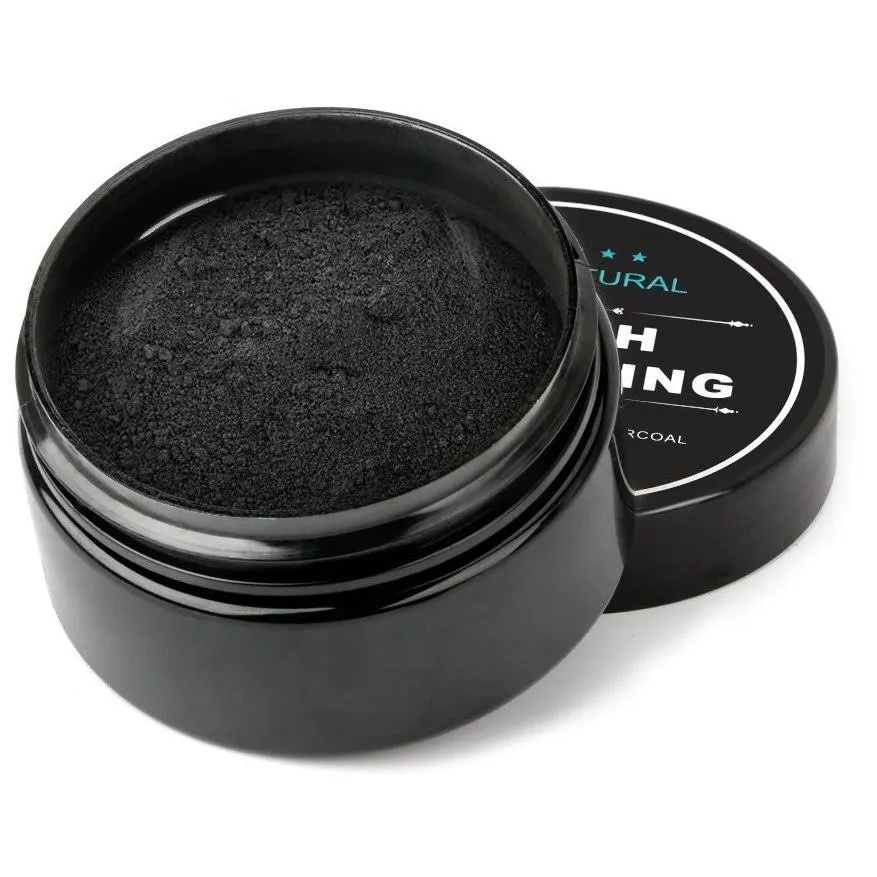
What Are Charcoal Pills for Teeth Whitening?
Charcoal pills have gained popularity in recent years as a natural method for teeth whitening. These pills typically contain activated charcoal, a substance derived from various sources like coconut shells, wood, or other materials that have been heated to a high temperature and then activated with steam or chemicals. This activation process creates tiny pores in the charcoal, increasing its surface area and making it highly absorbent. Charcoal pills are promoted as an easy, at-home way to brighten your smile, with the promise of removing stains and discoloration caused by coffee, tea, wine, and other common culprits. But how effective are they, and what should you know before trying this method?
How Charcoal Pills Work
The principle behind charcoal pills for teeth whitening is based on the absorbent properties of activated charcoal. The porous nature of charcoal allows it to attract and bind to various substances, including stains, bacteria, and other impurities on the surface of the teeth. When used for teeth whitening, the activated charcoal is supposed to help lift these stains, revealing a brighter, whiter smile. However, it’s important to note that charcoal pills primarily work on surface stains and may not be effective for deeper stains or intrinsic discoloration, which can be caused by factors like aging, genetics, or certain medications.
Ingredients and Types of Charcoal Pills

Most charcoal pills contain activated charcoal as their primary ingredient. The source of the charcoal can vary, with coconut shell charcoal being a common option due to its sustainability and purity. Other ingredients might include binding agents to hold the pill together and, in some cases, additional ingredients like mint or other flavorings to improve the taste. The quality of charcoal pills can vary widely, so it’s essential to choose products from reputable brands that provide information about the source and purity of their charcoal. Always check the label for any potential allergens or ingredients you may want to avoid. Some products also include additional ingredients like calcium bentonite clay or other minerals, which are believed to enhance the cleaning effect.
Step-by-Step Guide to Using Charcoal Pills
Using charcoal pills for teeth whitening typically involves a few simple steps. The first step is preparing your teeth, followed by taking the charcoal pills and finishing with post-treatment care. This process is usually done at home, making it a convenient option for those looking to brighten their smiles without visiting a dentist. However, it’s important to follow the instructions carefully and be aware of potential side effects. It’s always a good idea to consult your dentist before starting any new teeth whitening method.
Preparing Your Teeth
Before using charcoal pills, it’s essential to prepare your teeth properly. Start by brushing your teeth with a regular toothpaste to remove any surface debris and plaque. Floss to remove any food particles that may be stuck between your teeth. Rinsing your mouth with water can also help to remove any remaining toothpaste or loose particles. This ensures the charcoal pills work on a clean surface, maximizing their potential whitening effect.
Taking the Charcoal Pills

Follow the instructions on the charcoal pill packaging, which usually involves dissolving or crushing the pills and creating a paste. Some users mix the charcoal powder with water, while others directly apply the crushed pills to a wet toothbrush. Gently brush your teeth with the charcoal mixture for 2-3 minutes, ensuring you cover all surfaces. Avoid applying too much pressure to prevent damaging your enamel or gums. Rinse thoroughly with water until all the charcoal particles are removed. Spit and rinse repeatedly until the water runs clear. Repeat this process a few times per week, or as directed by the product instructions, but avoid excessive use to minimize potential risks.
Post-Treatment Care
After using charcoal pills, it’s important to take care of your teeth. Rinse your mouth thoroughly with water to remove any remaining charcoal residue. You can also brush your teeth with regular toothpaste to ensure all traces of charcoal are gone. Avoid consuming foods or drinks that can stain your teeth, such as coffee, tea, and red wine, for at least an hour after treatment. This helps to prevent new stains from forming immediately. Regular dental hygiene practices, including brushing twice a day and flossing, are crucial for maintaining the whitening effect and overall oral health.
Expected Results and Timeline
The results of using charcoal pills for teeth whitening can vary depending on individual factors like the severity of stains, the frequency of use, and the specific product used. Some users may notice a slight improvement in the brightness of their teeth within a few weeks of regular use. However, the results are often subtle, and the whitening effect is generally less dramatic compared to professional treatments. It’s important to have realistic expectations and understand that charcoal pills primarily address surface stains. Maintaining good oral hygiene and avoiding stain-causing foods and drinks can help maximize and prolong the whitening results.
Potential Risks and Side Effects

While charcoal pills are generally considered safe when used as directed, there are some potential risks and side effects to be aware of. Overuse can lead to enamel erosion, making your teeth more sensitive and vulnerable to decay. Charcoal can also be abrasive, and excessive brushing can damage the enamel. Some people may experience temporary teeth sensitivity or gum irritation. It is possible that the use of charcoal pills can worsen the existing stains or contribute to new ones if not used correctly. Always consult with your dentist and discontinue use if you experience any adverse effects. Always choose a soft-bristled toothbrush to reduce the risk of abrasiveness.
Effectiveness of Charcoal Pills
The effectiveness of charcoal pills for teeth whitening is a topic of debate. While some users report positive results, scientific evidence supporting their efficacy is limited. Charcoal pills may help remove surface stains, but they are unlikely to significantly change the underlying color of your teeth. Compared to professional whitening treatments or at-home whitening kits that contain peroxide-based bleaching agents, charcoal pills typically provide less dramatic results. The effectiveness can vary depending on the quality of the charcoal, the specific formulation, and the user’s oral hygiene habits. It’s essential to manage your expectations and consider charcoal pills as a supplementary method rather than a primary solution for significant teeth discoloration. It is important to speak to your dentist to determine if charcoal pills are right for you.
Comparing Charcoal Pills to Other Whitening Methods
When considering teeth whitening options, it’s helpful to compare charcoal pills to other available methods. Each method has its own advantages and disadvantages, including effectiveness, cost, convenience, and potential risks. Understanding these differences can help you choose the best whitening method for your needs and preferences. Consider the various options to gain a broader perspective on the market, and ultimately what will make the most of your smile.
Professional Whitening Treatments

Professional teeth whitening treatments, performed by a dentist, are generally the most effective option for significant teeth whitening. These treatments typically involve the use of high-concentration peroxide-based bleaching agents applied to the teeth under controlled conditions. Professional whitening can provide dramatic results in a short amount of time. However, professional treatments can be more expensive and may cause temporary tooth sensitivity. It is also important to note that professional treatments are often more long lasting when compared to at-home options.
At-Home Whitening Kits
At-home teeth whitening kits often contain peroxide-based gels or strips that you apply to your teeth. These kits are generally less expensive than professional treatments and can provide noticeable whitening results. However, at-home kits may not be as effective as professional treatments, and some people may experience tooth sensitivity or gum irritation. It is important to follow the instructions carefully when using at-home whitening kits to minimize risks and maximize effectiveness. Make sure to consult with your dentist before using any at-home whitening kits to be sure that it is a suitable option for you.
Maintaining Your White Smile
Regardless of the teeth whitening method you choose, maintaining your white smile requires consistent oral hygiene practices and lifestyle adjustments. Regular brushing and flossing are essential to remove plaque and prevent stains from forming. Avoid or limit the consumption of foods and drinks known to stain teeth, such as coffee, tea, red wine, and berries. Regular dental check-ups and professional cleanings can also help to remove surface stains and maintain a bright smile. Maintaining a healthy diet and avoiding tobacco products further contribute to long-lasting results.
Tips for Long-Lasting Results

To maximize the longevity of your teeth whitening results, incorporate these tips into your routine. First, practice excellent oral hygiene. Brush your teeth twice a day for two minutes each time, and floss daily to remove plaque and food particles. Consider using a whitening toothpaste or mouthwash as part of your routine. Be mindful of your diet. Limit your intake of staining foods and drinks, such as coffee, tea, and red wine. If you consume these items, rinse your mouth with water immediately afterward. Consider using a straw when drinking staining beverages to minimize contact with your teeth. Schedule regular dental check-ups and professional cleanings to maintain your smile and address any issues promptly. By following these tips, you can enjoy a bright, confident smile for a long time.