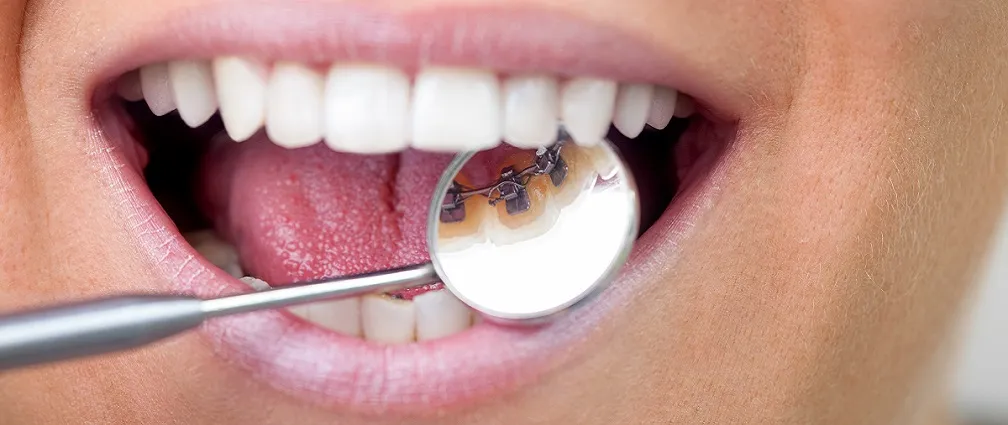
Whitening Mouthwash and Braces Overview
The quest for a dazzling smile is a common one, and when undergoing orthodontic treatment with braces, the desire to maintain or enhance teeth whiteness can be particularly strong. Whitening mouthwash is often seen as a convenient way to brighten teeth, but its use with braces requires careful consideration. This article explores the nuances of using whitening mouthwash with braces, providing essential information to help you make informed decisions about your oral care routine. Understanding the potential benefits and drawbacks is crucial for anyone seeking both a straight and bright smile while undergoing orthodontic treatment. The intersection of these two treatments warrants a thorough examination to ensure the best possible outcomes for your dental health.
How Whitening Mouthwash Works
Whitening mouthwashes typically contain active ingredients designed to remove stains and brighten teeth. These agents work through different mechanisms. The most common active ingredients are hydrogen peroxide or other peroxide-based compounds, which oxidize stains, breaking them down and making teeth appear whiter. Other formulations use abrasive particles or chemical agents to scrub away surface stains. The effectiveness of these products can vary depending on the concentration of the active ingredients and the type of stains present. Regular use can lead to noticeable improvements in tooth color over time, but the degree of whitening can vary depending on individual factors and the type of mouthwash used. It is important to follow the product instructions carefully to avoid potential side effects or complications.
Whitening Agents in Mouthwash

The primary whitening agents found in mouthwash play a crucial role in its effectiveness. Hydrogen peroxide is a common ingredient, available in varying concentrations, with higher concentrations generally offering more significant whitening effects but potentially increasing sensitivity. Other whitening agents might include carbamide peroxide, which breaks down into hydrogen peroxide, or other chemical compounds designed to lift stains. Some mouthwashes also contain ingredients like sodium hexametaphosphate, which helps prevent new stains from forming by binding to the tooth surface. The specific concentration and combination of these agents determine the product’s overall efficacy and its suitability for different users. Understanding the active ingredients helps in assessing the product’s potential benefits and risks.
Impact on Tooth Enamel
The use of whitening mouthwash can have various effects on tooth enamel. Overuse or the use of high-concentration products can lead to enamel erosion, making teeth more susceptible to sensitivity and decay. The whitening agents, such as hydrogen peroxide, can temporarily dehydrate the enamel, increasing its porosity and making it more vulnerable. However, with proper use, and adherence to the manufacturer’s instructions, the impact on enamel can be minimized. It’s essential to consider the enamel’s health before starting the use of whitening mouthwash and to consult with a dentist for personalized advice. They can assess the enamel’s condition and recommend a safe and effective whitening strategy. Proper use and monitoring can mitigate potential harm and maintain the integrity of the enamel.
The Role of Braces
Braces are designed to correct misaligned teeth and improve overall oral health. They work by applying continuous pressure to gradually shift teeth into their proper positions. While braces are highly effective, they also create unique challenges for maintaining oral hygiene. The brackets and wires create numerous surfaces where food particles and plaque can accumulate, increasing the risk of tooth decay, gum disease, and staining. This makes effective cleaning even more critical during orthodontic treatment. Therefore, the choice of oral hygiene products, including mouthwash, becomes paramount to ensure optimal outcomes. A consistent and diligent cleaning routine is essential for maintaining the health of the teeth and gums throughout the treatment period.
How Braces Affect Oral Hygiene

Braces significantly complicate oral hygiene. The brackets and wires create multiple areas where food particles can become trapped, which are difficult to reach with a regular toothbrush. This makes it easier for plaque to accumulate, leading to tooth decay and gum disease if not removed effectively. Proper brushing techniques, including using special orthodontic toothbrushes and interdental brushes, are crucial for cleaning around brackets and wires. Flossing becomes more challenging, requiring the use of floss threaders or specialized floss to navigate around the braces. Additionally, the pressure from braces can sometimes make gums more sensitive and prone to inflammation, further highlighting the need for meticulous oral care during orthodontic treatment.
Areas Hard to Clean with Braces
With braces, certain areas of the teeth are particularly difficult to clean effectively. The spaces between the brackets and the tooth surface are prime spots for food and plaque accumulation. The area under the wires and around the brackets is also hard to reach with a standard toothbrush. The back teeth, especially the molars, often get less attention during brushing, and the presence of braces can make it even harder to clean these areas thoroughly. Failure to clean these hard-to-reach areas can lead to the development of white spot lesions, which are early signs of enamel demineralization, and an increased risk of cavities. Using interdental brushes, floss threaders, and a thorough brushing technique is essential to address these challenges.
Top 5 Facts About Whitening Mouthwash and Braces
Fact 1 Potential for Uneven Whitening
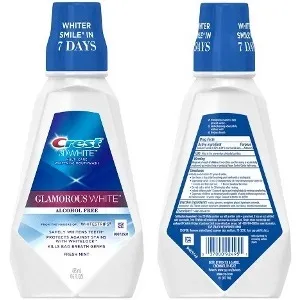
One of the primary concerns when using whitening mouthwash with braces is the potential for uneven whitening. The brackets on the teeth act as a barrier, preventing the mouthwash from reaching the entire surface of the teeth. This can result in the areas of the teeth covered by the brackets remaining darker than the exposed areas. After the braces are removed, this can leave an inconsistent appearance, where the teeth appear to have varying shades of whiteness. This issue highlights the importance of discussing whitening options with an orthodontist before starting the use of any whitening products to ensure the best aesthetic outcome.
Fact 2 Risk of Increased Sensitivity
Whitening mouthwashes, particularly those with higher concentrations of hydrogen peroxide, can increase tooth sensitivity. This is because the whitening agents can temporarily dehydrate the enamel and irritate the nerves within the teeth. For individuals with braces, this sensitivity can be amplified due to the pressure and adjustments made during orthodontic treatment. The combination of whitening agents and the stress on the teeth can lead to increased discomfort, making it difficult to eat or drink cold or hot items. Therefore, individuals with braces should monitor their teeth for sensitivity and consult their dentist if it becomes a problem.
Fact 3 Interactions with Braces Materials
There’s a potential for whitening mouthwash to interact with the materials used in braces, although this is less common. Some components, such as the adhesives used to attach brackets, might be affected by certain chemicals in the mouthwash. The interaction can cause discoloration or a weakening of the adhesive bond, potentially leading to bracket failure. Although most modern braces materials are designed to be resistant to these interactions, it is essential to be aware of the possibility. Consult with your orthodontist to determine the best products to use to avoid any adverse effects on your braces’ performance.
Fact 4 Importance of Regular Dental Check-ups

Regular dental check-ups and professional cleanings become even more critical when undergoing orthodontic treatment and using whitening products. Your dentist can monitor the health of your teeth and gums, identify any early signs of decay or gum disease, and provide professional cleaning to remove plaque and tartar buildup that can’t be reached by brushing alone. They can also assess the effectiveness of your oral hygiene routine and make recommendations for improvement. During these check-ups, the dentist can evaluate the impact of whitening products on your teeth and adjust your oral care plan accordingly. Regular dental visits are key to a successful outcome during braces and whitening treatment.
Fact 5 Alternatives to Whitening Mouthwash
Given the potential drawbacks of whitening mouthwash with braces, exploring alternative whitening methods is important. Your orthodontist or dentist can recommend safer and more effective options. These can include professional teeth whitening treatments performed in-office, or the use of custom-fitted whitening trays with a dentist-prescribed whitening gel. These methods often provide more consistent results and reduce the risk of uneven whitening. Other options include using whitening toothpastes, which have milder whitening agents and are less likely to cause sensitivity or interact with braces materials. Always consult your dental professional before starting any new teeth whitening procedure.
Alternatives to Whitening Mouthwash
Professional Teeth Whitening Options

Professional teeth whitening offers more control and predictability in the whitening process, especially when using braces. Your dentist can provide in-office whitening treatments, using high-concentration bleaching agents under careful supervision. This approach can provide significant whitening results in a single session, and the dentist can also protect your gums and monitor the teeth for any signs of sensitivity. Another option is to use custom-fitted whitening trays, which are designed to fit your teeth perfectly. The dentist will prescribe a whitening gel, and you can use the trays at home following professional guidelines. These methods provide a more consistent and controlled approach, reducing the risks associated with over-the-counter products.
Other At-Home Whitening Products
Apart from professional treatments, there are other at-home whitening products available. Whitening toothpastes contain mild abrasives or whitening agents to remove surface stains. They are less likely to cause significant sensitivity and are generally safe to use, even with braces, as long as they are used according to the manufacturer’s instructions. Whitening strips are another option, but they should be used with caution. They are placed directly on the teeth and contain a peroxide-based whitening agent. However, with braces, they can lead to uneven whitening, and the strips might not fit properly due to the brackets and wires. Always consult your dentist for advice on the safest and most effective at-home whitening products for your individual needs.
Conclusion
Using whitening mouthwash with braces is a complex issue that requires careful consideration. While it can seem like a convenient way to brighten your smile, the potential for uneven whitening, increased sensitivity, and interaction with braces materials makes it less than ideal. By understanding the facts and exploring alternative options such as professional whitening treatments or dentist-approved at-home products, you can achieve a brighter smile while maintaining your orthodontic treatment’s integrity. Always consult your orthodontist or dentist for personalized advice to ensure a safe and effective approach to both straightening and whitening your teeth.