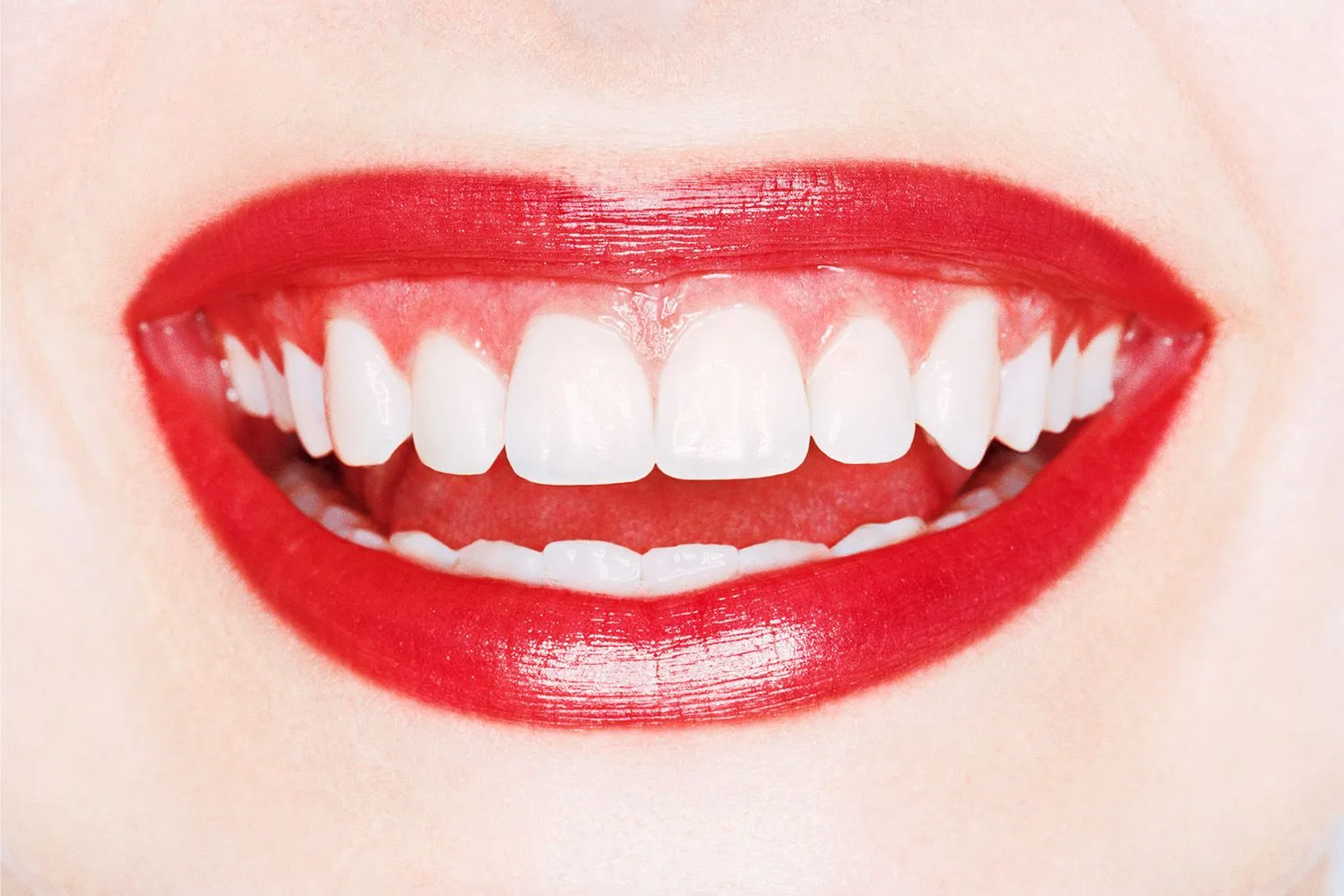
Understanding Teeth Whitening
Teeth whitening has become a popular cosmetic procedure, with many individuals seeking brighter, more radiant smiles. But what exactly does the process entail, and how do the various products available actually work? Understanding the science behind teeth whitening is the first step in choosing the right product for your needs. Stains on teeth can be either extrinsic, meaning they are on the surface, or intrinsic, which means they are within the tooth structure. Whitening products work by using bleaching agents, such as hydrogen peroxide or carbamide peroxide, to penetrate the enamel and break down the stain molecules. The effectiveness of a product depends on the concentration of the bleaching agent, the duration of application, and the individual’s tooth structure and the type of staining present. Proper selection involves knowing the different types of products and understanding how each interacts with the teeth to achieve the desired results. This understanding is crucial for making informed decisions and avoiding potential harm to your teeth and gums.
Types of Teeth Whitening Products
The market offers a vast array of teeth whitening products, each designed to cater to different needs and preferences. From over-the-counter options available at your local pharmacy to professional treatments provided by dentists, understanding the differences between them is crucial. The products vary significantly in their ingredients, application methods, and the results they deliver. They also differ in their potency, ease of use, and cost. Choosing the right type involves assessing your current oral health, the severity of the staining, and your budget. It is always a good idea to consult your dentist before starting any whitening treatment to determine the best approach for your individual situation and to address any underlying issues that might affect the outcome. The following are the common types of teeth whitening products available.
Whitening Toothpastes

Whitening toothpastes are among the most accessible and affordable options for teeth whitening. These toothpastes typically contain mild abrasives, such as hydrated silica, which help to remove surface stains caused by food and drinks like coffee, tea, and wine. Some whitening toothpastes also include chemical agents that provide a mild bleaching effect. It is important to note that while whitening toothpastes can improve the brightness of your teeth, they usually do not change the natural color of your teeth. The results are typically more subtle compared to professional treatments or stronger over-the-counter products. Regular use of whitening toothpaste can help to maintain a brighter smile and prevent new stains from forming. However, they are less effective on intrinsic stains and can sometimes increase tooth sensitivity in some individuals. It is essential to use them as part of a comprehensive oral hygiene routine, including regular brushing, flossing, and dental check-ups.
Over-the-Counter Whitening Strips
Whitening strips are a popular and convenient way to whiten teeth at home. They are thin, flexible strips coated with a whitening gel that typically contains hydrogen peroxide. When applied to the teeth, the gel adheres to the surface, allowing the bleaching agent to penetrate the enamel and lighten the teeth. Whitening strips are relatively easy to use and usually offer noticeable results within a few weeks of consistent use. The effectiveness can vary depending on the concentration of the peroxide and the duration of the treatment. It’s essential to follow the instructions carefully to avoid any potential side effects, such as gum irritation or increased tooth sensitivity. Different brands offer varying levels of strength and treatment durations, so it’s a good idea to research and compare the options. They are a good option for mild to moderate stains. However, they may not be as effective for those with severe discoloration. Maintaining your results requires following a good oral hygiene routine and avoiding foods and drinks that can stain your teeth.
At-Home Whitening Kits
At-home whitening kits provide a more comprehensive approach to teeth whitening compared to whitening strips or toothpastes. These kits usually include custom-fit trays that you fill with a whitening gel, typically containing a higher concentration of bleaching agent than what’s found in strips. The trays are designed to fit snugly over your teeth, ensuring even contact of the gel and maximizing its effectiveness. The duration of use varies depending on the specific kit and the degree of whitening desired. Results are often more significant and can be seen in a shorter time frame. Many at-home kits also include desensitizing toothpaste or gels to help manage any potential sensitivity. Before using an at-home whitening kit, it’s recommended to consult your dentist. They can assess your teeth and gums to ensure you are a suitable candidate and provide guidance. Proper use and adherence to the instructions are crucial to achieve desired results and avoid side effects.
Professional Teeth Whitening Options

Professional teeth whitening offers the most effective and controlled method for achieving dramatic results. Performed by a dentist, these treatments use stronger bleaching agents and specialized techniques to lighten the teeth significantly. There are two primary types of professional teeth whitening methods: in-office whitening and take-home whitening trays provided by your dentist. Both options provide a higher level of efficacy and safety compared to over-the-counter products. Having a professional perform teeth whitening also allows for a comprehensive evaluation of your oral health, ensuring that the treatment is appropriate and safe for your specific needs. Your dentist can also address any underlying issues, such as cavities or gum disease, before starting the whitening process. The choice between in-office and take-home trays will depend on your preferences, budget, and desired level of convenience.
In-Office Whitening
In-office teeth whitening, also known as chair-side bleaching, is the fastest way to achieve a brighter smile. During this procedure, your dentist will apply a high-concentration bleaching agent to your teeth, usually containing a significant amount of hydrogen peroxide. To enhance the whitening process, they may use a special light or laser to activate the bleaching agent, accelerating the breakdown of stain molecules. The entire procedure typically takes about one to two hours, and you can see noticeable results immediately. Your dentist will protect your gums and soft tissues throughout the procedure to minimize potential side effects like sensitivity. This method is ideal for individuals seeking immediate and dramatic results. While in-office whitening is more expensive than other options, the convenience and significant improvement in tooth color make it a popular choice. The effects can last for several months to years, depending on your oral hygiene and dietary habits. Regular touch-up treatments may be recommended to maintain your desired level of brightness.
Take-Home Whitening Trays
Take-home whitening trays from your dentist offer a balance between professional care and the convenience of at-home treatment. The process begins with your dentist taking impressions of your teeth to create custom-fitted trays. These trays are designed to fit your teeth precisely, ensuring even coverage of the whitening gel and minimizing irritation to the gums. Your dentist will provide you with a prescription-strength whitening gel, typically containing a higher concentration of peroxide than over-the-counter products. You will be instructed to wear the trays for a specific amount of time each day or night, depending on the product and your dentist’s recommendations. The whitening process usually takes one to two weeks, with noticeable results appearing gradually. The custom fit of the trays ensures that the bleaching agent is applied effectively, and the guidance from your dentist helps to minimize potential side effects and maximize results. This is a great option for those seeking professional results with flexibility.
Factors to Consider When Choosing

Choosing the right teeth whitening product involves considering several factors to ensure you achieve the best results safely and effectively. Your current dental health, sensitivity levels, budget, and desired outcomes should all influence your decision. Consulting with your dentist is the most important step as they can provide personalized recommendations based on your individual needs. They will assess your teeth and gums, identify any potential issues, and guide you towards the most appropriate option. Taking the time to evaluate these factors carefully will help you make an informed decision and avoid potential complications or disappointment.
Your Dental Health
The health of your teeth and gums is a critical factor in determining which whitening product is suitable for you. Individuals with cavities, gum disease, or other dental issues should address these problems before undergoing teeth whitening. The bleaching agents can potentially irritate or worsen these conditions. If you have sensitive teeth, you may want to opt for a product with a lower concentration of peroxide or use a desensitizing toothpaste before and during the whitening process. Your dentist can assess your overall oral health and recommend the safest and most effective treatment for your situation. They can also provide guidance on how to maintain your oral health during and after the whitening treatment. The success of your whitening efforts and the longevity of the results depend significantly on the underlying health of your teeth and gums. Healthy teeth and gums are also more receptive to whitening treatments and less prone to adverse effects.
Sensitivity and Side Effects
Teeth whitening can sometimes cause temporary tooth sensitivity and gum irritation. These side effects are typically mild and resolve shortly after the treatment is completed. The level of sensitivity varies depending on the concentration of the bleaching agent, the duration of application, and the individual’s tooth sensitivity. Products with higher concentrations of hydrogen peroxide are more likely to cause sensitivity. To manage sensitivity, you can use a toothpaste formulated for sensitive teeth, which contains ingredients like potassium nitrate. You can also take breaks from the whitening treatment to allow your teeth to recover. In-office whitening procedures often include measures to protect the gums and minimize sensitivity. Always follow the product instructions carefully, and consult your dentist if you experience any persistent or severe discomfort. They can suggest strategies to alleviate sensitivity and ensure your safety throughout the process.
Cost and Budget

The cost of teeth whitening varies significantly depending on the type of product and the treatment method. Over-the-counter products, such as whitening toothpastes and strips, are the most affordable options, typically costing under $50. At-home whitening kits are generally more expensive, ranging from $100 to $400, depending on the brand and the features of the kit. Professional teeth whitening procedures, performed by a dentist, are the most expensive, with in-office whitening ranging from $500 to $1,000 or more. Take-home whitening trays from your dentist are usually less expensive than in-office treatments. When considering the cost, it’s important to think about the long-term value and the results you expect to achieve. Professional treatments offer the most dramatic results and include the expertise of a dental professional. However, over-the-counter options can be a good starting point if you are on a budget. Comparing prices and understanding the benefits and limitations of each option will help you choose the best teeth whitening solution.
Ingredients to Look For
Understanding the key ingredients in teeth whitening products is essential for making an informed choice. The active ingredients determine how effectively the product whitens your teeth and how safe it is for your oral health. The most common and effective ingredients are hydrogen peroxide and carbamide peroxide, both of which are bleaching agents. Other ingredients can enhance the whitening process or help to protect your teeth and gums. Being aware of these ingredients and their effects can help you choose a product that aligns with your needs and expectations. It is also crucial to consider any potential allergens or sensitivities you may have to certain ingredients.
Hydrogen Peroxide
Hydrogen peroxide is one of the most common and effective bleaching agents used in teeth whitening products. It breaks down into water and oxygen, and the oxygen molecules penetrate the enamel to break up stain molecules. The concentration of hydrogen peroxide varies depending on the product, with higher concentrations used in professional treatments and lower concentrations in over-the-counter options. The effectiveness of hydrogen peroxide depends on its concentration, the application time, and the type of stains present. Higher concentrations provide faster and more significant results but can also increase the risk of tooth sensitivity and gum irritation. Professional in-office whitening often uses concentrations up to 40% or higher. Over-the-counter products typically use concentrations between 3% and 10%. It is important to follow the product instructions carefully and consult your dentist for guidance. They can help you choose the appropriate concentration for your specific needs and dental health.
Carbamide Peroxide

Carbamide peroxide is another common bleaching agent used in teeth whitening products. It breaks down into hydrogen peroxide and urea. The urea helps to moisturize the teeth, which can reduce sensitivity. Carbamide peroxide is often used in at-home whitening kits and take-home trays provided by dentists. It has a slower release of the bleaching agent, which makes it less likely to cause sensitivity compared to hydrogen peroxide. However, it needs to be used for a longer period to achieve the desired results. The concentration of carbamide peroxide also varies depending on the product, with higher concentrations providing faster results. Whitening products containing carbamide peroxide are available in different strengths. Your dentist can advise you on the most appropriate concentration for your individual needs. They can also monitor your progress and adjust the treatment plan if necessary. Carbamide peroxide is a safe and effective way to whiten your teeth under professional guidance.
Other Key Ingredients
Besides the main bleaching agents, several other ingredients can be found in teeth whitening products, each playing a different role. Some ingredients enhance the whitening process, while others help to protect your teeth and gums. For example, desensitizing agents, such as potassium nitrate, can help reduce tooth sensitivity. Fluoride is often included to strengthen the enamel and protect against cavities. Abrasives are commonly found in whitening toothpastes to remove surface stains. The choice of product depends on your specific needs and concerns. It is always wise to review the ingredient list before using a product, especially if you have known allergies or sensitivities. You should consult your dentist for recommendations on products. This is the best way to safely and effectively whiten your teeth while promoting overall oral health.
Tips for Maintaining a Bright Smile
Maintaining a bright, white smile requires more than just using teeth whitening products. Establishing good oral hygiene habits and making certain lifestyle choices are essential for preserving your results and preventing future staining. This involves a combination of regular brushing, flossing, and dental check-ups. It also includes being mindful of your diet and avoiding habits. Taking care of your teeth daily and paying attention to what you eat and drink can help to prolong the benefits of your teeth whitening efforts. Your dentist can also provide personalized advice and recommendations based on your individual needs. By following these tips and maintaining a consistent oral care routine, you can enjoy a bright, healthy smile for years to come.
Oral Hygiene Routine

A consistent oral hygiene routine is fundamental to maintaining a bright smile and overall oral health. You should brush your teeth at least twice a day for two minutes each time, using a fluoride toothpaste. Brushing helps remove plaque, bacteria, and surface stains, which can cause discoloration. Flossing daily is equally important. It removes food particles and plaque from between your teeth and along the gumline, areas that brushing alone cannot reach. Using an antibacterial mouthwash can also help to reduce bacteria and freshen your breath. Regular dental check-ups and professional cleanings are crucial. They allow your dentist to remove any stubborn stains and plaque build-up, and they help to identify any potential issues early on. Following a consistent oral hygiene routine protects your teeth and helps prolong the effects of your whitening treatment. These habits will keep your smile bright and healthy for longer.
Dietary Considerations
Your diet significantly impacts the color of your teeth. Certain foods and drinks are more likely to stain your teeth than others. To maintain a bright smile, it’s important to be mindful of your dietary choices. Coffee, tea, red wine, and dark-colored sodas are notorious for causing stains. Try to limit your consumption of these beverages or drink them through a straw to minimize contact with your teeth. Foods such as berries, soy sauce, and tomato-based sauces also contain pigments that can stain your teeth. After consuming these foods, it is a good idea to rinse your mouth with water or brush your teeth. Including crunchy fruits and vegetables, such as apples and carrots, in your diet can help to remove surface stains. Eating a balanced diet is vital not only for your oral health but also for your overall well-being. Staying hydrated by drinking plenty of water also helps to flush out food particles and prevent staining.
Regular Dental Check-ups
Regular dental check-ups and professional cleanings are essential for maintaining a bright, healthy smile. During these visits, your dentist will examine your teeth and gums for any signs of decay, gum disease, or other issues. They will also remove plaque and tartar build-up, which can cause discoloration and increase the risk of dental problems. Professional cleanings can also remove surface stains that brushing alone cannot eliminate, helping to keep your teeth bright and clean. Your dentist can provide personalized advice on oral hygiene and offer recommendations for maintaining your smile. Regular check-ups allow for early detection and treatment of any potential issues, preventing them from worsening and potentially affecting your smile. Schedule your dental check-ups every six months to ensure you receive the best possible care and keep your smile radiant.